

Katura Britt is a 24-year-old with an infectious smile and a bright future ahead of her. The graduate student who is studying integrative health and wellness at the University of Maryland’s Baltimore campus has had to display resilience and maturity beyond her years.
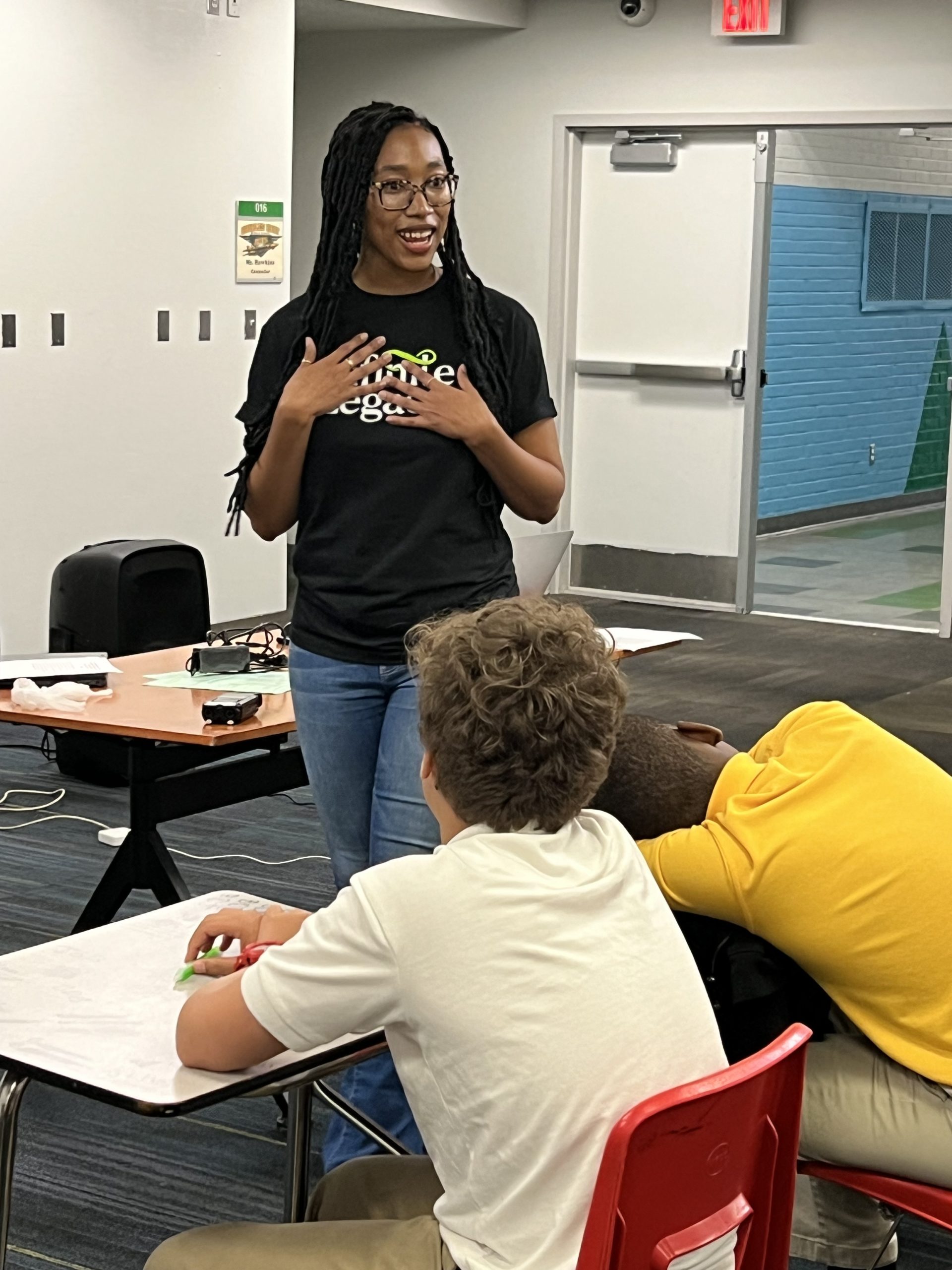
Photo credit: Danielle from Infinite Legacy
Not all liver disease results from years of excess alcohol use. Liver disease crept into Katura’s life when she was just a baby. Britt’s childhood memories include trekking to doctor offices and hospitals countless times.
“Just about two weeks after being born, I started showing signs of liver failure, like jaundice and other symptoms,” Britt said. “Pretty much ever since those two weeks, I was thrown onto a completely different path. So were my parents [Ned Britt and Sharon Fries-Britt].”
After multiple misdiagnoses in 1999, Katura was finally diagnosed with biliary atresia. The rare liver disease occurs in infants.
“The disorder affects tubes in the liver called bile ducts. If not treated with surgery, it can be fatal,” according to Stanford Medicine Children’s Health.” Bile is a fluid made by the liver. Normally the bile ducts take bile to the small intestine. Bile helps with digestion and also carries waste products. When a child has biliary atresia, the bile ducts in the liver are blocked. Bile becomes backed up in the liver. This damages the liver.”
Katura said that her first surgery, a kasai procedure, was performed when she was four months old.
“This surgery connects the bile drainage from the liver directly to the intestinal tract. It goes around (bypasses) the blocked bile ducts. This surgery can allow a child to grow and be in fairly good health for a few years,” per information provided by Stanford Medicine Children’s Health.
Her mother, Sharon Fries-Britt added that Katura’s diagnosis of having biliary atresia required her to have a kasai procedure that unfortunately did not work.
“Thus, by six months [old], her condition was life threatening, and we were informed that without a [liver] transplant, she would have a shortened life,” she said.
Since the liver is the only organ that can regenerate itself, a living donor transplant is possible.
Fries-Britt added, “As an interested donor, the decision that I had to make was to go through the stages of review to see if I qualified. This process took a while and required a number of tests. After being cleared as eligible, I then had to make the decision to move forward and I was delighted to have this option.”
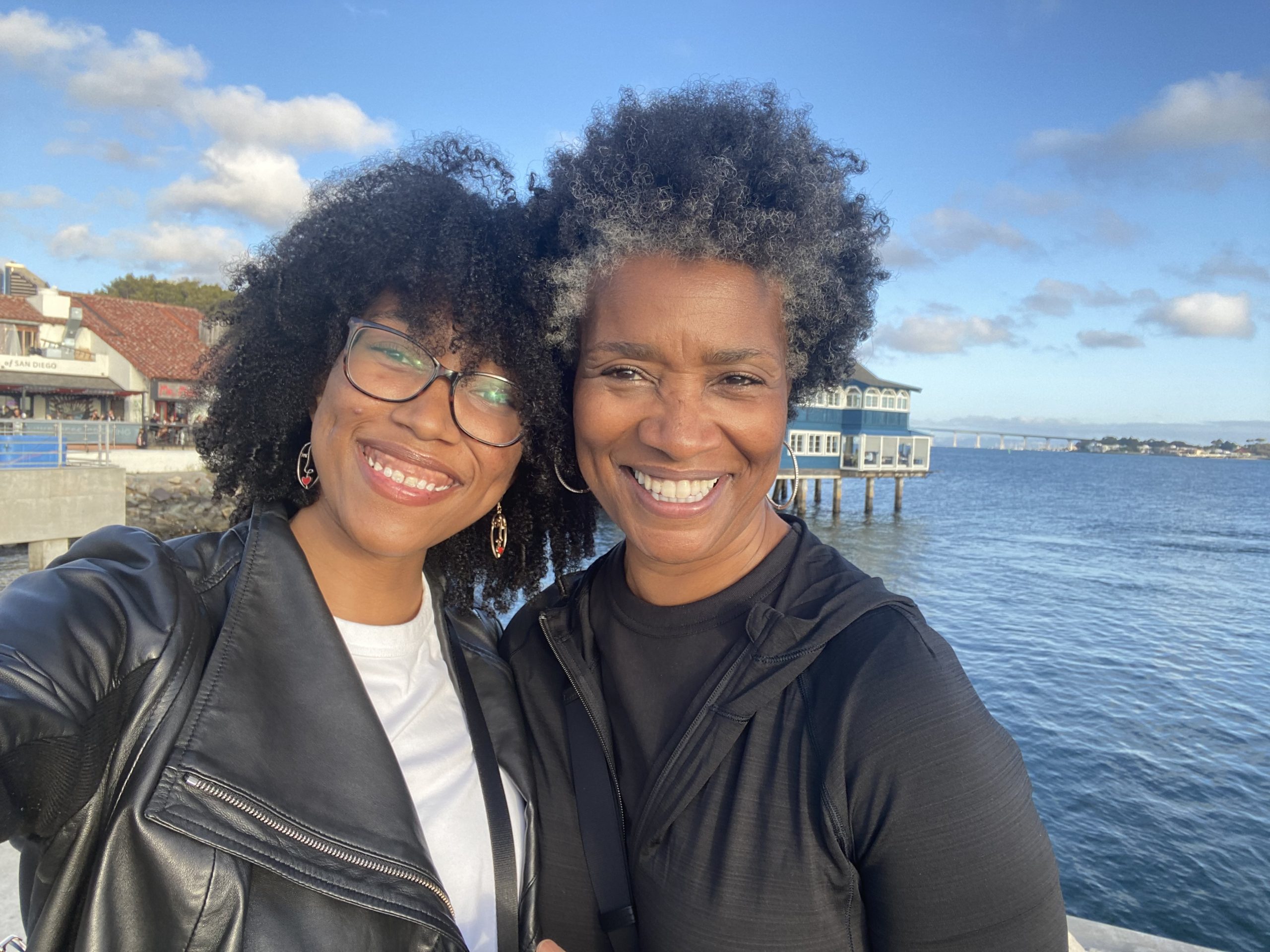
Photo credit: Katura Britt
Katura stated that she received a liver transplant at 13 months old. Since she had a living, related organ donor, it significantly reduced organ transplant rejection, although Katura does take anti-rejection medication daily.
Today, Katura deals with having an enlarged spleen and low platelets in her blood that requires her to be cautious about injuries because of clotting issues.
The liver transplant recipient said that she felt isolated while growing up. “I kept it (the liver transplant) secret from my friends pretty much up until sophomore year of high school, when I started being seen by my gastroenterologist at the time,” Katura said.
When her school year had to be extended at the age of 16 due to medical treatment, her close circle of friends wondered what was going on.
Today, Katura bravely raises awareness about organ, eye and tissue donation as an ambassador for Infinite Legacy, a nonprofit organization that connects organ, eye and tissue donors and recipients in Maryland and the metro D.C. area. She also was a proud member of a task force that Infinite Legacy was a part of, along with National Minority Organ Tissue Transplant Education Program (MOTTEP). MOTTEP was established by Dr. Clive O. Callender, a Professor of Surgery at Howard University College of Medicine. He is also a transplant surgeon.
Minorities need more support to have transplant opportunities.
“African Americans make up the largest group of minorities in need of an organ transplant. In 2021, non-Hispanic Blacks made up 12.1 percent of the national population,” according to the Office of Minority Health.
Katura’s parents were able to put their daughter on a successful path, despite the hurdles of getting Katura much-needed help.
“I am very grateful for all the expertise of the medical staff and all levels of professionals who interacted with us throughout this journey,” Fries-Britt said.
Please visit https://www.donatelifemaryland.org/ to learn more about registering to become an organ, eye and tissue donor.