
Every eight minutes, another person in the United States is added to the transplant waiting list.
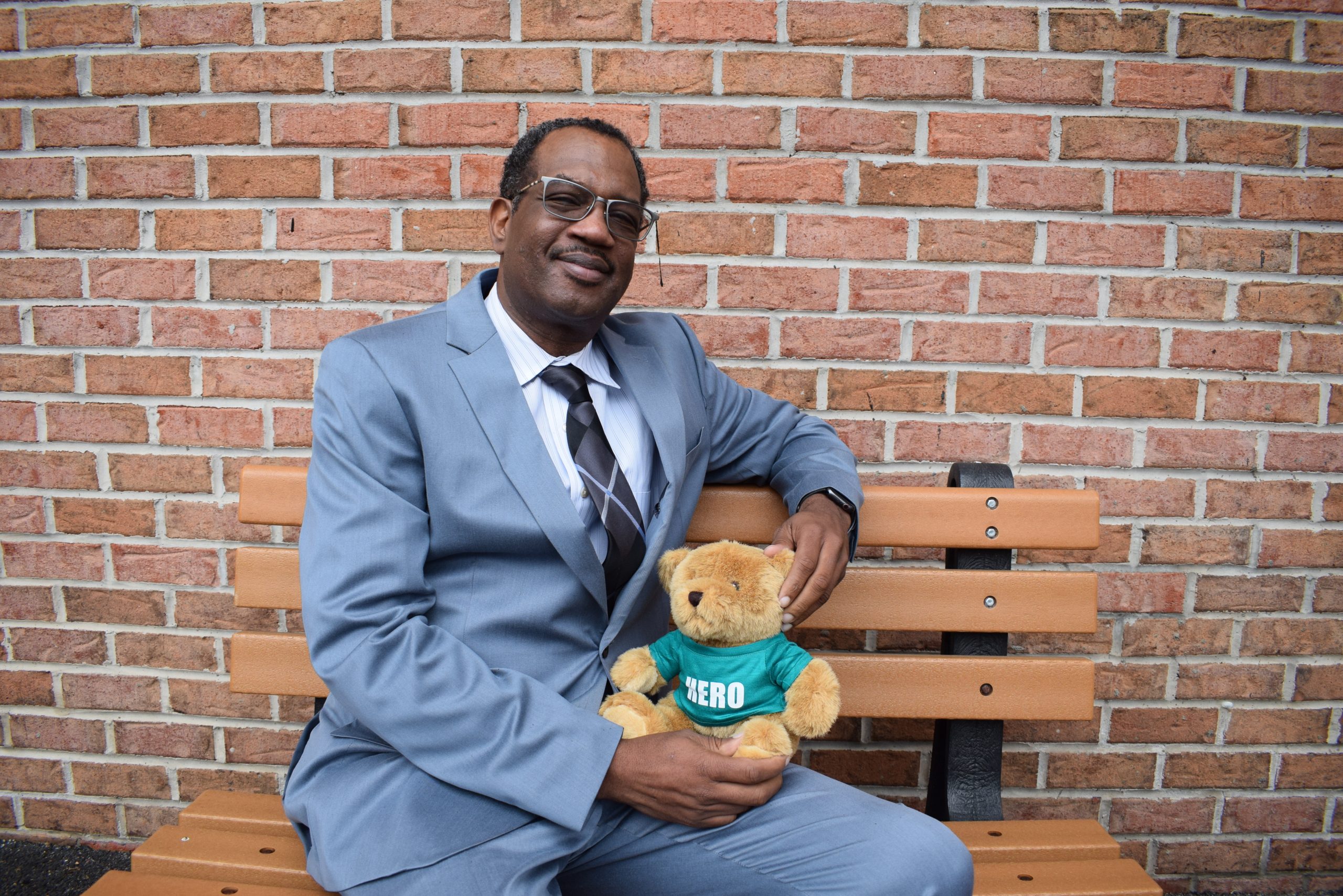
An ongoing need to shorten the transplant wait and save lives of individuals with end-stage organ failure, is an ongoing need. Kenneth Boyd, Vice President and Chief Business Development Officer for Infinite Legacy, answered the call to become interested in the transplantation field in 1993. Infinite Legacy, a nonprofit organ procurement organization, serves individuals in Maryland, Northern Virginia and Washington, DC. Boyd’s journey began in another capacity.
“I was working at a hospital. My background was EMS [emergency medical services as an emergency medical technician] before I came here [Infinite Legacy], and through interaction with the organ donor teams, I ended up pursuing a career in organ procurement.”
While working as support staff at a hospital, he was afforded his first opportunity to gain awareness about the life-changing work performed by organ procurement teams in the early ’90s.
“It was the height of [gun] violence, and the drug epidemic in the [Washington] DC metropolitan area,” Boyd explained.
He stated that he had firsthand opportunities to witness families who were dealing with acute losses. However, they were given the opportunity to muster something positive despite painful memories— organ and tissue donation.

Photo credit: Photo courtesy of Infinite Legacy
Today, Boyd finds himself overseeing Infinite Legacy’s business development team, including the Community Outreach Department; a Communications and Marketing Department; and the Hospital Professional Services and Education Department.
Boyd makes additional contributions in his field as a Donate Life Maryland (DLM) board member. DLM, a state-authorized nonprofit organization, manages the Maryland Donor Registry. The registry securely and confidentially contains the names of people in Maryland who registered to become organ, eye, and tissue donors, DLM works closely with Infinite Legacy, a federally designated nonprofit.
“As a Donate Life Maryland board member, I provide my expertise to support and offer guidance [to the nonprofit]. I think we are always looking for opportunities to ensure that we are engaging our communities at the highest level; that we are advocating for an environment that allows individuals to receive the information they need to make an informed decision about donation; and avenues for them to act on that through donor registration,” Boyd stated.
According to The Organ Procurement and Transplantation Network,103, 912 U.S. patients were waiting more for a lifesaving transplant as of July 30, 2024. Kidneys, livers, and hearts were some of the most needed organs listed. Additionally, 3,969 local patients in DC, Maryland, and Virginia needed a lifesaving organ transplant as of July 2024, per Infinite Legacy.
Boyd also reminded that evidence shows that minorities wait longer for life-saving transplants, which for example, means that a patient would need more time on dialysis treatment as a result of a kidney crisis. Also, minorities such as Black Americans, sign up to become organ, eye, and tissue donors at lower rates than white Americans. Infinite Legacy’s community outreach tools help to better understand the issue, according to Boyd. Information is shared with DLM and hospital partners to increase the number of minority donors. Grassroots efforts also examine underserved communities and their barriers to assess how to close donor gaps.
Boyd, fellow DLM members, and other transplantation professionals still have plenty of critical work to do.
“Seventeen people die every day waiting for that life-saving gift. All of us in this industry are committed to trying to end deaths on the waitlist. Our work with DLM greatly enhances that,” he said.
Boyd believes that working with elected leaders is important as they consider how to serve community health needs.
Maryland SB577 (Income Tax – Opportunity for Filers to Register to Make Anatomical Gift) took effect on July 1, 2024. The law requires “the Comptroller to implement procedures to offer an individual filing a Maryland resident individual income tax return electronically the opportunity to register to make an anatomical gift in accordance with the Maryland Revised Uniform Anatomical Gift Act through a hyperlink to a certain anatomical gift donor registry
SB 577.”
Boyd remarked that this new step can be another beneficial opportunity to document and assist with someone’s desire to be an organ, eye or tissue donor.
Hearing from individuals who were given a second chance at life because of someone else’s generosity is powerful and encouraging.
“I think it has allowed me to do this job for so long because I feel like I’m very privileged and blessed to be a part of life-changing. work every day,” Boyd said.
Visit https://www.donatelifemaryland.org to learn more about becoming a registered eye, organ, and tissue donor.