
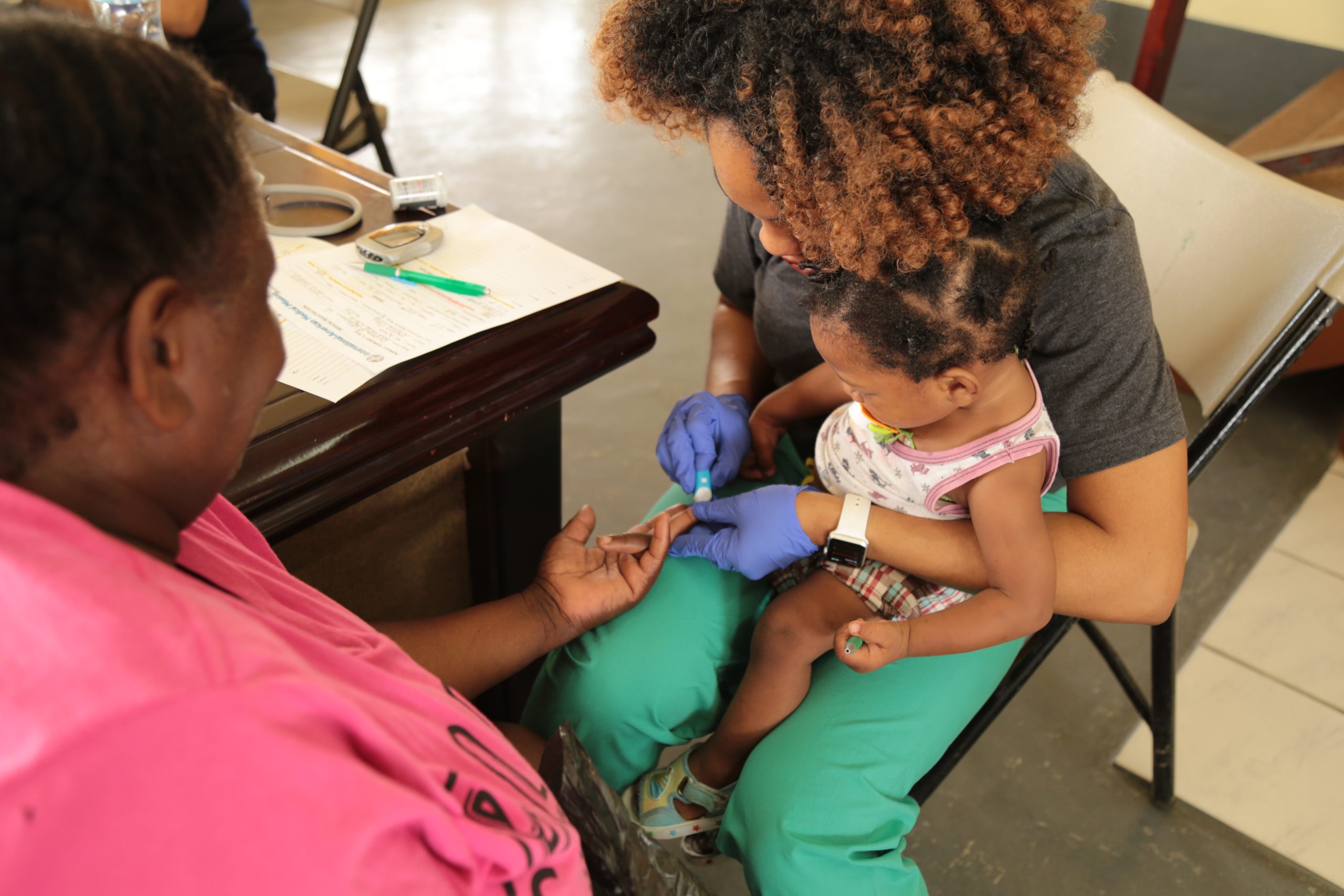
Diabetes is a chronic condition that affects how the body processes blood sugar which is also known as glucose. Around the holidays, regular mealtimes may change and tempting treats may be offered by hosts. Family members and friends can benefit from learning more about diabetes to better support loved ones who have been diagnosed with it from overindulging, but also for the purposes of guarding their own health.
“When the pancreas can no longer produce insulin, or the body cannot use insulin effectively, blood glucose levels rise, leading to diabetes. This disease requires careful management and awareness, as it can lead to severe complications if left untreated,” said Maggie Bell, a registered nurse and registered dietitian.

Photo Credit: Paul Bostrum
There are two primary types of diabetes: Type 1 and Type 2. While explaining more about diabetes, Bell provides more information cited by https://idf.org/about-diabetes/what-is-diabetes.
“Type 1 diabetes is an autoimmune condition where the immune system mistakenly attacks the insulin-producing beta cells in the pancreas. This destruction leaves the body unable to produce insulin, a hormone essential for regulating blood sugar. Type 1 diabetes is often diagnosed at a young age, and researchers are still working to identify its causes and potential prevention strategies,” Bell explained.
She added, “Type 2 diabetes, on the other hand, is a chronic metabolic condition where the body becomes resistant to insulin or doesn’t produce enough of it. This results in high blood sugar levels over time. Though once predominantly diagnosed in older adults, Type 2 diabetes is now increasingly common in children due to rising obesity rates and sedentary lifestyles.
Bell notes that the American Diabetes Association gives insight into how diabetes is diagnosed.
“Diabetes is typically diagnosed through a blood test called the hemoglobin A1C, which reflects average blood sugar levels over three months. An A1C level of 6.5% or higher indicates diabetes, while levels between 5.7% and 6.4% fall into the prediabetes range. Fasting blood sugar levels above 126 mg/dl may also signal diabetes.”
Symptoms of diabetes include frequent urination; excessive thirst; fatigue; unexplained weight loss; blurred vision; numbness or tingling in the extremities; and slow wound healing, according to Bell.
“However, some individuals experience no symptoms, emphasizing the importance of regular screenings, especially for those at risk,” she added.
Bell further explained that people who are most at risk for Type 2 diabetes include individuals who are overweight or obese, and particularly minorities with a family history of the disease. Poor dietary choices and a sedentary lifestyle are the primary risk factors. These habits can lead to weight gain, insulin resistance, and, eventually, diabetes.
She also mentioned that “the prevalence of Type 2 diabetes continues to rise, particularly among African Americans and other minority groups,” according to the Office of Minority Health https://minorityhealth.hhs.gov/diabetes-and-african-americans.
Bell said that the trend is fueled by increasing rates of obesity, sedentary behavior, and poor dietary habits, exacerbated by socioeconomic disparities. Efforts to address these disparities and promote healthier lifestyle choices are critical in reversing this trend.
“Type 2 diabetes is not only manageable but also reversible with the right lifestyle changes. Take an honest look at your habits. Are you eating a diet high in sugar and refined carbs? Are you active or sedentary throughout the day? Are you getting enough rest and managing stress effectively? Small, consistent changes can lead to transformative results, improving not just blood sugar levels but overall health and quality of life,” Bell suggested.
She also stated, “Type 1 diabetes, however, can affect anyone regardless of age or lifestyle. Having a close family member with Type 1 diabetes significantly increases an individual’s risk.”
Additionally, Bell also remarked that individuals should be aware that prediabetes is a condition where blood sugar levels are higher than normal but not high enough to be classified as diabetes. Prediabetes indicates insulin resistance or inadequate insulin production by the pancreas.
“Lifestyle changes, such as eating a nutrient-dense diet, engaging in regular physical activity, managing stress, and getting adequate sleep, can reverse prediabetes and prevent the progression to Type 2 diabetes,” she said.
Bell stated that chronic stress and poor sleep habits elevate cortisol levels which can lead to increased blood sugar levels over time. Consistently practicing stress-reduction techniques and prioritizing seven to nine hours of quality sleep each night are effective preventative measures.
Diet is a cornerstone of preventing and managing diabetes.
“A healthy diet that prioritizes whole foods minimizes refined sugars, and balances macronutrients helps regulate blood sugar levels, supports weight management, and reduces the risk of complications associated with diabetes,” Bell added.
Visit www.maggiebellnutrition.com to learn more about Bell; https://www.niddk.nih.gov/health-information/diabetes/overview/risk-factors-type-2-diabetes/diabetes-risk-test to find information about type 2 diabetes; and https://www.screenfortype1.com/know-your-risk to explore risk factor information regarding Type 1 diabetes.