
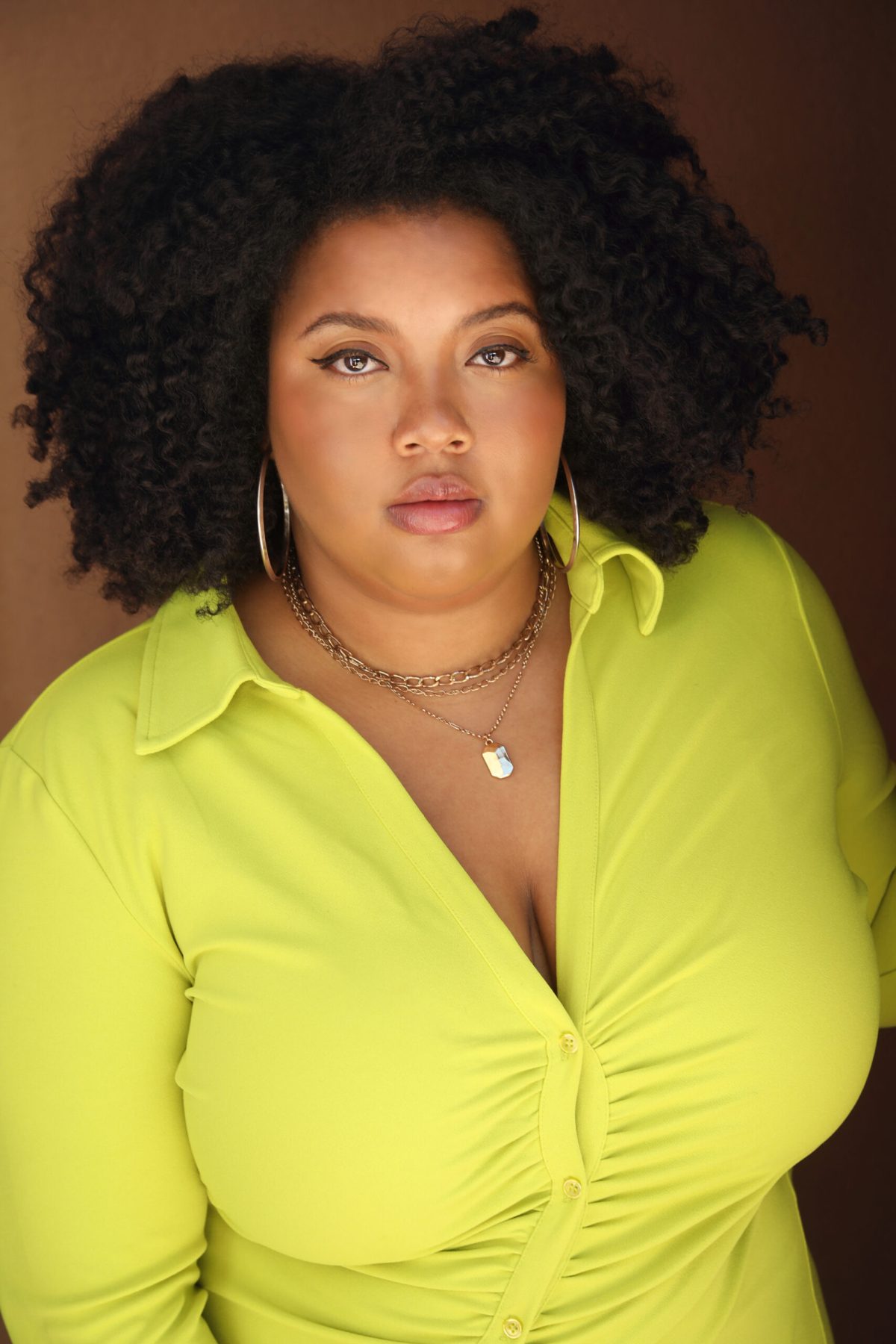
Baltimore has long been a city that produces world-class artists, and soprano Adia Evans stands firmly in that tradition. A proud Baltimore native and graduate of the Baltimore School for the Arts, Evans has been selected to participate—once again—in the highly competitive Merola Opera Program, one of the nation’s most esteemed training grounds for emerging opera talent.
Widely regarded as the foremost opera training program for aspiring singers, pianists, and stage directors, the Merola Opera Program nurtures the opera stars of tomorrow through intensive master classes and private coaching with some of the field’s most accomplished artists, conductors, and directors. Offered free of charge to all participants, Merola is unique in the industry for its comprehensive curriculum and long-term investment in artists, including up to five years of post-program financial support for essential career development expenses such as coaching, language study, and audition travel.
For Evans, this opportunity is both a professional milestone and a deeply personal homecoming.
Rooted in Baltimore, Raised in the Arts
Born at Sinai Hospital and raised on Baltimore’s east side, Evans’ connection to the city runs deep. Her grandparents still reside near Cold Spring Lane and Rogers Avenue, and her upbringing was immersed in Baltimore’s creative ecosystem. Both of her parents are artists and alumni of the Baltimore School for the Arts, where Evans herself would later formally begin her vocal studies and discover opera.
“I’ve really been on the same three blocks of Baltimore my whole life,” Evans reflected during her interview with The Baltimore Times. From early schooling near Mount Vernon to her years at BSA, her artistic development was shaped by institutions that affirmed creativity, Black excellence, and possibility.
It was at BSA where Evans first encountered opera as a serious artistic path, under the mentorship of her first voice teacher, Robert Cantrell, a bass-baritone and Peabody graduate. Seeing a Black man commanding the operatic stage made the art form feel accessible and attainable.
“Representation really matters,” Evans said. “Seeing someone who looked like me doing this work at the highest level changed everything.”
Finding Her Voice in Opera
Like many young singers, Evans’ earliest musical influences leaned toward contemporary artists such as Alicia Keys and Jill Scott. Opera was not initially part of her imagination. But encouragement from family and educators helped her understand that singers need not be singer-songwriters to build meaningful careers.
At BSA, Evans trained in a culturally affirming environment where Black composers, Black art song, and canonical opera repertoire existed side by side. Exposure to artists such as Leontyne Price and Jessye Norman was not supplemental—it was foundational.
“That early comfort in the art form came from Baltimore,” she said. “From teachers who made sure our Blackness wasn’t something separate from our artistry.”
The Cost—and Commitment—of a Classical Career
Evans’ journey after Baltimore reflects the financial and emotional realities faced by many classical musicians. She earned her undergraduate degree at the University of Maryland, College Park, before completing a tuition-free master’s program in Knoxville through a young artist residency—an intentional decision shaped by economic reality.
After graduating during the height of the COVID-19 pandemic, Evans navigated canceled seasons, administrative work, last-minute relocations, and constant travel. Auditions, competitions, coaching fees, and cross-country moves became part of her professional rhythm.
“Opera singers are constantly auditioning,” she explained. “Travel, competition fees, coaching, pianists—it adds up quickly. You’re always investing in yourself.”
Merola as a Turning Point
Evans first joined the Merola Opera Program in 2022, an experience she credits with fundamentally changing the trajectory of her career. During that summer, she performed the role of First Lady, gained access to elite coaching, auditioned for major companies, and built relationships that opened doors nationwide.
Since then, Evans has performed with Fort Worth Opera, Santa Fe Opera, and completed a self-produced solo season. She also competed internationally in Tbilisi, Georgia—an opportunity made possible with Merola’s financial support. Evans is currently a Ensemble artist in the prestigious Patrick G. and Shirley W. Ryan Opera Center at Lyric Opera of Chicago
“Merola put me on the map,” she said. “It gave me the resources and the belief that I belonged here.”
Her return to the program this season marks a new phase in her artistic evolution. While details of her upcoming role remain under wraps until April, Evans describes the opportunity as “too big and too meaningful to pass up.”
Advocacy, Mentorship, and What’s Next
Evans is quick to credit Merola leaders Carrie-Ann Matheson and Markus Beam for their continued advocacy and mentorship.
“They have vouched for me everywhere I’ve gone,” she said. “That kind of belief is rare, and it changes lives.”
She also acknowledged the support of her current team at the Lyric, who have helped prepare her for this next chapter. Looking ahead, Evans anticipates making her international debut in Germany during the upcoming season—another major milestone in a rapidly ascending career.
For Baltimore readers, Evans’ story is a reminder that world-class talent is being cultivated right here at home—and that access, mentorship, and sustained investment can turn local promise into global impact.
As Evans prepares for another transformative summer with the Merola Opera Program, The Baltimore Times will continue to follow her journey, including an exclusive role announcement coming this April.
For more information about the Merola Opera Program, visit merola.org.