

Audio and Text Summary
Read by

Guy R.
Publisher Joy Bramble of The Baltimore Times recently spoke out about the dangers of food allergies, hoping to raise awareness and advocate for better ingredient labeling. Bramble, who has been publishing the newspaper for almost 40 years, has always been dedicated to serving her community. However, a personal experience with her grandson’s severe allergic reaction to pink peppercorns has made her realize the importance of accurate labeling. Pink peppercorns, despite their name, are not actually peppercorns but dried fruit from the tree nut family. For individuals with tree nut allergies, consuming pink peppercorns can be life-threatening. Bramble discovered that many brands of peppercorn medleys do not include a warning about the presence of pink peppercorns, putting those with allergies at risk. She hopes that her story will encourage others to read ingredient labels carefully and push for better regulations to protect those with food allergies.

For the first time in The Baltimore Times’ 38-year history, Publisher Joy Bramble speaks publicly about a private family health matter. Food allergies pose a growing health threat to children and adults. She sincerely hopes the information shared in this article will spare families from the trauma of a preventable allergy attack and spark a grassroots effort to mandate complete and accurate ingredient labeling that warns consumers about life-threatening allergens.
Montserrat-born Joy Bramble has very quietly and effectively worn several different hats, since coming to America 50 years ago, then newlywed to Yale grad Peter Bramble. Among her many career accomplishments, she is proudest of publishing The Baltimore Times for nearly 40 years, overcoming the fate of scores of large and small newspapers no longer in print.
Today, the paper is stronger than ever, beta testing an exclusive, innovative suite of Artificial Intelligence (AI) software designed to make Times’ written content accessible to poor or non-readers.
Founded on the steadfast belief that Baltimoreans needed “positive stories about positive people,” the Times quickly became a widely-read, family-oriented paper distributed weekly to churches, barber shops and hair salons, grocery markets, colleges and libraries.
Years before the expression, “thinking outside of the box” became a cliché, Joy solidified the paper’s reputation as a trusted champion for underserved and marginalized populations. Under her astute leadership, The Baltimore Times received national attention for its groundbreaking support of free preventive health screenings for uninsured populations.
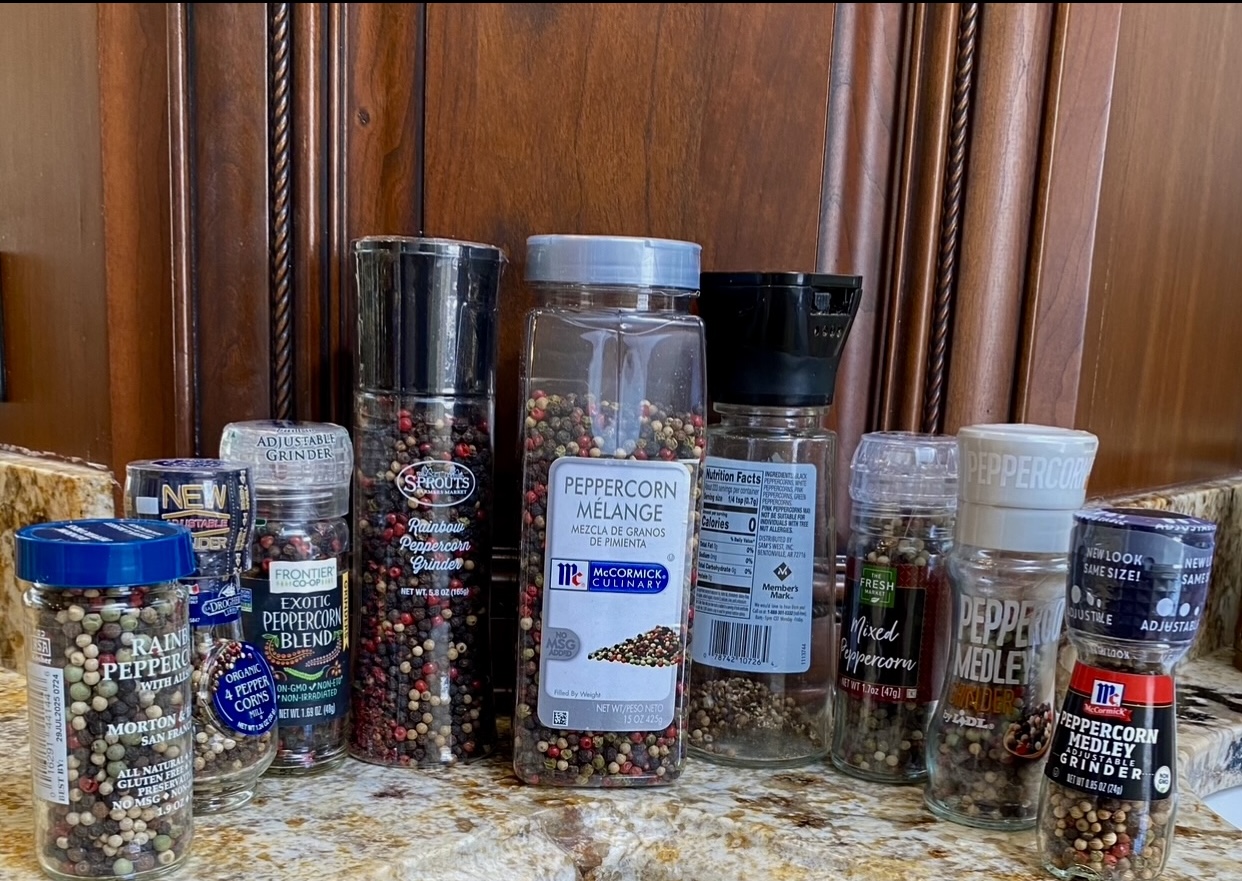
Photo credit: Jayne Hopson
Joy Bramble is fearless. Over the years the paper has identified and brought attention to business practices proven to cause harm to readers. At the risk of ruffling a few municipal feathers, she holds executive board memberships on what local stakeholders refer to as Baltimore’s “Fed, Meds, and Eds,” shorthand for federal government agencies, medical institutions and universities, respectively.
Collectively and individually, the Fed, Med and Ed trifecta, fuels Baltimore City’s mammoth economic engine. Mrs. Bramble has earned her place among the city’s most influential leaders and decision-makers. She can be counted on to be at the table advocating for readers who rarely have a say in policy-making that will have a direct impact on their lives.
And this is where the story goes from macro to micro, from one businesswoman’s tireless efforts to improve the lives of Times’ readers to a matriarch’s frantic search for answers to why a common spice, potentially sent her beloved grandson into anaphylactic shock.
“I have lost faith in our food regulation safety net to protect us from incorrect, inadequately labeled foods and spices,” said Mrs. Bramble after discovering she had unwittingly served a meal that proved toxic to her grandson Cole, who is known to be highly allergic to tree nuts.
It was a simple, frequently prepared dish with only five ingredients, one of which sent Cole to the emergency room. Untreated, his severe allergic reaction could have claimed his life.
Anyone who knows Mrs. Bramble will tell you she values her family far above the prestige and perks of publishing a successful newspaper. She is the mother of a son and a daughter and grandmother to five young children. Like millions of women, she enjoys cooking food for her grandchildren. Cole’s meals require special attention to ensure all ingredients are free of tree nuts.
Mrs. Bramble did not realize that within the warm comfort of her kitchen, there is a silent danger. One of the ingredients is not what it is advertised to be. The imposter ingredient masquerades as a pink peppercorn, improperly labeled and packaged in bottles with black, white and green peppercorns.
Fact: pink peppercorns are not peppers, nor peppercorns; they are hardened, dried fruit, a member of the tree nut family. For individuals who are allergic to tree nuts, pink peppercorns are equally toxic and known by researchers and allergists to trigger a dangerous allergic reaction.
Heeding the precise food preparation guidelines passed down by Cole’s parents, Joy crafts each of his meals with an attentiveness that showcases her culinary expertise. A single misstep, a minor oversight in the ingredients list, can turn a family dinner into a grim medical urgency. The stakes? Consuming even the slightest hint of tree nuts can initiate an unforgiving bout of anaphylactic shock.
With a keen, practiced eye — one that oversees the weekly publication of The Baltimore Times and The Annapolis Times —Mrs. Bramble meticulously reviews every ingredient listed on food labels. Yet, even with the family’s measured precautions, Cole recently suffered an unexplained allergy attack. Since that harrowing episode, Mrs. Bramble has paid even closer attention to his food preparation, leaning towards dishes comprised of five or fewer ingredients.
One such dish, her homemade macaroni and cheese, became Cole’s favorite meal. With its simple, basic ingredients — flour, water, butter, cheese, a pinch of salt, and a sprinkle of cracked peppercorns— it seemed like an allergen-free meal.
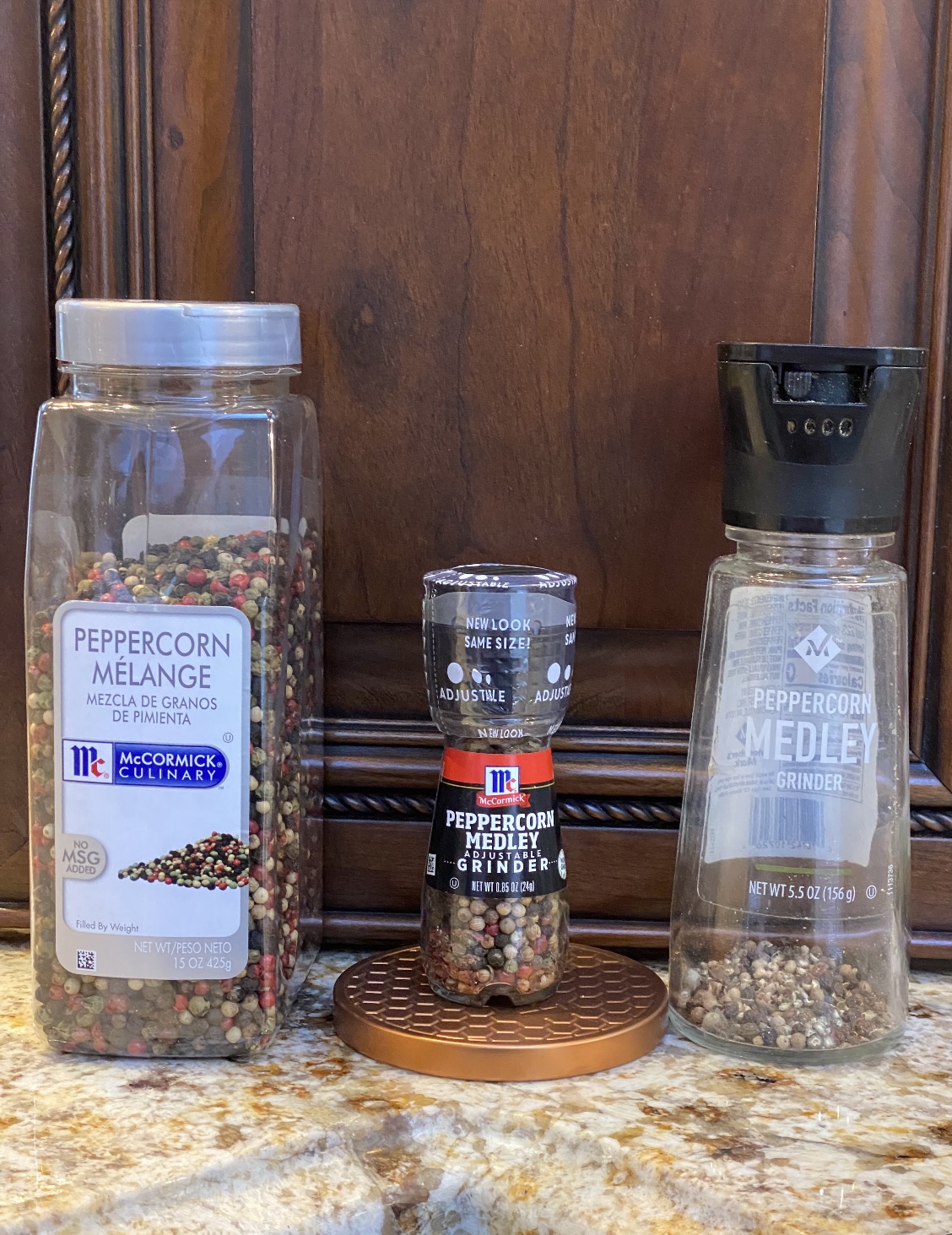
Photo credit: Jayne Hopson
Nevertheless, within minutes of eating the macaroni and cheese, Cole’s eyes began to swell. His father rushed him to the hospital. Because he has a serious allergy to tree nuts, Cole has an EpiPen. An EpiPen is an auto-injector that contains epinephrine, a medication that can help decrease your body’s allergic reaction by relaxing the muscles in your airways to make breathing easier; helping to reverse the rapid and dangerous decrease in blood pressure; and relaxing the muscles in the stomach, intestines and bladder. Meanwhile, Mrs. Bramble began her search for the culprit, re-reading all the ingredient labels. She would be shocked by what she eventually discovered.
Based on an examination of six different brands of peppercorn medleys found on local grocery store shelves, pink peppercorns are not sold as a standalone spice. They were packaged as part of a medley of black, white, and green peppercorns. Contrary to their name and the company they keep in spice bottles, pink peppercorns are primarily used as a colorful garnish on soups and salads.
While the other peppercorns in the medley come from the Piper nigrum plant, pink peppercorns are from the same botanical family as cashews and pistachios, two popular nuts widely recognized as dangerous to people allergic to tree nuts.
In the process of trying to understand why pink peppercorns, a known allergen, is sold without a warning for people who are allergic to tree nuts, several supermarkets were visited to review the ingredient labels of six different brands. Mrs. Bramble was surprised to learn there were no tree nut warnings on any of the peppercorn medleys.
Confirmation that the pink peppercorns triggered Cole’s attack came in a roundabout fashion. After painstakingly eliminating all the ingredients from the homemade macaroni and cheese dinner, Mrs. Bramble cast a more discerning eye on the seemingly innocent peppercorn blend she had sprinkled on Cole’s meal. The culprit was found. Hidden in plain sight, in a tiny, whispering font, was the warning and its grim revelation: “Pink peppercorns may not be suitable for individuals with tree nut allergies.”
The aftermath of the missed warning label was every grandparent’s worst fear realized. “His eyes were swollen shut, and he had difficulty breathing shortly after eating the macaroni and cheese,” Mrs. Bramble recounted, her voice quivering with guilt and disbelief. “I could have killed my grandson!”
She called The Baltimore Times health writer who ruefully dubbed the disturbing incident “pink peppercorngate.”
Despite Mrs. Bramble’s typically reserved nature concerning her personal life, she felt compelled to share her family’s experience and bring wider attention to the danger of inadequate food labeling and the importance of carefully reading the ingredient list of all food served.
“This is a story that must be told. I would not want another family to experience this nightmare. I looked at the container, saw the multi-colored peppercorns inside, and sprinkled them on his dinner,” she said unaware the pink spice could trigger an allergic reaction.
For young Cole, and all youngsters who carry allergies to tree nuts, cashews, and pistachios, the ingestion of pink peppercorns can be a perilous game of Russian roulette. Research by health organizations such as the American Academy of Allergy, Asthma, and Immunology (AAAAI) and the Food Allergy Research & Education (FARE) indicates tree nut allergies are one of the most common food allergies in the United States.
Although Mrs. Bramble unwittingly served her grandson pink peppercorns, the spice she used was distributed by Walmart, the only brand that included a tree nut warning on its labeling. To her knowledge, Walmart no longer sells peppercorn medleys containing pink peppercorns. It should be noted that it is Walmart’s proper labeling that helped Mrs. Bramble correctly identify the spice that caused Cole’s allergic reaction.
Consumers and families continue to have reason to be concerned about inadequate food warning labels. When McCormick Company, the world’s largest importer and manufacturer of spices and seasonings was asked if there are plans to change its labeling policy to better protect the health of people who are allergic to tree nuts, they said the company was in full compliance with Food and Drug Administration (FDA) requirements that its spices containing pink peppercorns be listed on the ingredient label, issuing the following statement: “McCormick takes allergen labeling seriously and our product labeling practices are consistent with federal regulatory requirements (Food Allergy Labeling Consumer Protection Act.) Pink peppercorns, however, are listed in the ingredient statement for all McCormick products where they are present.”
Yes, pink peppercorns are listed on the ingredient labels of their products, but without any warning of the potential danger they pose for people who are allergic to tree nuts, and by extension pink peppercorns.
This is a matter where a large corporation is following the letter of the FDA regulation, but not the spirit of the law. It seems if the company is truly concerned about the health of its customers, it would give serious consideration to adding a simple warning that pink peppercorns are botanical members of the tree nut family and may trigger an allergic reaction.