

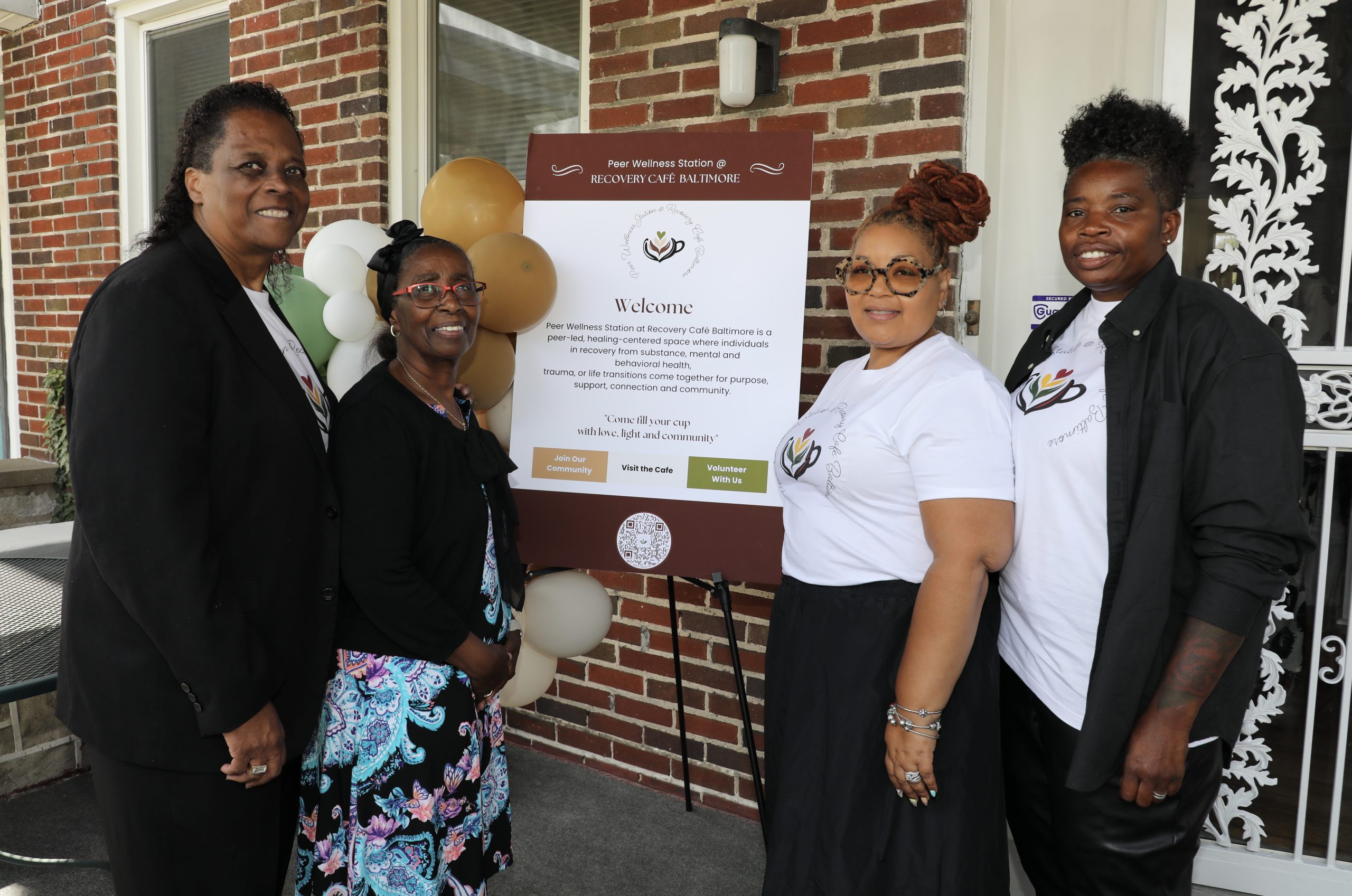
In recognition of National Recovery Month, peer professionals from across the state gathered to celebrate the grand opening of the Peer Wellness Station at Recovery Cafe Baltimore on September 1, 2025.
Located in the Bridgeview-Freelawn community of the greater Sandtown-Winchester area, a rowhome that was once a recovery residence for women has been reimagined into a space where those who serve as peers [recovery specialists] can come for respite.
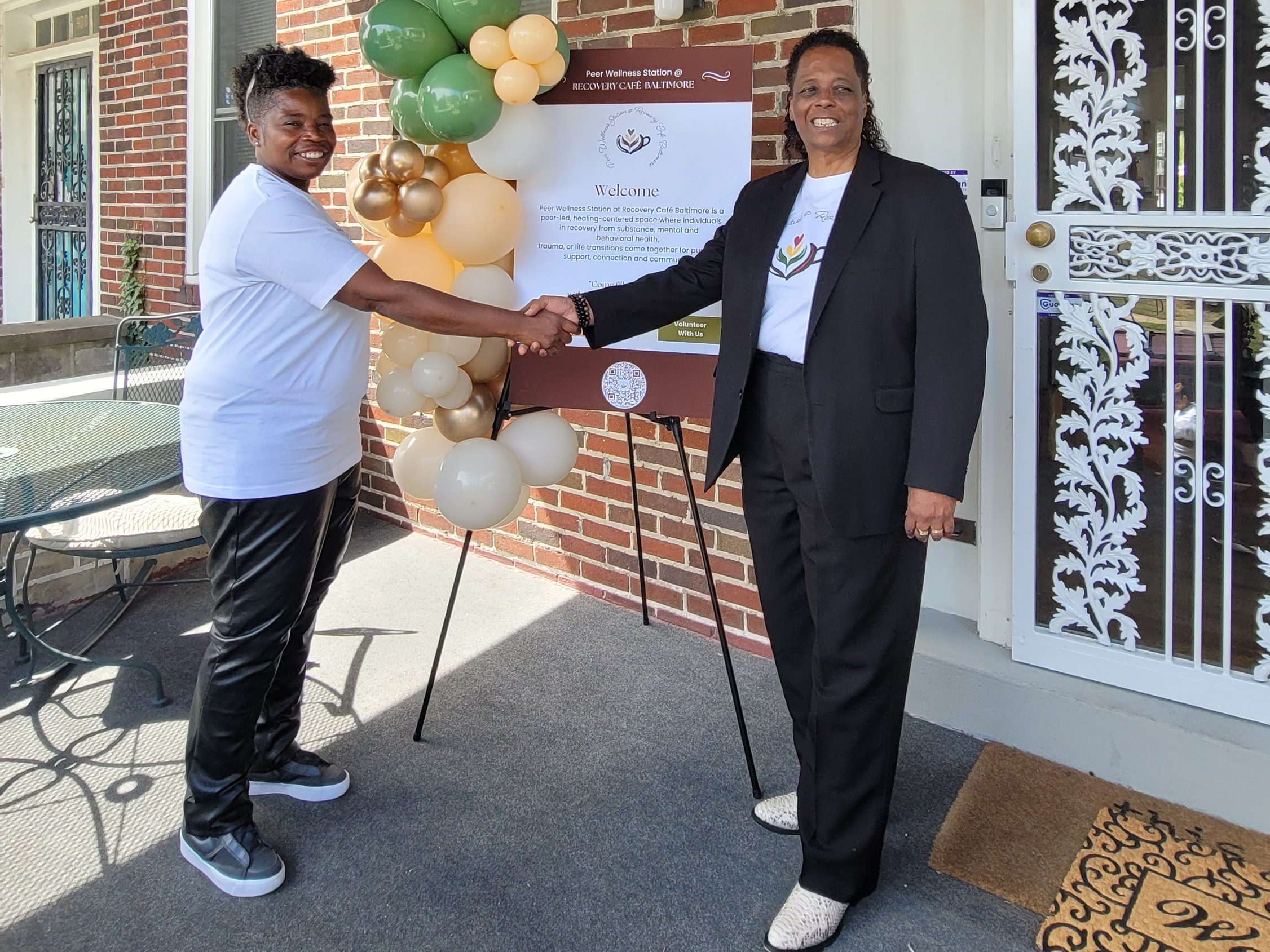
Photo credit: Constance Mann-Leonard
“We envisioned this as a space where peers can come to unplug, be appreciated, and ‘fill your cup,'” said Tiffinee Scott, Executive Director of Maryland Peer Advisory Council (MPAC) and co-founder of Peer Wellness Station, an emerging member of the Recovery Cafe Network (RCN). RCN is a growing network of member organizations committed to serving people who have experienced trauma and the results of trauma, such as homelessness, substance use disorder, addiction, and other mental health challenges, using the Recovery Cafe Model.
“We recognize that for those of us who are giving so much to others on their recovery journey, there must be a place for us to be filled– a place where we have time to just sit and rest, where someone can love us in the manner that we’re loving others,” said Vaile Leonard, Executive Director of Light of Truth Center and the Peer Wellness Station’s co-founder, in opening remarks given at the soft launch held Labor Day weekend.
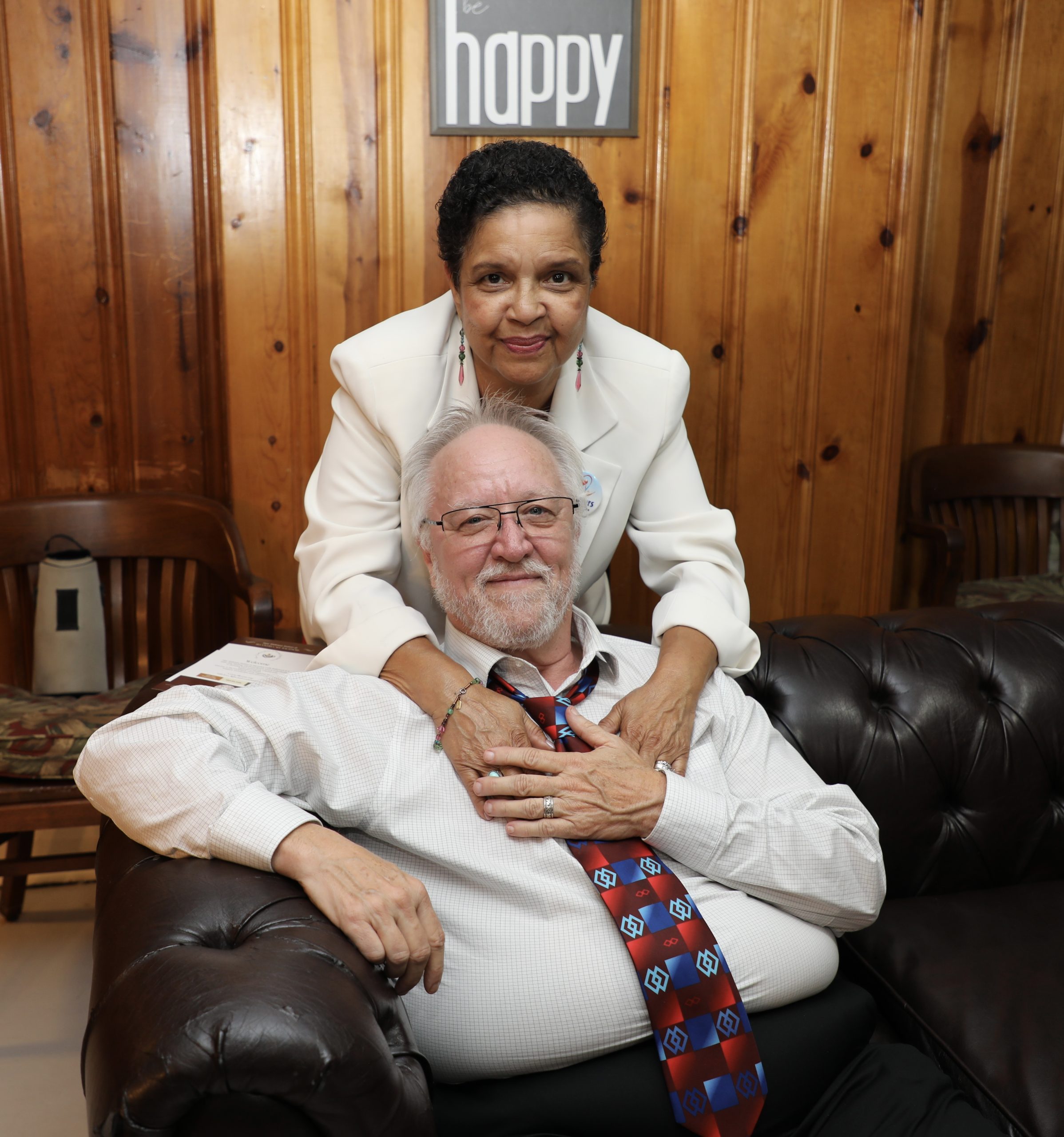
Photo credit: Theresa Laster
“This is the Recovery Cafe of Baltimore. This is what it looks like to serve people who serve others. An open, safe, clean space waiting for you to come and just relax and be– be loved and loved on.”
The Power of Peer Connection
Peers are people with “lived/living experience” of a mental health condition or substance use disorder, who use personal knowledge gained through that experience to support others who are in or seeking recovery.
According to the Substance Abuse and Mental Health Services Administration (SAMHSA), “peers in the workforce, [known in Maryland as Peer Recovery Specialists (PRSs)], provide nonclinical support such as advocacy, system navigation, skill-building, and mentoring to promote recovery and empower individuals toward self-determined lives.
Peers serve in a variety of settings, including public health departments, emergency rooms and treatment facilities, drug courts and jails, crisis centers and recovery residences, providing recoverees a unique service clinicians cannot: flexible, authentic relationships rooted in lived experience.
However, results from a research study, “Peers that Count: A Call to Action,” show that the benefit of the non-clinical nature of the work that allows peers to form deep bonds also makes them vulnerable to compassion fatigue, deep feelings of survivor’s remorse and burnout.
Conducted by peers in the workforce with the academic partnership of the University of Maryland’s School of Social Work, the study reveals a troubling reality: while peers provide extensive support to others, they often lack adequate support themselves. The work is inherently triggering, as peers’ deep empathy can reactivate their own lived experiences, especially in the event of relapse, overdose, or death.
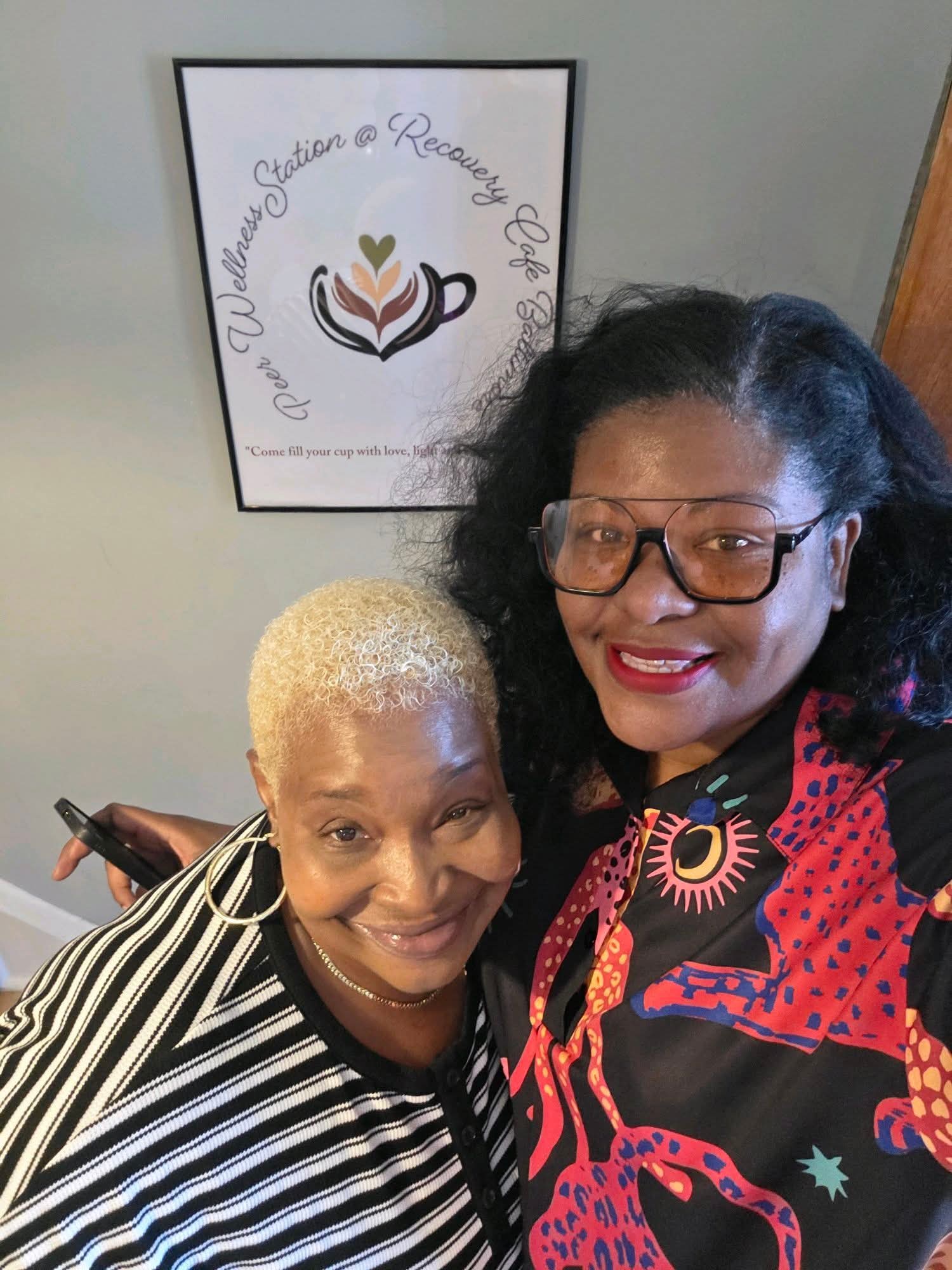
Photo credit: Theresa Laster
“There still are times I carry my job home with me. I have a lot of hope for the people I serve. Sometimes, they go back out and take their will back. And, it hurts me deeply. I tend to take on a lot of their stuff,” said peer Sheraun Barbour. “It’s so easy for people working in the recovery community, who are not peers, to say, ‘Well, you gotta learn how to separate. That’s the job.’ But sometimes, it is really hard for me to separate. I’m not just working [in the field]; I’m recovering myself.”
Barbour is a certified PRS employed at New Way of Wellness, a behavioral health and recovery provider based in Dundalk. After six months of sobriety and residential treatment, she secured an entry-level position there. Today, three years later, she’s certified as a medication administrator and works as an intake coordinator for the agency. She reached another recovery milestone earlier this year by securing her own apartment after living in recovery residences since 2021.
“The opening of the cafe, hallelujah, is a blessing,” said Barbour, a mother of three and grandmother of five. “To be able to go somewhere where I can take my ‘specialist’ hat off, reach out and get poured into. I need all hands on deck for my journey. I am ready to receive any and all things available to me.”
Offerings at the Peer Wellness Station at Recovery Cafe Baltimore include: recovery circles, recovery yoga, meditation and Emotional Freedom Technique (EFT) tapping, arts & crafts, reflective journaling workshops, sound healing, body work and massage, and love-centered leadership coaching.
“The Recovery Cafe Network is excited and inspired by the Grand Opening of the Recovery Cafe Baltimore, the first Recovery Cafe in Maryland,” said RCN Catalyst at Large Kim Montoll.
Montoll added, “This cafe-style recovery community will be a place of belonging, healing and radical hospitality that will have a positive impact throughout Baltimore City and beyond. We celebrate the peer leaders who will be welcoming other peers on long-haul recovery journeys.”
Visit www.recoverycafebaltimore.com for more information.
Looking forward to enjoying the recovery Cafe
This is such a monumental blessing to Recovery Peers. It’s important mentally and spiritually to be refilled to be able to fill and serve others from your overflow.