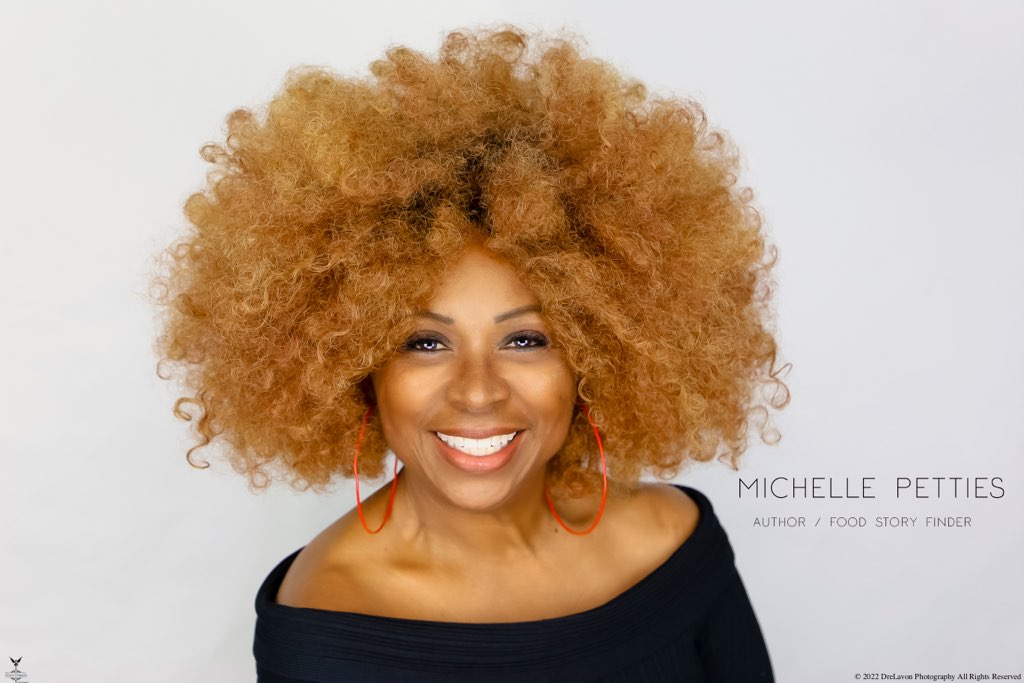
When you hear “Who made the potato salad?” at a Black family gathering, it might seem like a simple question about taste and trust. But as a Food Story coach who has helped countless people transform how they manage food, I’ve learned that this familiar query holds the key to revolutionizing our health.
I first explored this concept in my memoir “Leaving Large: The Stories of a Food Addict” (https://leavinglarge.com) and later in my TEDx Talk, “A Food Addict’s Lesson: Confusion. Clarity. Recovery.” After gaining and losing over 700 pounds before finding lasting freedom from stress eating and emotional overeating, I discovered that our food stories—the narratives we inherit and create about food—profoundly impact our health choices.
The Statistics Tell a Sobering Story:
– 82% of Black Americans are overweight or obese
– Black adults are 60% more likely to be diagnosed with diabetes
– Diet-related diseases cost the Black community billions in healthcare annually
That cautious inquiry about potato salad shows we know how to question our food. We understand that who prepares our food matters. Yet when it comes to processed foods, we often stop questioning. This selective scrutiny reveals a deeper truth: we must expand our curiosity beyond the potluck table to every food choice we make.
Essential Questions We Rarely Ask:
– Who profits from my consumption?
– Who benefits from my poor health?
– Who decided this was “food”?
– What exactly am I eating?
– What’s behind this colorful packaging?
– What was this before processing?
– Where did these ingredients come from?
– Where in my body will this cause harm?
– When was this actually made?
– When did we start accepting this as food?
– When will this impact my health?
– Why can’t I resist this?
– Why does this have 47 ingredients?
– How was this engineered to be addictive?
– How will this affect my health?
– How far is this from its natural state?
In my Mind Over Meals (https://go.michellepetties.com/mind-over-meals-virtual-retreat-may-2025) free online retreat, we explore these and many more questions through integrated practices:
Prescriptive Writing Prompts: “Think about a food that’s important in your family gatherings. Who makes it? What memories surround it?”
Visualization: “Imagine yourself at a family gathering. Notice the food before you. Rather than focusing on taste or tradition, tune into your body’s wisdom. What does it truly need for nourishment?”
Affirmation: “I choose foods that honor both my culture and my health. My food choices reflect self-love and wisdom.”
The Neuroscience Behind the Method:
When we combine writing, storytelling, meditation, and affirmation, we create new neural pathways. Research shows that writing about emotional experiences strengthens the brain’s ability to regulate emotions. Meditation reduces stress-related eating, while affirmations activate brain regions associated with positive self-appraisal.
The processed food industry thrives on unquestioned consumption. It spends billions on marketing to keep us focused on taste, convenience, and pleasure—none of which has anything to do with nutrition. The industry doesn’t want us to ask these tough questions because informed consumers might make different choices.
Just as we trust Aunt Ida Mae’s potato salad because we know her kitchen, her ingredients, and her love for our well-being, we must develop this same level of scrutiny for all our food choices. Our ancestors questioned their food sources out of necessity. In today’s world of engineered edibles, we must revive this tradition of questioning – our lives depend on it.
Through my workshops, participants learn to:
– Identify limiting beliefs about food
– Create new associations with healthy choices
– Build emotional resilience
– Develop sustainable habits
When we ask these deeper questions, we begin to see food differently. We move beyond the marketing myths and start making choices based on what truly serves our health. The path to freedom from processed food addiction and diet-related diseases begins with curiosity and the courage to question what we’ve been sold as “food.”
The next time you hear “Who made the potato salad?” remember: if we can question who made the potato salad, we can, and must, question everything about our food choices. Sometimes, the path to better health starts with a simple question and the courage to explore where it leads.Are you ready to take your questioning and your health to the next level? Join our next free online Mind Over Meals https://go.michellepetties.com/mind-over-meals-virtual-retreat-may-2025 retreat.