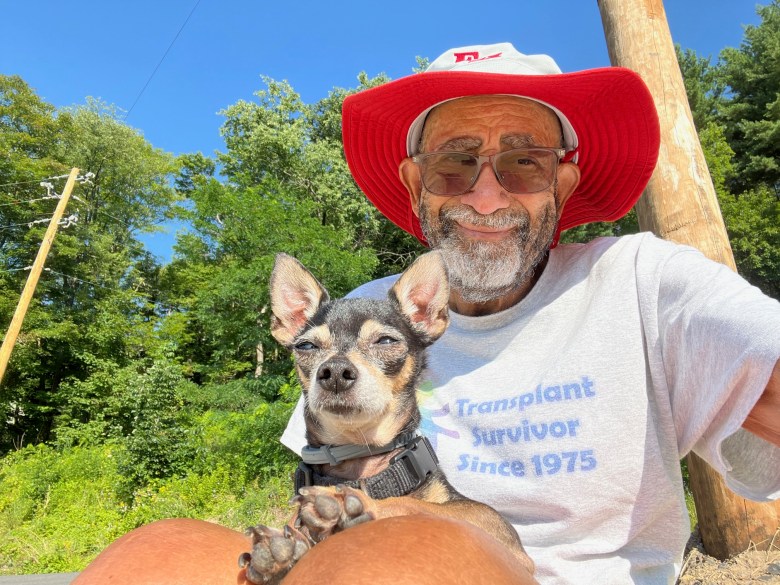
George Edward Franklin, III, is a walking miracle. The seventy-one-year-old who underwent his successful kidney transplant on November 4, 1975, is the oldest living African American with the same kidney transplant in the nation. Franklin was informed that organ transplants were still considered rare and experimental when he initially received his life-saving gift. According to the kidney transplant recipient, his medical victory also predates most organ procurement organizations.
“There was only one drug at the time to prevent rejection of the transplanted organ. Now we have a half dozen medications that can be given if an organ goes into rejection,” Franklin explained.
Franklin reflected on his teenage years when he was a hemodialysis patient at the George Washington Hospital Center in Washington, D.C.
“I didn’t know I had kidney disease until I was in the hospital,” Franklin explained. “I was almost in complete renal failure.”
At just 18 years old, Franklin’s plans to enlist in the military forcibly shifted in another direction. He needed to start hemodialysis, a life-saving medical treatment that filters waste and excess fluids from the blood when the kidneys fail, approximately four months after high school graduation. Franklin discovered that he was born with only one kidney that could no longer do its job. His tiny kidney filters became inflamed because of a kidney disease called glomerulonephritis.
His first transplant kidney was removed after a week or two due to massive rejection in April of 1975.
“It never worked. They took it out the day after Mother’s Day, which sent me into a depression,” Franklin explained.
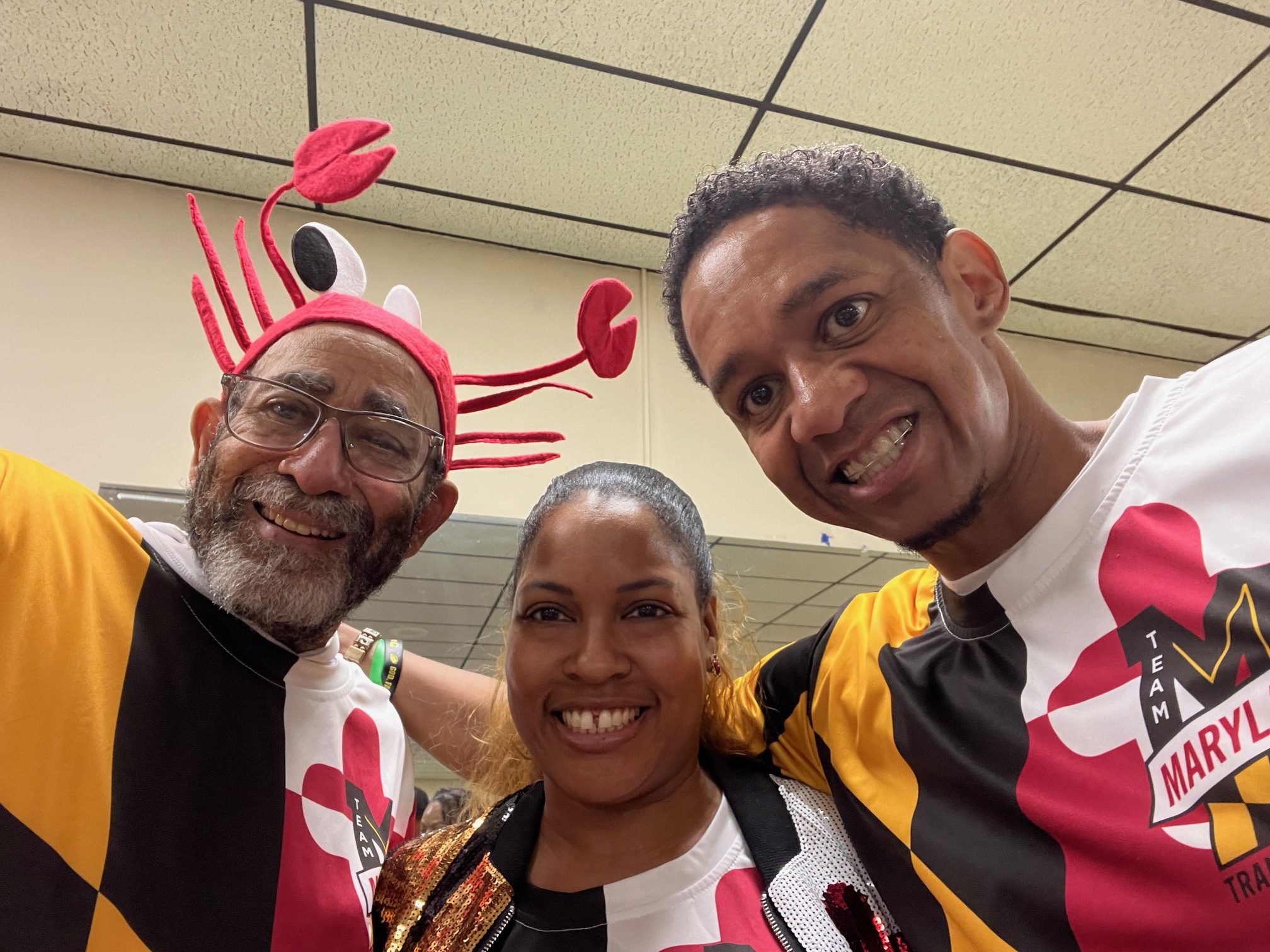
The second time, Franklin’s body responded positively to the new kidney that was surgically implanted by Dr. Glenn W. Geelhoed when Franklin was 21 years old. Today, the gift of life still offers Franklin a chance to live an active, joyful existence. His life in Cumberland, Maryland is quiet and scenic. He likes to bowl and capture beautiful moments that surround him, such as trees that turn colors.
“I guess somebody with 15,000 pictures on their phone should mention photography as a hobby,” Franklin joked.
Joey—Franklin’s faithful little buddy—is a Chihuahua who once belonged to a young girl who is a deceased organ donor. Her mother gave Joey to Franklin as a gift in May of 2023. Joey’s addition to Franklin’s life has offered good therapy for an inspiring warrior who has endured layered challenges and won. Franklin survived an incident when the electrical impulses in his heart stopped in 2022.
“I collapsed on a pool deck. After two AEDs were used at the pool, and one in the ambulance, the next day a pacemaker and defibrillator were implanted in my chest. A defibrillator will restart it, hopefully, if it stops again,” Franklin noted. AEDs (Automated external defibrillators) are portable, life-saving devices designed to treat people experiencing sudden cardiac arrest, a medical condition in which the heart stops beating suddenly and unexpectedly.
He added, “Since August 1 of 2022, I’ve been okay, with the exception that my kidney function is decreasing, but it’s still life-sustaining. I hope to reach November 4, which will be my 50th transplant anniversary from a deceased donor. I’m said to be the longest living African American transplant recipient in the nation with a deceased donor transplant.”
Franklin’s kidney donor, who saved his life, allowed him to live to see his grandmother (Alease Holbrooks) reach an old age. Franklin’s mother, Alease Terry, passed away in 2022.
“I lived to see my mother reach 90. I was 21 when I had my transplant, so she lived to see me thrive,” Franklin explained.
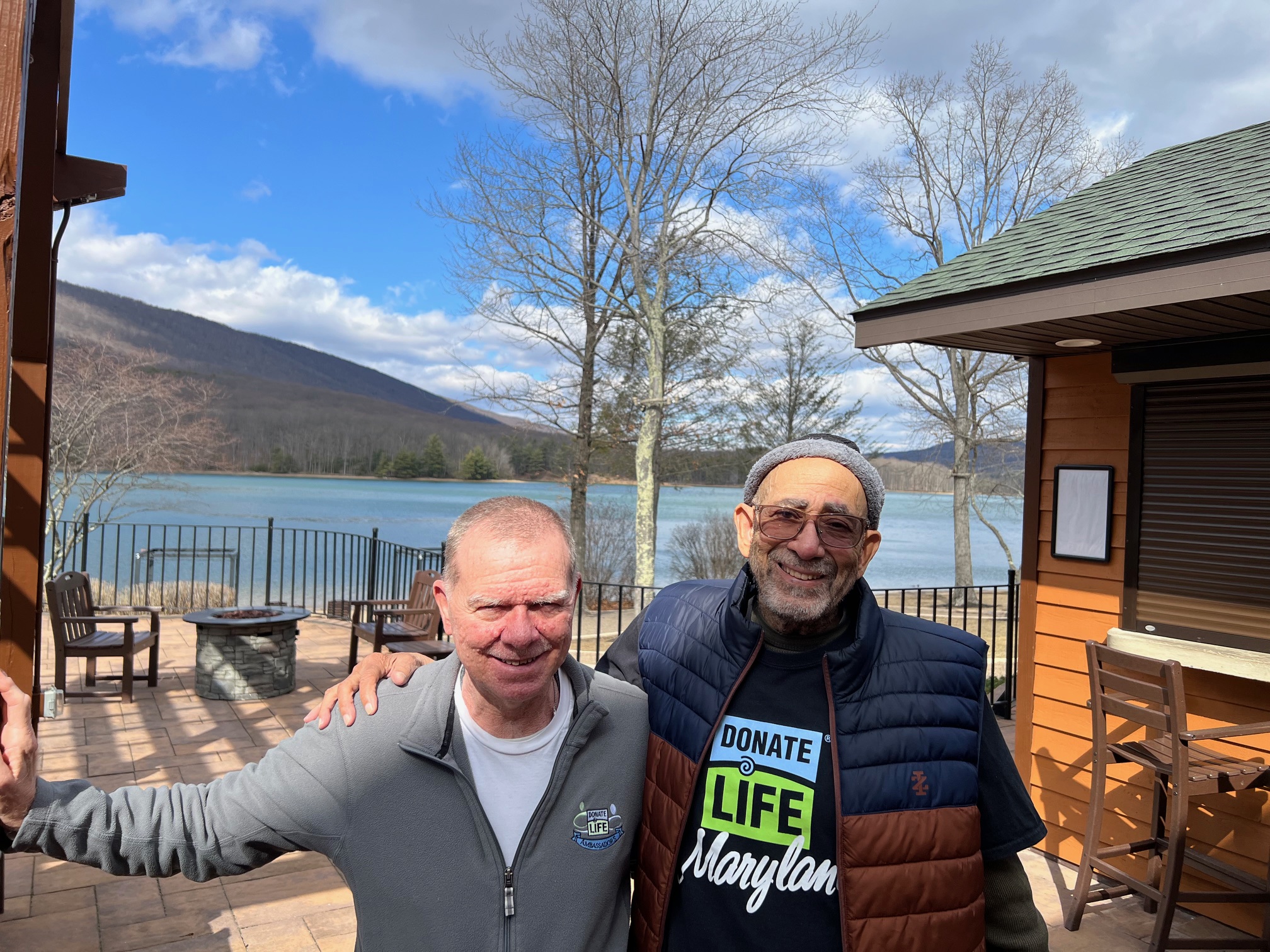
While Franklin is a record holder who offers hope to anyone who wants to know if long life is possible despite enduring an organ transplant journey, he shared that he knows fellow living organ transplant recipients who still have kidneys from their mothers and fathers who donated organs more than fifty years ago. They are members of a national club called The Quarter Century Club for transplant recipients whose transplants have lasted at least 25 years.
Franklin encourages people who are not yet organ donors to consider signing up to help others. The Western Marylander further stated that people are dying needlessly because of a lack of organs that can be transplanted to save lives in this country.
“You can donate one and save someone’s life, literally. I am an example of longevity from a deceased donor,” Franklin said. “Leave a legacy. Become an organ donor and save someone’s life.”
Learn more about organ, eye and tissue donation by visiting Donate Life Maryland via https://www.donatelifemaryland.org.