
September offers a dedicated time to highlight issues and people within the recovery community and reminds others that recovering from addiction is possible. However, it is critical to dive into substance use from a comprehensive perspective. Recovery is an issue that touches every corner of the map and nearly every group. In fact, children and American teenagers are among the people who have been gripped by the chronic disease of addiction.
According to “Key Substance Use and Mental Health Indicators in the United States: Results from the 2024 National Survey on Drug Use and Health,” a publication prepared for the Substance Abuse and Mental Health Services Administration (SAMHSA), “among people aged 12 or older in 2024, 58.3 percent (or 168.0 million people) used tobacco, vaped nicotine, used alcohol, or used an illicit drug in the past month; 46.6 percent (or 134.3 million people) drank alcohol in the past month; 16.7 percent (or 48.0 million people) used a tobacco product in the past month; 9.6 percent (or 27.7 million people) vaped nicotine in the past month; and 16.7 percent (or 48.2 million people) used an illicit drug in the past month (https://www.samhsa.gov/data/sites/default/files/reports/rpt56287/2024-nsduh-annual-national-report.pdf).

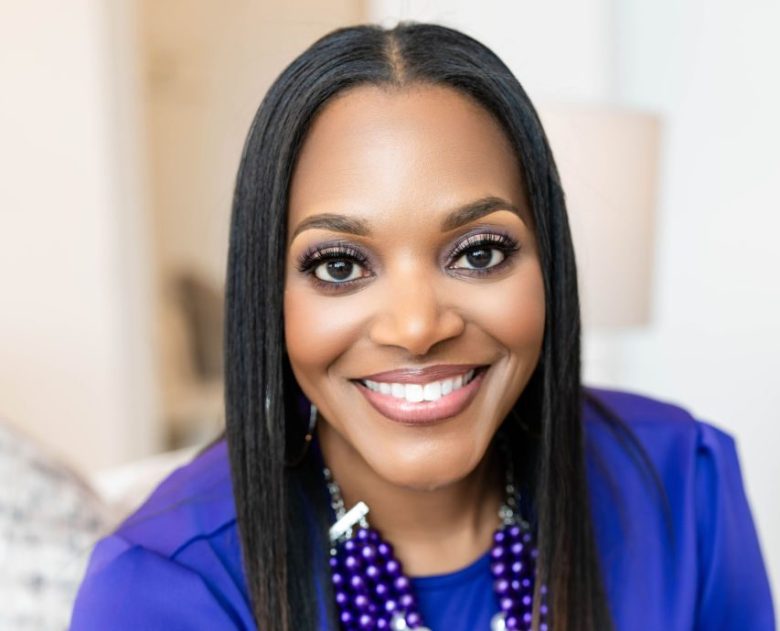
Photo credit: courtesy photo
Najamah Davis, owner of Najamah Davis Counseling Services, and Casondra Burkley, owner of Conquering the Obstacles of Painful Experiences, provide expert insight into addiction and recovery in a two-part series during National Recovery Month.
Addiction is not just about substances.
How people respond to distressing experiences and trauma is linked to addiction and substance use.
“It’s often rooted in coping with pain, trauma, or unmet emotional needs. Many people are surprised to learn that addiction is as much about why someone uses as it is about what they use,” said Davis, an expert in the mental health field.
Addiction can affect anyone.
Davis, a psychiatric social worker, licensed clinical social worker and field instructor who specializes in providing mental health services to children, women, and families, further noted that addiction can affect anyone—from adolescents experimenting for the first time to older adults misusing pain medications. Faces of addiction do not all look the same. They can be found in posh neighborhoods, suburban environments, or in urban settings. A person who battles addiction does not fit a specific profile.
“It doesn’t discriminate by age, gender, or background,” Davis added.
Burkley, LCSW-S, M.Div, LSSGB, ADS-CEO, specializes in trauma. The licensed clinical social worker, mental health expert, and founder of Conquering the Obstacles of Painful Experiences pointed out that addiction can start shockingly early. For instance, pregnant mothers who use substances even before giving birth can expose their unborn fetuses to substances during pregnancy.
According to the NIH National Institute on Drug Abuse, “estimates suggest that about 5 percent of pregnant women use one or more addictive substances.” (https://nida.nih.gov/publications/research-reports/substance-use-in-women/substance-use-while-pregnant-breastfeeding)
In other cases, children and teenagers can dabble in substance use long before they fully understand the consequences. Burkley also said that some children and teenagers are introduced to addictive substances through family environments where alcohol or drug use is normalized. Habits within generations can be passed down because of unhealed trauma. Other young people may encounter substances in social settings where peer pressure, the desire to belong, or curiosity leads them to experiment.
Social media and culture play a powerful role.
Music, videos, and online influencers can glamorize drug and alcohol use, presenting it as a method of coping with stress or “fitting in.” When young people are already carrying heavy emotional loads, such as bullying, community violence, or family instability, the temptation to numb the pain can feel overwhelming, according to Burkley.
Burkley often informs families that young people do not just wake up one day and decide to use drugs. They are seeking relief.
“When trauma has left them feeling unsafe in their bodies and in their world, substances can appear to offer a false sense of comfort or control. This is why prevention efforts must go beyond ‘just say no’ messages,” she stated.
Burkley added, “We must create safe spaces, teach coping skills, and provide healthy outlets for stress, whether through therapy, mentorship, faith communities, or even holistic practices that help regulate the body’s stress response.”
Addiction is not limited to drugs and alcohol.
While increasing education about addiction and recovery, Burkley explained that both youth and adults can become addicted to more than substances such as alcohol, prescription medications, or illicit drugs. Behaviors such as gambling, video gaming, viewing pornography, compulsive social media use, and engaging in relationships where trauma bonds create unhealthy patterns that are difficult to break can also be linked to addiction.
“Each addiction changes the brain’s reward system and impacts emotional health. Effective recovery addresses not just the behavior but the underlying trauma driving it. One innovative approach I use is Acudetox. Auricular acupuncture that calms the nervous system, reduces cravings, and restores balance. For many clients, it creates a sense of safety in their own bodies for the first time in years,” said Burkley.
Make a distinction between substance use and substance abuse.
Davis noted that substance use simply means the act of taking a substance. However, substance abuse refers to patterns of use that cause harm to health, relationships, or daily functioning. The distinction matters because not all use of substances is an instance of substance abuse.
Use proper terminology to help reduce stigma.
When speaking about a person who struggles with addiction, Davis informed that using terms like ‘person with a substance use disorder’ instead of labels like ‘addict’ helps reduce stigma.
“Language shapes how people see themselves and how others treat them. When we use respectful, accurate terms, we open the door to compassion and recovery rather than shame,” Davis stated.
Learn more about Najamah Davis Counseling Services via www.nd-counselingservices.com, and Conquering the Obstacles of Painful Experiences by visiting www.morethancope.com.