
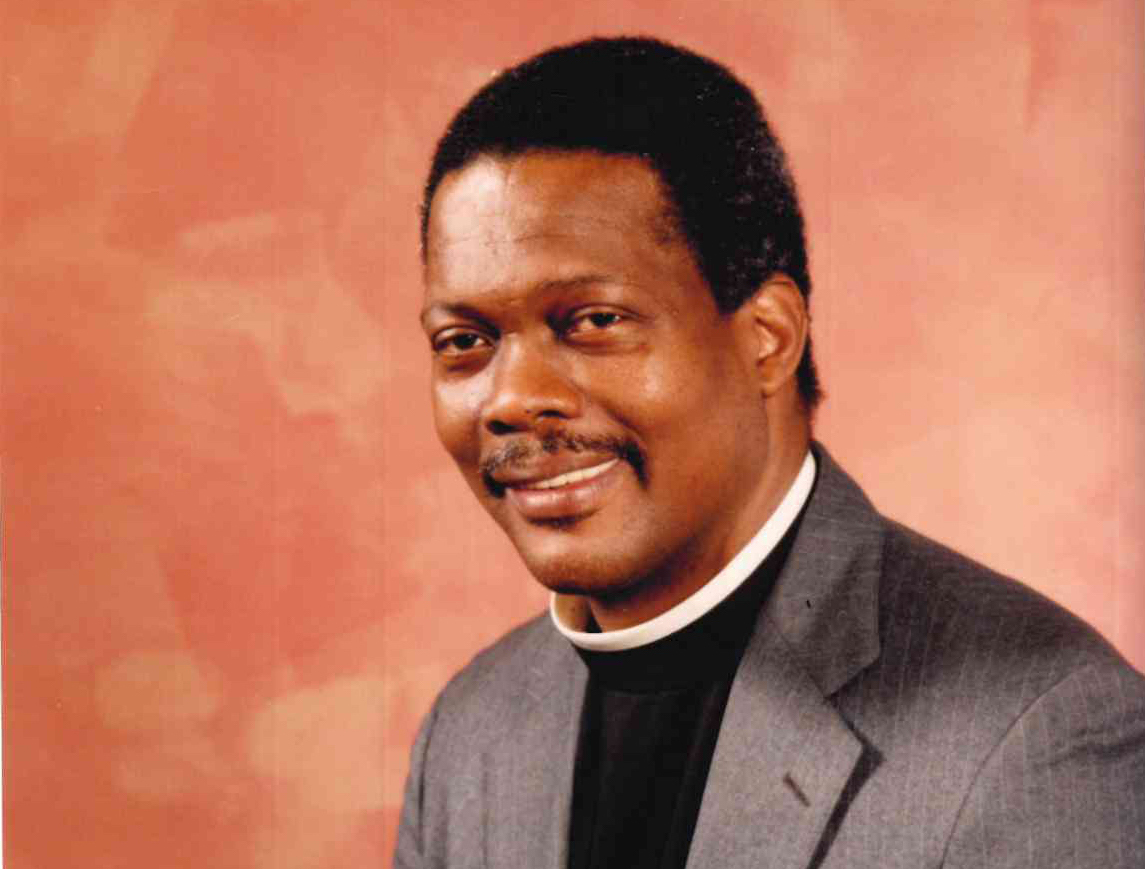
In the realm of literature that explores the experiences of people of African descent globally, both in Africa as well as her diaspora, and America in particular, “The Overcome: A Black Passover,” by Father Peter W. D. Bramble, Ph.D., stands as a transformative work. Drawing parallels between the Jewish Passover and the African diaspora’s journey from slavery to liberation, Bramble offers a conceptual solution to the problems encountered by the Black community not just in America but globally as well.

I sat down with Bramble to delve into the themes of the book’s prescription for overcoming adversity. Bramble, a retired Episcopal priest and native of Montserrat in the West Indies has left remnants of his community activism all over Baltimore. He served as Rector of St Katherine of Alexandria Episcopal Church in Baltimore from 1976 to 1997 and as Rector and Pastor of St Mark’s Episcopal Church in Brooklyn, New York from 1997 to 2015. Once referred to as the “entrepreneurial priest,” by a Baltimore Sun article ( Apr 5, 1992), Bramble has had a hand in everything from running grocery stores to building housing. I asked Bramble to extrapolate on the themes in the book. It was particularly noteworthy that despite being a priest, He approaches faith from a broad spiritual perspective that acknowledges a diversity of faiths and even harkens back to African spirituality.
Furthermore, Bramble emphasizes the need for unity that transcends political and philosophical divisions. He states, “It cannot be a partisan thing” on the question of ideological interpretations of history. “We want something that’s more unifying… The quest for a common experience that lifts humanity up should go beyond labels and ideologies.”
The Strength of Overcoming
The resilience and ability to overcome adversity is borne out daily in the lives of people of African descent.
This interpretation of Bramble’s prescription places Africans globally in the rightful place of strength. It acknowledges history while also recognizing the uniquely inherent strength and resilience of people of African descent. This perspective does not negate the challenges faced but instead reframes them as evidence of the ability to overcome.
In this light, “The Overcome” becomes not just a liturgy of Black remembrance but also a celebration of Black triumph. It becomes a testament to the strength of the African spirit and the resilience of African people globally.
Bramble critiques the approach of asking for reparations without demonstrating power. He draws parallels to the biblical story of Moses confronting Pharaoh. Just as Moses demanded, “Let my people go,” contemporary struggles for justice require assertiveness and a demonstration of strength.
He further draws a distinction between mere survival and triumphant overcoming. He likens it to a Passover—a powerful metaphor. Just as the Jewish Passover commemorates liberation from Egyptian slavery, overcoming represents a universal victory. “It’s not passive; it’s active transformation.”
The subsequent celebration in “The Feast of The Overcome,” celebrating the achievements and contributions of people of African descent will serve to keep people informed as well as engaged and constantly aware of this amazing resilience, positioning people of African descent globally in their rightful place as the greatest overcomers in history.
Roadmap to the “Feast of The Overcome”
The Baltimore Times will undertake a monthly series of articles that celebrate and expound further on the individual overcomers named in the book. This series will culminate on April 4, 2025, the anniversary of Dr. Martin Luther King Jr.’s assassination, with a celebration of the Overcome. “The Overcome Institute” will be established to lead the efforts of the logistics of the celebration of the “Feast of the Overcome.” Specific activities will be funded, initiatives implemented, as well as working with organizations to do the important work that showcases the resilience of people of African descent everywhere.
Call to Action
This ceremony can become an annual celebration in concert with existing organizations that currently exist to celebrate the individual overcomers named in the book, as well as others not named, such as the assassinated President of Burkina Faso, Thomas Sankara, MauMau warrior Dedan Kimathi, as well as others paving the way for a global celebration.
Conclusion
In the end, the true power of “The Overcome” lies not just in its narrative but also in its ability to inspire new narratives. It encourages us to redefine ourselves from the position of our strength, rather than on the challenges. Indeed, challenges are a universal reality. It is the “Overcoming” that in fact sets Africans everywhere apart. Bramble’s unique perspective, rooted in both spirituality and pragmatism, invites readers to rethink their role in shaping a more unified and empowered future.
Karanja is a former Wall Street analyst, consultant, journalist and activist who writes on issues of global geopolitics as it pertains to people of African descent globally, as well as politics, economics, finance and tech! Karanja is also a tech founder.