

After growing up playing sports, Bridgette Ann Greer blossomed into an avid exerciser who jogged about twenty-five miles a week. The active attorney also enjoyed strength training, water aerobics and racquetball. Then, her health took a surprising turn.
“In 1999, I was jogging a lot more. It was probably more of a trot than a jog, and I noticed that when I exercised my breathing was becoming labor-intensive. When I went to the doctor, I was referred to a pulmonologist who said I had pulmonary sarcoidosis,” said Greer, noting that it is an inflammatory disease.
The condition had severely reduced Greer’s breathing capacity and created irreversible scar tissue on Greer’s lungs. She had been diagnosed with sarcoidosis in her eyes that almost caused her to lose vision ten years prior. Greer’s sarcoidosis was treated with heavy steroid dosages until it resurfaced and started attacking her lungs.
She added, “I was probably breathing at like in the high 30 percentage, and so I had to use oxygen on exertion. I exercised with two oxygen tanks.”
Greer was hospitalized for pneumonia. Doctors informed her that mold and fungus were growing in the sputum samples. Greer had also developed aspergillosis, which is an airborne disease caused by breathing aspergillus mold spores. Her pulmonologist said that she would need a lung transplant in approximately six years. Greer was not a typical lung transplant patient, so the seriousness of her prognosis did not immediately register.
“I worked every day. I exercised every day. I was president of the Bar Association. In 2003, I was planning a wedding. I got married in 2003. I was building a house. Other than using oxygen and it being very difficult to breathe, I just didn’t believe that I needed a lung transplant,” Greer recalled.
Over time, simple tasks became increasingly more challenging for Greer to perform. After she was evaluated by doctors at Johns Hopkins Medical Center in November of 2005, she was advised that she was “too high risk” for them. She later found out that they did not do as many lung transplants. She chose Duke University Medical Center from some of the suggested places that were recommended.
By 2006, she relocated to Durham, North Carolina in preparation for a life-saving transplant. Greer received a call from a transplant coordinator informing her that potential donor lungs were available in March.
“I think the lungs came from an 18-year-old Caucasian male. I believe that he was in a car accident,” Greer explained.
Greer’s surgery was supposed to last between four to six hours, but it ended up being 16 because doctors discovered that the aspergillosis had calcified and turned into bone.
Despite numerous hurdles, the Prince George County, Maryland resident lived to experience retirement and achieve much more. March 2024 marked a celebratory 18-year mark of Greer’s surgery.
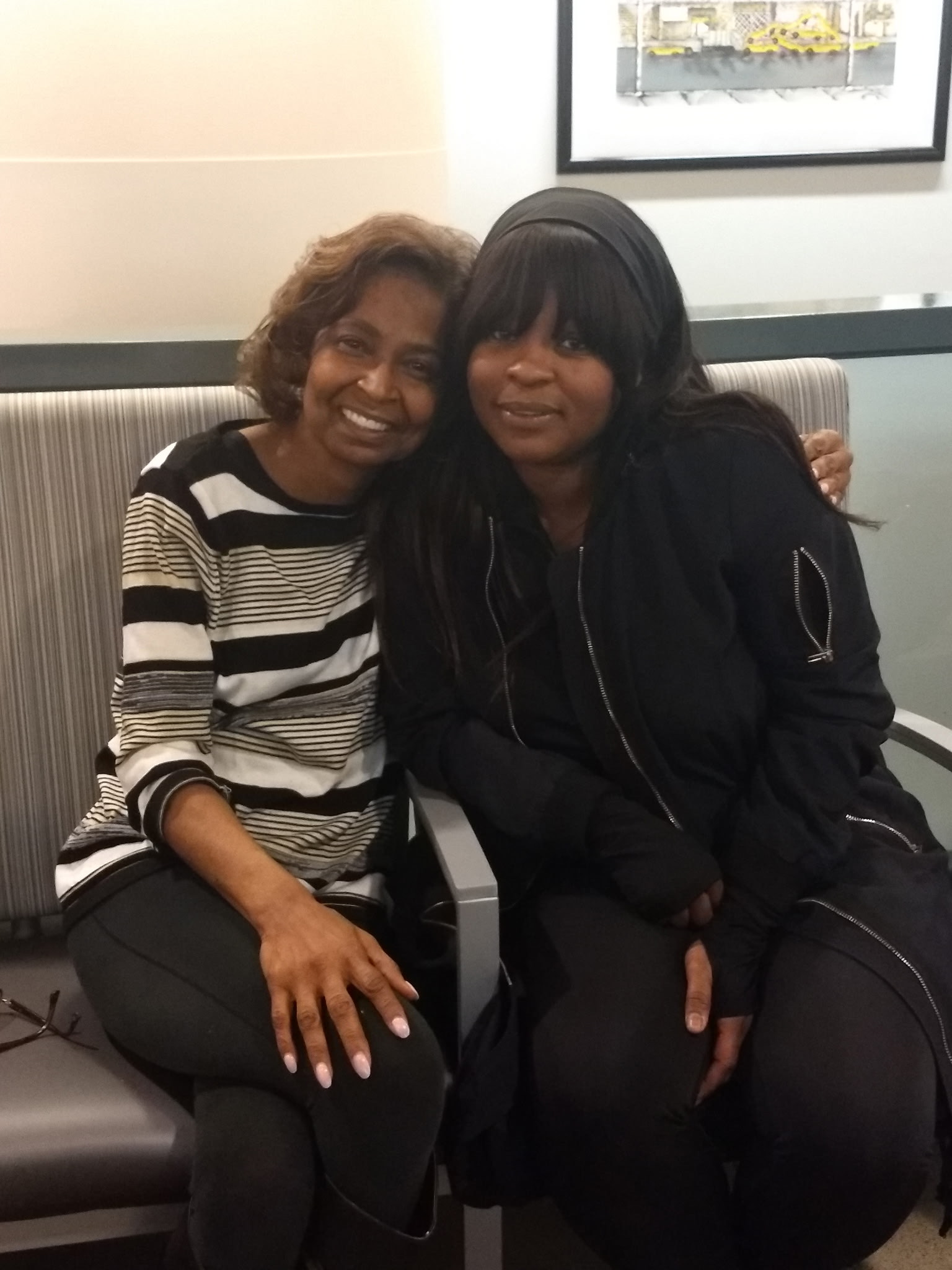
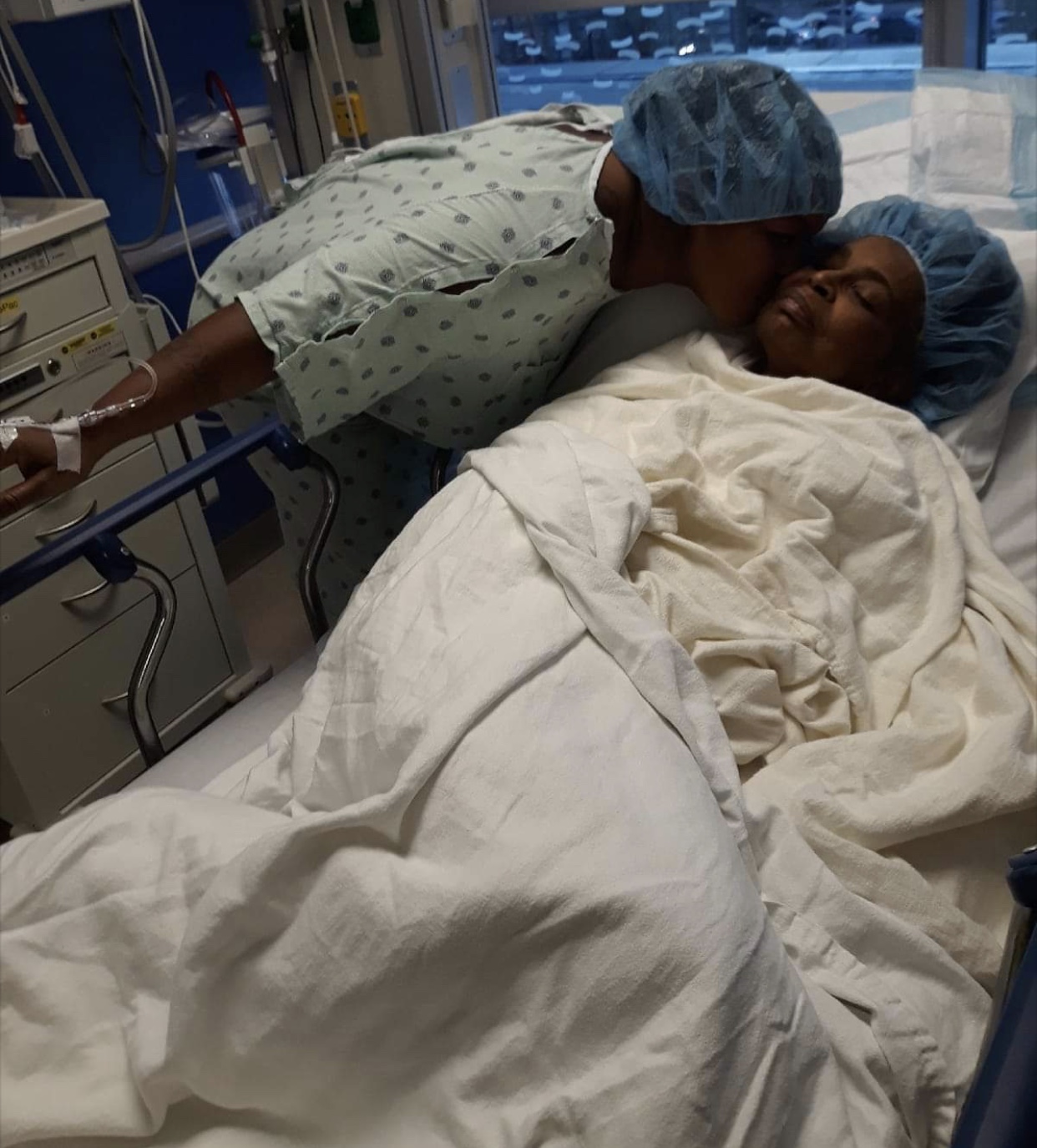
Greer had to pivot yet again. She was diagnosed with end-stage renal failure due to the long-term use of anti-rejection drugs. Greer underwent a kidney transplant in December 2018 at Johns Hopkins. Shanelle Hicks, Greer’s niece, became her living kidney donor who was chosen out of other family members to provide the kidney.
The New Jersey resident described her aunt as a giving and loving person who is all about helping the next person.
“She will go above and beyond, and she will always exceed expectations,” said Hicks. “It’s rewarding to be around her, to know her, and to be related to her. So, when I had the opportunity to do something for her, because she’s always doing something, it wasn’t even a question. God had guided us through that whole process. There were no hiccups in between. Everything was perfect.”
Hicks also said, “It was a blessing for me to help her.”
Donating a kidney to Greer helped Hicks to become more aware of her health. She stopped eating meat but now consumes seafood and vegetables. The experience also assisted her with a fitness journey.
Greer is also living an active, quality life and honors the memory of her deceased donor by taking care of her lungs and by being of service to others. She serves as an ambassador for Infinite Legacy, a nonprofit organ procurement organization. Greer speaks and lends a hand with administrative work. Greer volunteers in other capacities such as serving as chair of the Trial Court Judicial Nominating Commission for Prince George’s County, and she serves as a commissioner on the Consumer Protection Commission.
Hicks advised other people to consider becoming a living donor.
“Just take into consideration that you’re helping someone live a life, and that’s the rewarding part of it,” she stated.
Visit https://register.donatelifemaryland.org to learn more about organ, eye and tissue donation.
A wonderful person fantastic progress ,and BLESSINGS FROM GOD brought my sister along, and today she is in good HEALTH and SPIRITS.