
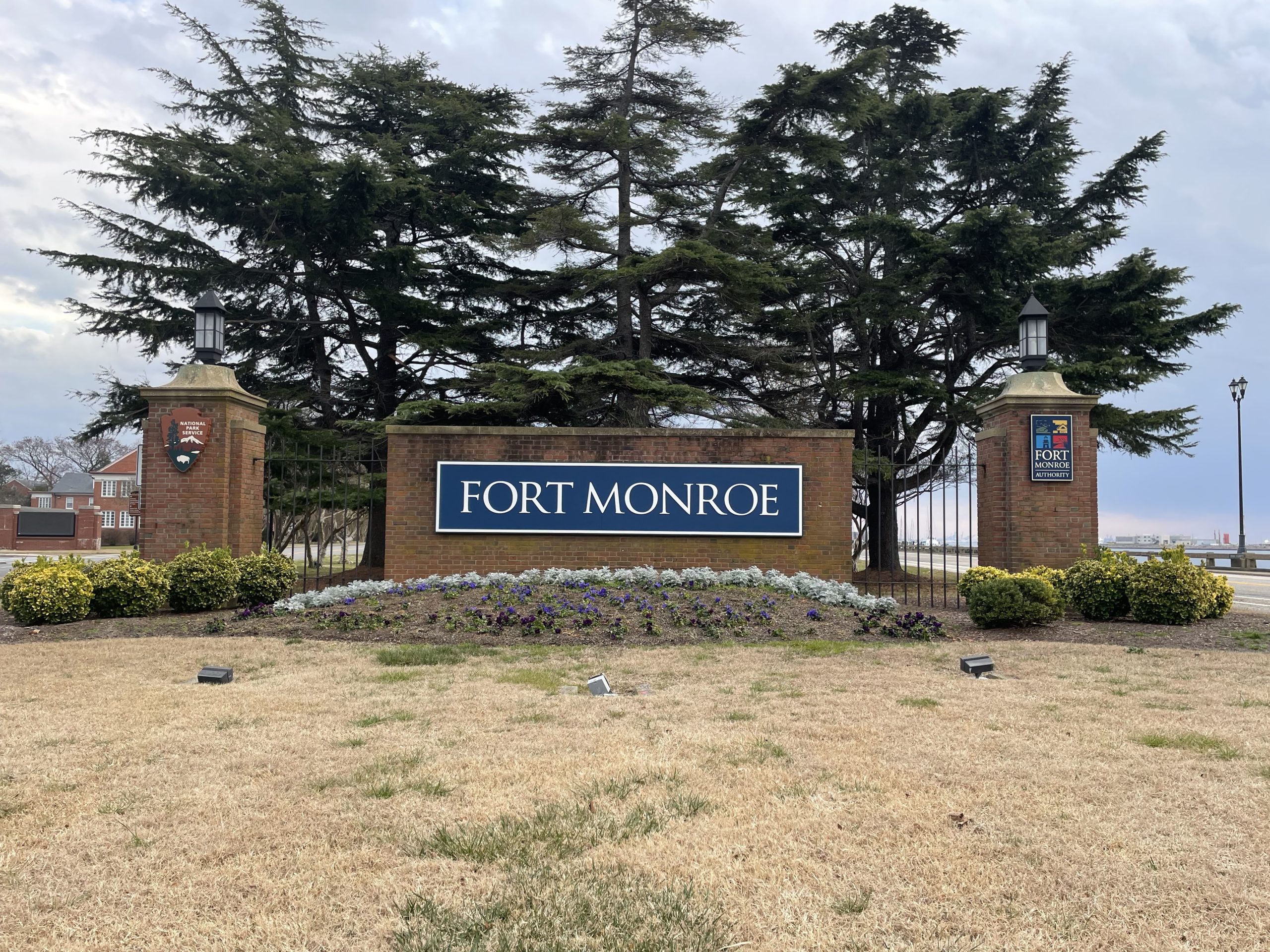
Elementary-aged school children are commonly taught that the first enslaved Africans were first brought to the Jamestown Colony in 1619. However, present-day Hampton, Virginia holds a lesser-known historical key that can be found and turned within a historic landmark. Fort Monroe (Fort Monroe National Monument)— the site of a decommissioned military installation closed in 2005.
Well before then, it was Old Point Comfort, the site where American slavery germinated.
“In late August of 1619, a ship flying a Dutch flag called the White Lion, and a couple days later the Treasurer, landed at Point Comfort looking to trade “20. and odd” enslaved Africans for supplies. This was the first documented trade of enslaved Africans in English-speaking North America,” said Aaron G. Firth, Park Ranger at Fort Monroe National Monument. “Some of the Africans are thought to stay here and the remainder taken on to the Virginia Colony capital at Jamestown.”
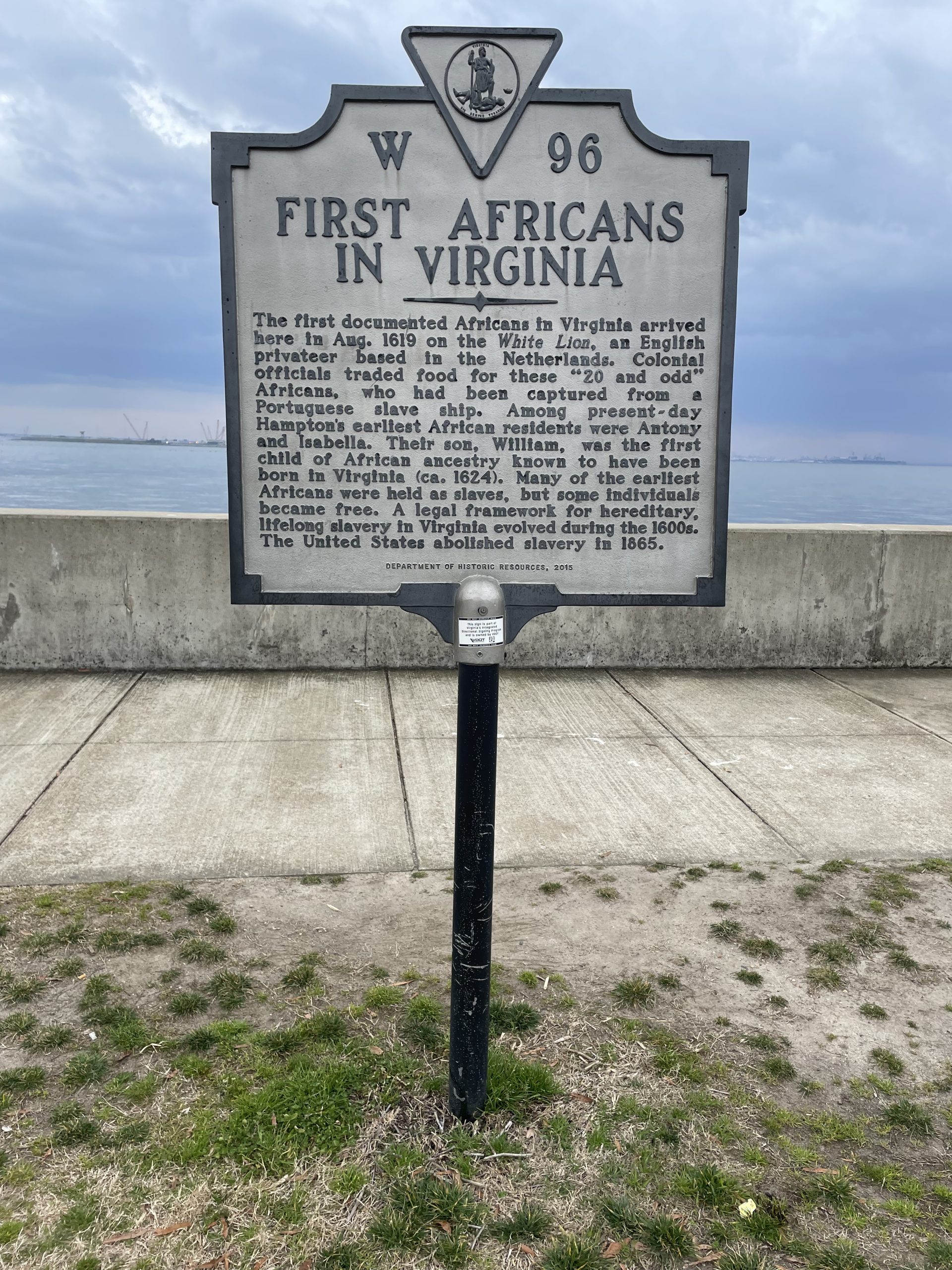
Firth stated that John Rolfe, Secretary of Virginia, recorded this history. The White Lion and the Treasurer were two English privateer vessels. They sailed to attack enemy commercial vessels during times of war.
Old Point Comfort transformed into Fort Monroe, which was constructed on the land known as Old Point Comfort, beginning in 1819, following the War of 1812. The United States needed stronger defensive capabilities, according to Firth.
Another historical twist involves the “Contraband Decision.” It led to enslaved people seeking freedom behind Union lines at Fort Monroe. This chapter began with three enslaved African descendants— known today as Frank Baker, James Townsend and Shepard Mallory, because of oral tradition.

The men were sent by the person claiming ownership of them to build gun positions for the Confederate forces, in the early days of the American Civil War at a place across the Hampton Roads waterway called Sewell’s Point, now known as Naval Station Norfolk.
“They had heard rumors that they were to be sent further South and that Virginia had on the 23rd of May, 1861 just confirmed the Virginia Ordinance of Secession to leave the Union and join the Confederacy by statewide referendum,” Firth said.
The trailblazers were aware that Fort Monroe was a U.S. Army fort. They hoped to find protection and freedom at the location.
Firth also explained that in the middle of the night, on the 23rd, the trio successfully traveled to the fort that was guarded by soldiers. They were kept at the guard house until Major General Benjamin F. Butler awakened the following day.
He had recently arrived to assume command of the Department of Virginia on May 22. His priority was not allowing the enemy to place guns that could harass the fort. The men informed Butler about their labors and other matters, including a request for protection and freedom.
However, Butler received word that a Virginia militia major was outside the fort in Phoebus, requesting the return of these “fugitive slaves,” under the Fugitive Slave Act of 1850.
Butler replied that the people of Virginia had just declared the intention to secede from the U.S., claiming not to be U.S. citizens. He reasoned that he was not compelled to enforce U.S. law for citizens of foreign countries.
Firth added, “If they wanted to swear allegiance to the U.S. then he might reconsider, knowing they wouldn’t want to do that. Further, these men had been sent to build gun positions capable of firing at the fort and U.S. military forces which was against the number one thing Butler was to not let people do. As such, he decided to employ a rule of war that states that someone who uses their property in rebellion is liable to have that property confiscated as a “Contraband of War.” If they were to claim that Baker, Townsend, and Mallory were “property,” then Butler would take them at their word and say that these enslaved men were subject to being confiscated and themselves considered “Contraband of War.”
Butler and the U.S. Army provided protection to them. The word spread that they were not returned to bondage. Freedom seekers flocked to Fort Monroe, a place that evolved into “Freedom’s Fortress.”
“Freedom seekers arrived by the score throughout the war across the country where the U.S. Army was, allowing for many “Contraband” communities to form,” Firth said.
An estimated tens of thousands moved into the Grand Contraband Camp, established in what is present day downtown Hampton.
“The accommodations were rough and cobbled together from what they could source,” Firth said.
“The Army was limited in supplies but committed to feed them and pay them for their labor. The camp was established by August of 1861 and occupied through the war.”
Nevertheless, slavery was still legal until the abolishment of the 13th Amendment in December 1865.
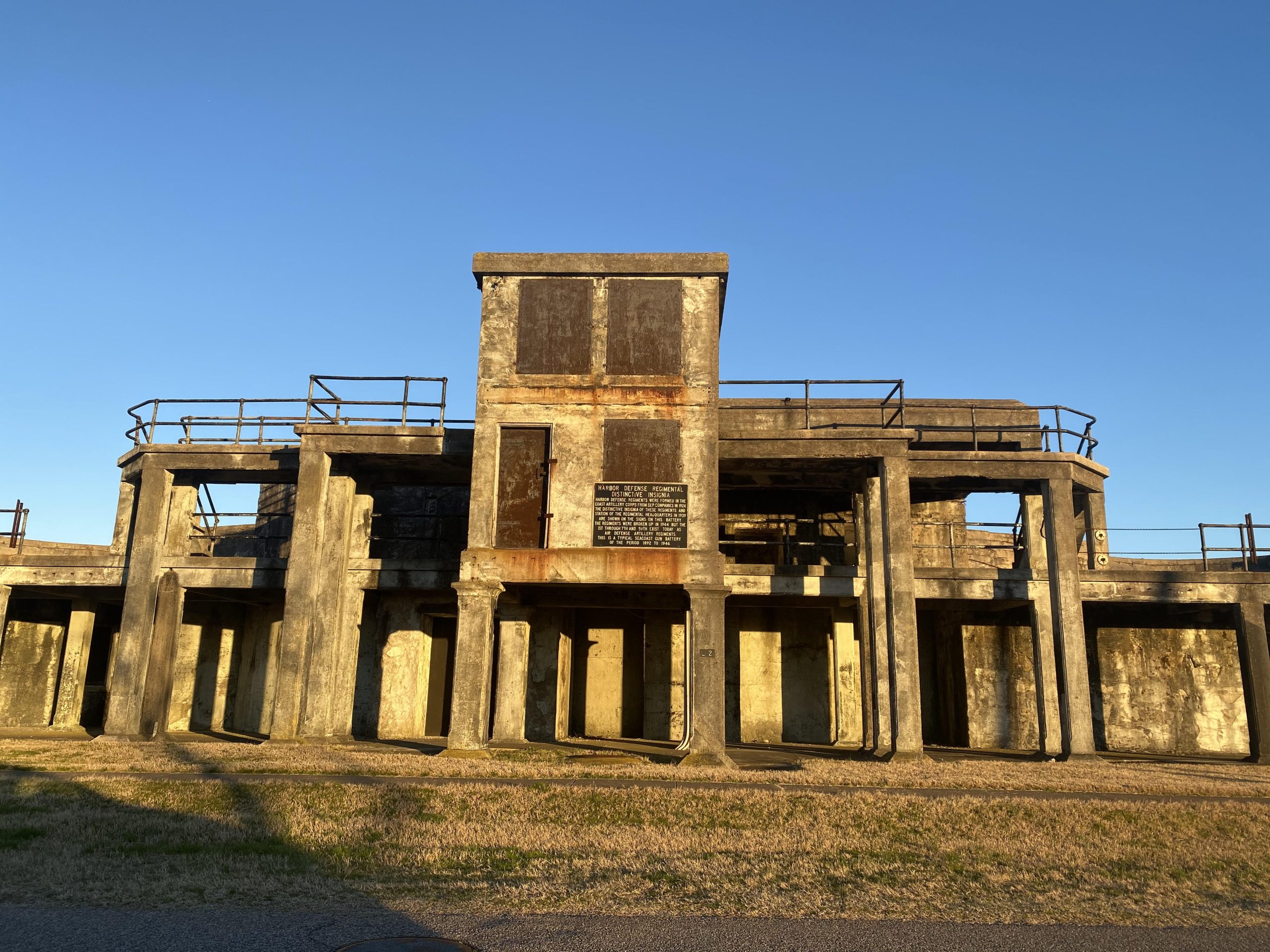
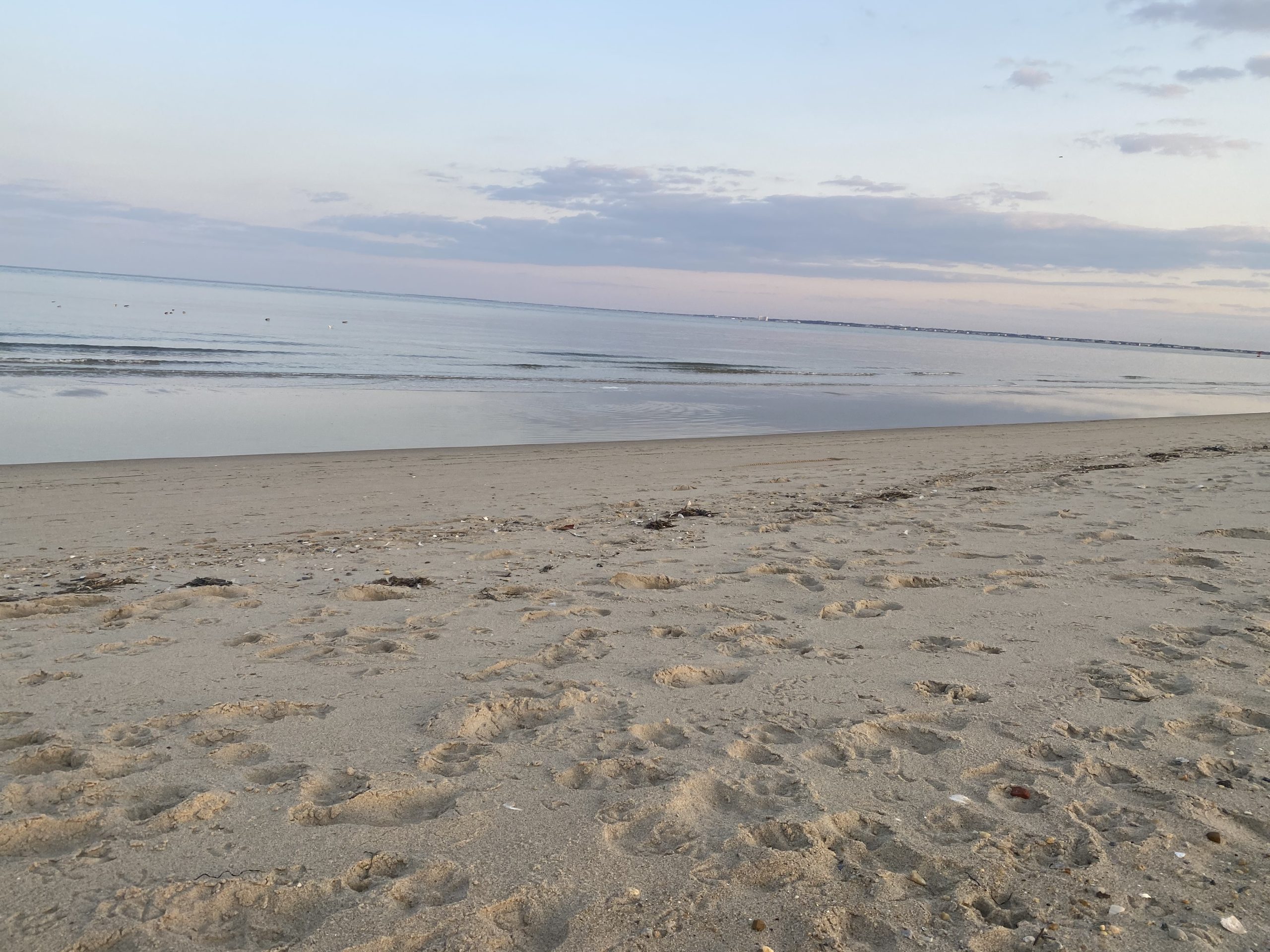
November 1, 2011, marked another pivotal date. President Barack Obama designated Fort Monroe as a National Park Service site. Today, visitors take road trips to enjoy the historical landmark. Locals trek to the sandy, public beach whenever mild weather allows. A visitor center; museum, restaurants; marina; historic features such as the largest fortification in the western hemisphere and Endicott Batteries; RV park campgrounds; fishing piers and more offerings are accessible to those who want to enjoy Fort Monroe’s rich history nestled within sounds of nature.
Firth also said, “Fort Monroe is also connected to other national park units and programs, such as Captain John Smith Chesapeake National Historic Trail and Underground Railroad Network to Freedom.”
Learn more about Fort Monroe via www.nps.gov/fomr and https://fortmonroe.org/
- Andrea Blackstone
- Andrea Blackstone
- Andrea Blackstone
- Andrea Blackstone
- Andrea Blackstone
- Andrea Blackstone
- Andrea Blackstone
- Andrea Blackstone
- Andrea Blackstone
- Andrea Blackstone
- Andrea Blackstone
- Andrea Blackstone
- Andrea Blackstone
- Andrea Blackstone
- Andrea Blackstone
- Andrea Blackstone
- Andrea Blackstone
- Andrea Blackstone
- Andrea Blackstone
- Andrea Blackstone
- Andrea Blackstone
- Andrea Blackstone
- Andrea Blackstone
- Andrea Blackstone
- Andrea Blackstone
- Andrea Blackstone
- Andrea Blackstone
- Andrea Blackstone
- Andrea Blackstone
- Andrea Blackstone
- Andrea Blackstone
- Andrea Blackstone
- Andrea Blackstone
- Andrea Blackstone
- Andrea Blackstone
- Andrea Blackstone
- Andrea Blackstone
- Andrea Blackstone
- Andrea Blackstone
- Andrea Blackstone
- Andrea Blackstone
- Andrea Blackstone
- Andrea Blackstone
- Andrea Blackstone
- Andrea Blackstone
- Andrea Blackstone
- Andrea Blackstone
- Andrea Blackstone
- Andrea Blackstone
- Andrea Blackstone
- Andrea Blackstone
- Andrea Blackstone
- Andrea Blackstone
- Andrea Blackstone
- Andrea Blackstone
- Andrea Blackstone
- Andrea Blackstone
- Andrea Blackstone
- Andrea Blackstone
- Andrea Blackstone
- Andrea Blackstone
- Andrea Blackstone
- Andrea Blackstone
- Andrea Blackstone
- Andrea Blackstone
- Andrea Blackstone
- Andrea Blackstone
- Andrea Blackstone
- Andrea Blackstone
- Andrea Blackstone
- Andrea Blackstone
- Andrea Blackstone
- Andrea Blackstone
- Andrea Blackstone
- Andrea Blackstone
- Andrea Blackstone
- Andrea Blackstone
- Andrea Blackstone
- Andrea Blackstone
- Andrea Blackstone
- Andrea Blackstone
- Andrea Blackstone
- Andrea Blackstone
- Andrea Blackstone
- Andrea Blackstone
- Andrea Blackstone
- Andrea Blackstone
- Andrea Blackstone
- Andrea Blackstone
- Andrea Blackstone
- Andrea Blackstone
- Andrea Blackstone
- Andrea Blackstone
- Andrea Blackstone
- Andrea Blackstone
- Andrea Blackstone
- Andrea Blackstone
- Andrea Blackstone
- Andrea Blackstone
- Andrea Blackstone
- Andrea Blackstone
- Andrea Blackstone
- Andrea Blackstone
- Andrea Blackstone
- Andrea Blackstone
- Andrea Blackstone
- Andrea Blackstone
- Andrea Blackstone
- Andrea Blackstone
- Andrea Blackstone
- Andrea Blackstone
- Andrea Blackstone
- Andrea Blackstone
- Andrea Blackstone
- Andrea Blackstone
- Andrea Blackstone
- Andrea Blackstone
- Andrea Blackstone
- Andrea Blackstone
- Andrea Blackstone
- Andrea Blackstone
- Andrea Blackstone
- Andrea Blackstone
- Andrea Blackstone
- Andrea Blackstone
- Andrea Blackstone
- Andrea Blackstone
- Andrea Blackstone
- Andrea Blackstone
- Andrea Blackstone
- Andrea Blackstone
- Andrea Blackstone
- Andrea Blackstone
- Andrea Blackstone
- Andrea Blackstone
- Andrea Blackstone
- Andrea Blackstone
- Andrea Blackstone
- Andrea Blackstone
- Andrea Blackstone
- Andrea Blackstone
- Andrea Blackstone
- Andrea Blackstone
- Andrea Blackstone
- Andrea Blackstone
- Andrea Blackstone
- Andrea Blackstone
- Andrea Blackstone
- Andrea Blackstone
- Andrea Blackstone
- Andrea Blackstone
- Andrea Blackstone
- Andrea Blackstone
- Andrea Blackstone
- Andrea Blackstone
- Andrea Blackstone
- Andrea Blackstone
- Andrea Blackstone
- Andrea Blackstone
- Andrea Blackstone
- Andrea Blackstone
- Andrea Blackstone
- Andrea Blackstone
- Andrea Blackstone
- Andrea Blackstone
- Andrea Blackstone
- Andrea Blackstone
- Andrea Blackstone
- Andrea Blackstone
- Andrea Blackstone
- Andrea Blackstone
- Andrea Blackstone
- Andrea Blackstone
- Andrea Blackstone
- Andrea Blackstone
- Andrea Blackstone
- Andrea Blackstone
- Andrea Blackstone
- Andrea Blackstone
- Andrea Blackstone
- Andrea Blackstone
- Andrea Blackstone
- Andrea Blackstone
- Andrea Blackstone
- Andrea Blackstone
- Andrea Blackstone
- Andrea Blackstone
- Andrea Blackstone
- Andrea Blackstone
- Andrea Blackstone
- Andrea Blackstone
- Andrea Blackstone
- Andrea Blackstone
- Andrea Blackstone
- Andrea Blackstone
- Andrea Blackstone
- Andrea Blackstone
- Andrea Blackstone
- Andrea Blackstone
- Andrea Blackstone
- Andrea Blackstone
- Andrea Blackstone
- Andrea Blackstone
- Andrea Blackstone
- Andrea Blackstone
- Andrea Blackstone
- Andrea Blackstone
- Andrea Blackstone
- Andrea Blackstone
- Andrea Blackstone
- Andrea Blackstone
- Andrea Blackstone
- Andrea Blackstone
- Andrea Blackstone
- Andrea Blackstone
- Andrea Blackstone
- Andrea Blackstone
- Andrea Blackstone
- Andrea Blackstone
- Andrea Blackstone
- Andrea Blackstone
- Andrea Blackstone
- Andrea Blackstone
- Andrea Blackstone
- Andrea Blackstone
- Andrea Blackstone
- Andrea Blackstone
- Andrea Blackstone
- Andrea Blackstone
- Andrea Blackstone
- Andrea Blackstone
- Andrea Blackstone
- Andrea Blackstone
- Andrea Blackstone
- Andrea Blackstone
- Andrea Blackstone
- Andrea Blackstone
- Andrea Blackstone
- Andrea Blackstone
- Andrea Blackstone
- Andrea Blackstone
- Andrea Blackstone
- Andrea Blackstone
- Andrea Blackstone
- Andrea Blackstone
- Andrea Blackstone
- Andrea Blackstone
- Andrea Blackstone
- Andrea Blackstone
- Andrea Blackstone
- Andrea Blackstone
- Andrea Blackstone
- Andrea Blackstone
- Andrea Blackstone
- Andrea Blackstone
- Andrea Blackstone
- Andrea Blackstone
- Andrea Blackstone
- Andrea Blackstone
- Andrea Blackstone
- Andrea Blackstone
- Andrea Blackstone
- Andrea Blackstone
- Andrea Blackstone
- Andrea Blackstone
- Andrea Blackstone
- Andrea Blackstone
- Andrea Blackstone
- Andrea Blackstone
- Andrea Blackstone
- Andrea Blackstone
- Andrea Blackstone
- Andrea Blackstone
- Andrea Blackstone
- Andrea Blackstone
- Andrea Blackstone
- Andrea Blackstone
- Andrea Blackstone
- Andrea Blackstone