
Early Detection is Key!
October is Breast Cancer Awareness Month, an annual observance devoted to educating everyone about breast cancer and the importance of early detection. According to the American Cancer Society (ACS), breast cancer is the most common cancer in women in the United States, except for skin cancers. One in eight women in the U.S. will be diagnosed with breast cancer.
The American Cancer Society (ACS) estimates this year in the United States, approximately 720 new cases of invasive breast cancer will be diagnosed in women and that about 42,250 women will die from breast cancer. Other troubling statistics lie within the disparities of cancer deaths. According to ACS, Black women have the highest mortality rates, and at every age, Black women are more likely to die from breast cancer than any other race or ethnic group.

The Baltimore County Health Department Chronic Disease Prevention Program has made educating communities with health disparities and poor health outcomes in communities of color one of their highest priorities!
As a primary care specialist with over 30 years of combined experience in family medical practice, correctional leadership and public health – and as a woman of color, I have seen the far-reaching impact of breast cancer and the devastating impact of mortality and other disparities when it comes to early diagnosis and treatment. These disparities can be linked to a variety of factors such as less access to high-quality treatment options and specialty care, providers who fail to embrace diversity, a lack of or inadequate health insurance, genetics, and other social determinates of health advocacy.
Moreover, Black women are statistically more likely to have diabetes, heart disease, and obesity, and are less likely to breastfeed after childbirth—all of which are risk factors for breast cancer. Black women, more than any other racial or ethnic group also have a higher risk of triple-negative breast cancer – an aggressive type of invasive breast cancer.
The good news is that the ACS estimates there are more than four million breast cancer survivors in the United States and many of them are women of color.
Early detection is key!
A breast self-exam (BSE) is a way to check for breast cancer, but studies show that it doesn’t offer the same early detection and survival benefits as other screening tests. A mammogram is an x-ray picture of the breast and is the best way to find breast cancer early when it is easier to treat and can lower the risk of dying.
Also, know the five warning signs of breast cancer beyond feeling a lump: Nipple discharge; feeling a mass near the breast; swelling and redness; dimpling or divot in breast or nipple; and sudden changes in the size of one breast.
The Baltimore County Department of Health is here to HELP! (Have Everyone Learn Prevention!) We offer many resources and services to Baltimore County residents including mammograms and clinical breast exams through our Cancer Prevention Programs. These services include screenings, connecting residents with resources, and diagnosis and treatment. For more information, call (410) 887-3456 or visit hhs@baltimorecountymd.gov.
During Breast Cancer Awareness Month, I also encourage you to join me and others around the world by wearing pink ribbons (Wear It Pink Day is October 18, 2024) to honor survivors, remember those lost to the disease, and support the progress we are making together to eradicate breast cancer.
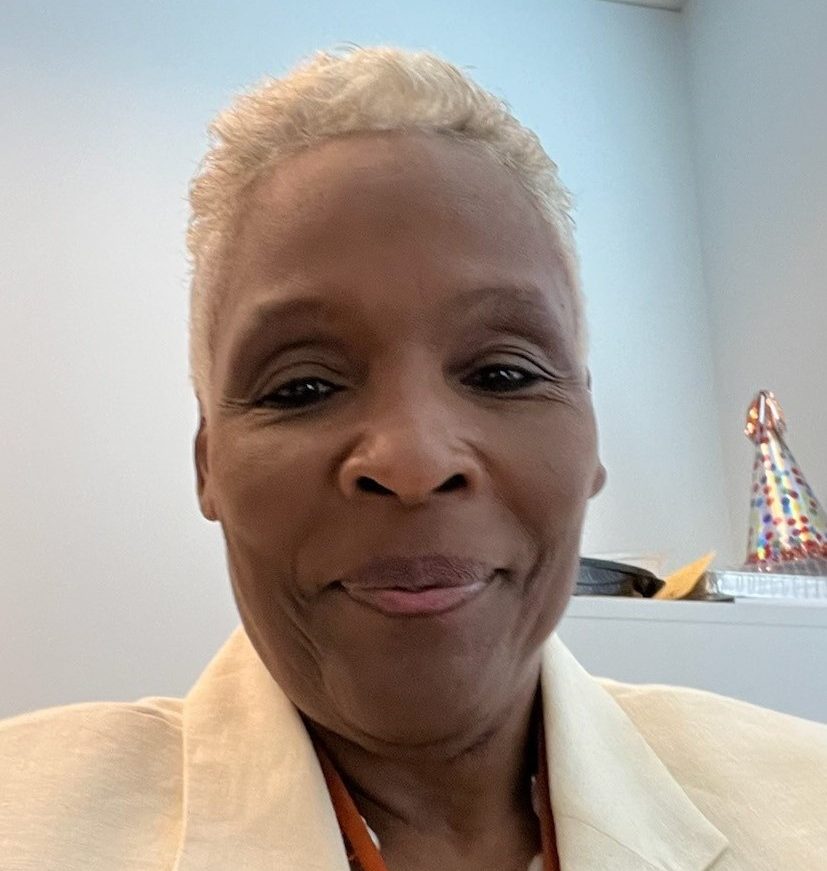
Dr. Baucom-Myers currently serves as a Physician II at the Baltimore County Department of Health and Human Services’ Chronic Disease Prevention unit. Recognizing that chronic diseases like cardiac disease, stroke, obesity, high blood pressure, and diabetes are major contributors to overall poor health outcomes, Dr. Baucom-Myers and her team work diligently to combat these and similar issues. They use the acronym H.E.L.P. to advance their agenda to Have Everyone Learn Prevention!