
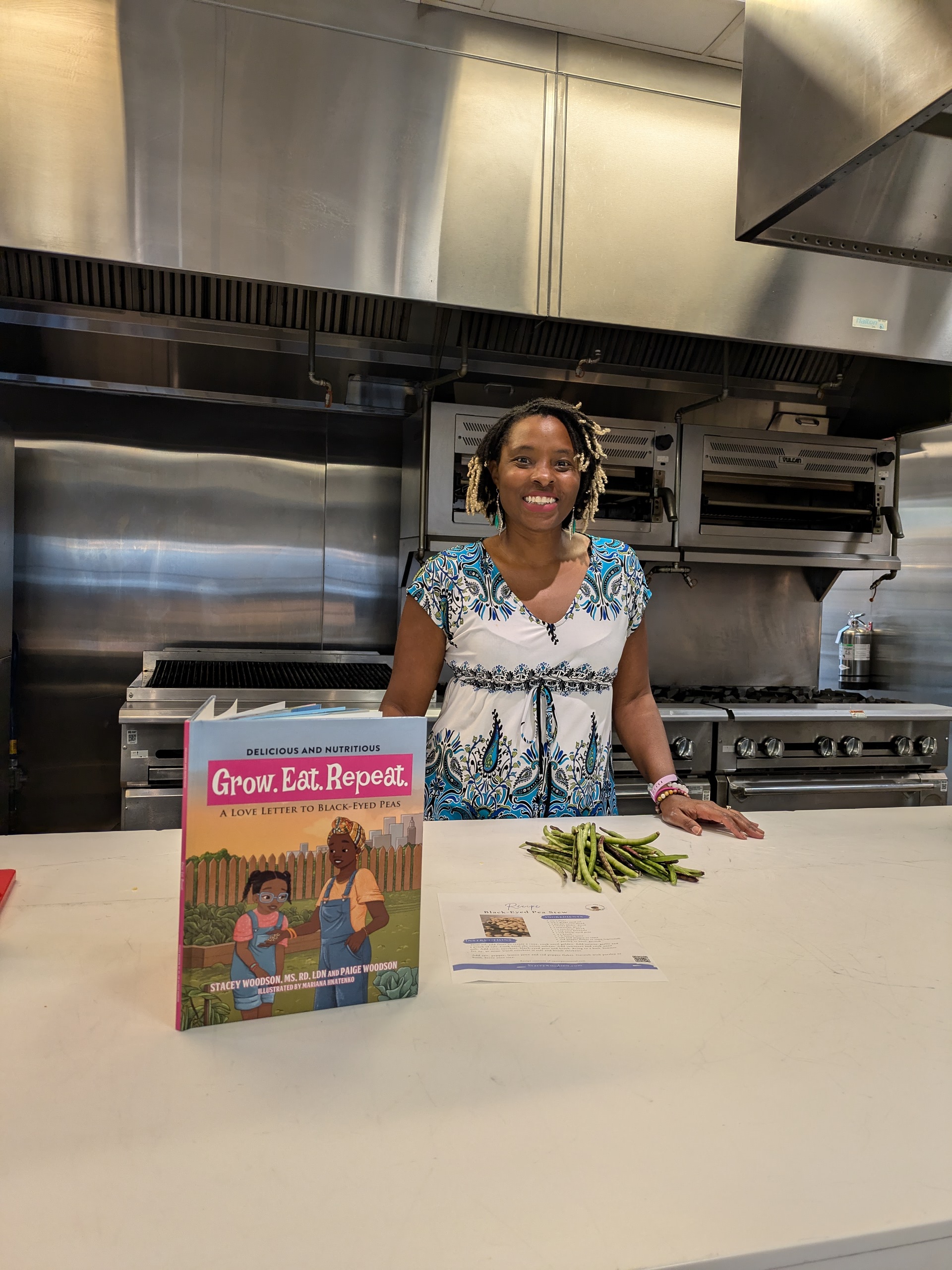
Stacey Woodson, MS, RDN, LDN, a registered dietitian and author believes in improving health with nutrition and nature. During Vegetarian Awareness Month, Woodson provides information about vegetarianism and how to explore the benefits of celebrating veggie-loving with an expert perspective.
Q: What do vegetarians eat?
A: Vegetarians primarily eat foods that come from plants. They eat a wide variety of foods including fruits, vegetables, grains, nuts and seeds. Vegetarians do not eat meat or the flesh of animals. However, some vegetarians choose to eat animal by-products such as milk, cheese, yogurt and eggs.
Q: What are the benefits of eating a vegetarian diet?
A: Plants offer many different nutrients, including carbohydrates, vitamins, minerals, fiber, and antioxidants. Additionally, some plants including beans and lentils provide protein. Avocados and olives offer cardioprotective fats. Therefore, consuming a balanced vegetarian eating pattern can provide a diet that is rich in important nutrients, yet low in salt, sugar and fats. Following this type of lifestyle can be beneficial for weight management and preventing or managing chronic diseases.
Q: What is a pescatarian?
A: A pescatarian is a type of vegetarian who chooses to include seafood (fish and shellfish) in their diet.
Q: Is this diet a good alternative for those who do not want to fully eat a vegetarian diet?
A: Many people struggle to meet their protein requirements on a vegetarian diet. So, a pescatarian diet can be a good alternative as seafood is a good source of protein.
Q: What is Meatless Monday? What are a few other things people can do to eat a diet closer to vegetarian options without taking a full plunge?
A: Easing into eating more plant-based meals can be a great way to transition into a vegetarian lifestyle. A lot of people will start with “Meatless Mondays,” a term referring to eating vegetarian meals on Mondays. One-pot meals, soups and stews are great options for meatless meals because they are hearty and flavorful, making the absence of meat less noticeable.
Alternatively, many people choose to become flexitarians, following a mostly vegetarian diet but occasionally eating meat. This is an excellent option for people who would like to increase their intake of plant-based foods but may be nervous about committing to a totally vegetarian lifestyle.
Q: Should people consult a doctor before making major changes such as becoming a vegetarian?
A: Eating a vegetarian diet can be beneficial for your health. However, careful consideration must be given when planning meals to prevent nutritional deficiencies. It is a good practice to consult with a doctor or registered dietitian before starting a vegetarian diet.
Q: Can any side effects arise because of a dietary change or not eating meat?
A: The most common side effect of consuming a vegetarian diet is suffering from nutrient deficiencies. Vegetarian diets are more likely to be low or lacking in vitamin B12, iron, calcium and zinc. Common symptoms may include fatigue, weakness, anemia, brittle nails or a weakened immune system.
Q: How should they be addressed?
A: To prevent deficiencies, I suggest eating a variety of foods from each of the different food groups. I also recommend taking a daily multivitamin.
If you suspect that you may be suffering from a nutritional deficiency, schedule an appointment with your doctor. Your doctor can order blood tests to confirm any deficiencies and prescribe supplements to correct them, if needed.
Q: What are some health benefits of skipping meat?
A: Meat offers many essential nutrients. However, reducing meat consumption can have many positive impacts on your health. Plant-based diets are typically higher in fiber, which is beneficial for digestive health, stabilizing blood sugars and weight management. Additionally, reducing meat intake can lower the risk of heart disease, high blood pressure and certain cancers. Finally, plant-based meals are often less expensive than meals that contain meat.
Q: What are a few ingredients that can be used to make food taste more soulful, have a meat texture, or appeal to people who are used to eating pork, barbecue or soul food?
A: Adjusting to eating a meatless diet can be a difficult transition for some people. Therefore, using foods that resemble the texture or taste of meat can increase adherence to a vegetarian lifestyle. My favorite high-protein meat alternatives are lentils, beans, chickpeas and tofu.
Shredded oyster mushrooms and jackfruit can be used to mimic barbecue dishes such as pulled pork. Their texture is similar to shredded meats. My favorite seasonings that provide a savory flavoring to meatless meals are liquid amino acids and nutritional yeast.
Learn more about Woodson and her books by visiting: staceywoodson.com.
The content in this article is for informational purposes only and should not replace professional medical advice.