
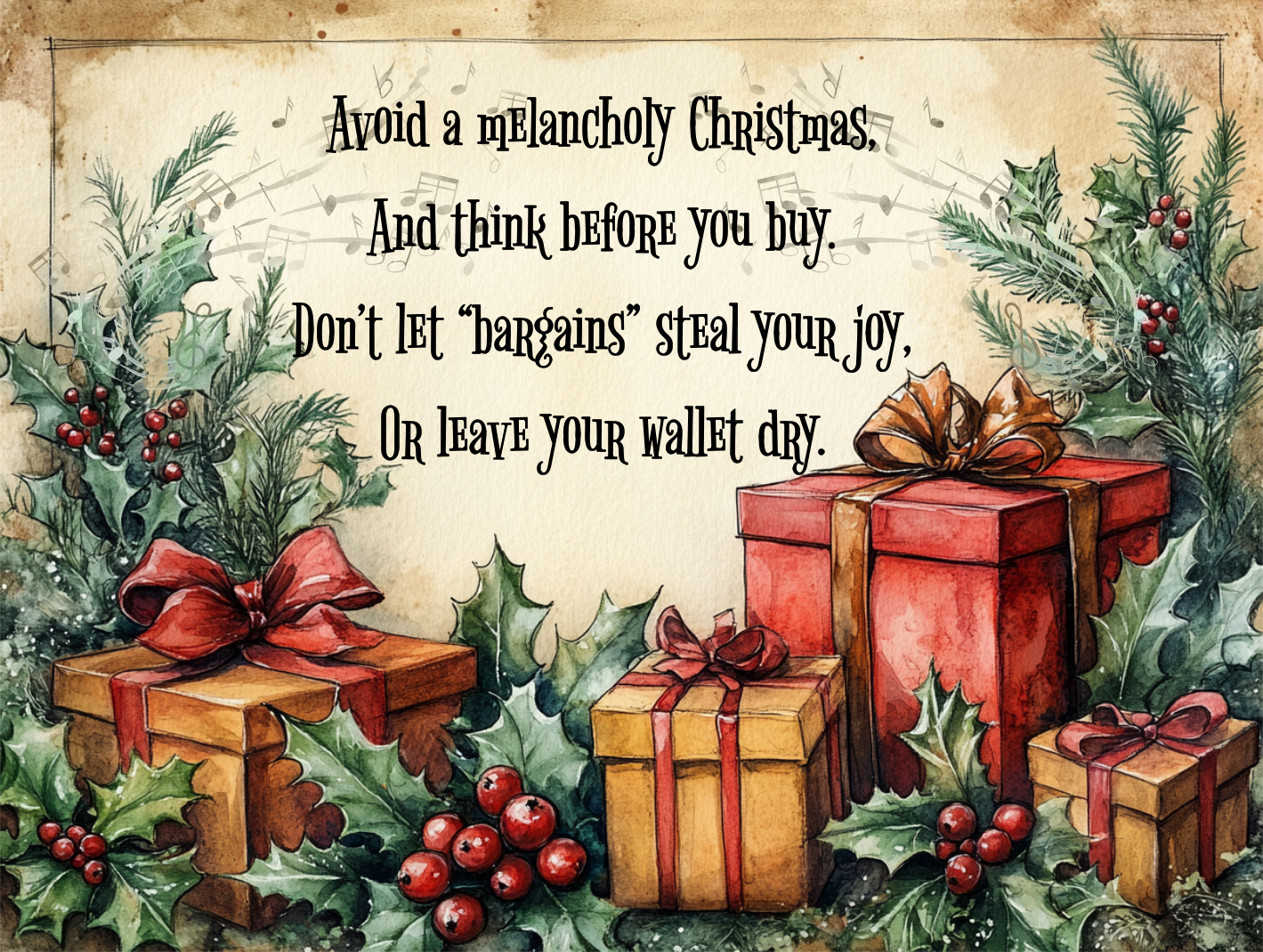
It’s that time of year again! There’s excitement in the air as children anticipate the gifts they will receive, and grown folk look forward to spending quality time with family and friends. Or maybe you are looking forward to a quiet contemplative period of reflection on the year’s journey with hope for a new year. Either way, whether you are shopping in the stores or online or anticipating receipt of a package, make sure you keep your “holly-jolly” intact. As we approach the holidays in 2024, here are my top two scams to watch out for and tips to protect yourself.
Fake Delivery Scams: These scams are a growing threat, particularly during the holiday season when online shopping spikes, and people eagerly await packages. Scammers send fake shipping notifications via texts or emails claiming to be from UPS, FedEx, or other carriers. These messages can trick you into revealing sensitive information or paying bogus fees. They often include a link to a fake website that mimics the legitimate delivery service. Clicking on the link allows the scammer to install malware on your device or harvest your information for identity theft or financial fraud. Additionally, they may leave counterfeit notices on your door or in your mailbox, instructing you to call a number or visit a website to claim your package. These notices also can lead to phishing attempts or fraudulent transactions if you act on the notice.
To protect yourself, consider taking the following steps:
- Verify the Source: Check the sender’s email address or phone number. Scammers often use addresses that resemble legitimate services but include subtle differences, like extra letters or unusual domains.
- Avoid clicking on links or calling numbers in unsolicited messages: Contact the delivery service directly through their official website or customer support.
- Be Wary of Unsolicited Messages: If you weren’t expecting a package or the message is vague about what is being delivered, it’s likely a scam. Legitimate delivery companies typically don’t send text messages or emails requiring sensitive information or immediate payment.
- Inspect Websites Carefully: Scammers create fake websites that look like official delivery portals. Check the URL to ensure it starts with “https://” and matches the company’s legitimate domain. Do not enter any personal or financial information on questionable websites.
- Don’t Rush: Scammers often use urgency to pressure you into acting without thinking. Take your time to verify the legitimacy of any communication.
- Enable Delivery Tracking: When you order items online, sign up for official tracking alerts directly from delivery services for any packages you expect. This minimizes your reliance on unsolicited messages.
Fake Online Retailers: Online shopping continues to dominate holiday spending, and scammers are taking full advantage. Fake websites that mimic legitimate retailers pop up every year, luring shoppers with offers that seem too good to be true. These websites often sell counterfeit goods or collect payment for items that never arrive.
Protect yourself by keeping the following in mind:
- Stick to well-known retailers: Avoid clicking on links in unsolicited emails or advertisements. Instead, navigate directly to the retailer’s official website. Be cautious of deals that sound unrealistic, especially on social media platforms.
- Research the Retailer: If you are unfamiliar with the retailer, look up reviews and feedback from other shoppers. Additionally, websites like Trustpilot or the Better Business Bureau can provide insights into a retailer’s reputation.
- Verify the Website’s Authenticity: Use tools like Google’s “Safe Browsing Transparency Report” to check if a website is flagged as unsafe. Visit the official website of the brand directly instead of clicking on links in ads or emails.
- Pay Securely: Use credit cards or secure payment platforms (e.g., PayPal) that offer buyer protection. Avoid using debit cards or direct bank transfers, which are harder to recover in case of fraud and never save your payment details on unfamiliar websites.
- Enable Alerts: Set up alerts on your bank account or credit card to notify you of any unauthorized transactions.
In short, staying vigilant is your best defense against scams. Take your time when shopping or responding to messages. Rushed decisions are often what scammers count on. Question the legitimacy of emails, offers, and websites before acting, and trust your instincts if something feels off. A little extra scrutiny can save you from falling victim to fraud, ensuring your holiday season remains joyful and stress-free. Remember, it’s always better to double-check than to regret later. Stay safe, stay informed, and enjoy the holidays with peace of mind.

Courtesy, Karen Clay