
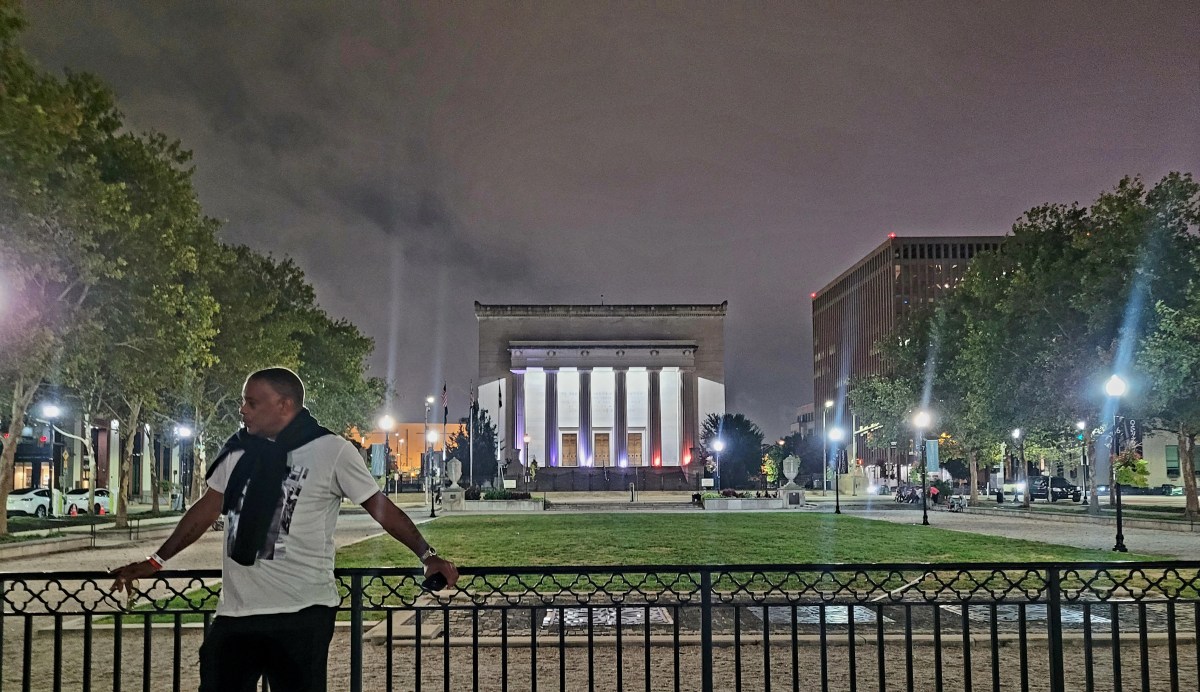
Baltimore’s iconic summer tradition, Jazzy Summer Nights, is preparing for its final curtain call. On Thursday, October 2, the series will host its 25th season finale at Baltimore City Hall, a sendoff that will feature hometown legends Dru Hill in a long-awaited homecoming performance.
What began in 2000 as a small gathering at Hopkins Plaza grew steadily into one of Baltimore’s most anticipated cultural events, blending music, community, and commerce. Over the years, the series has offered a stage to artists who embody the sound and soul of the city, while creating space for thousands of residents to connect across neighborhoods.
LaRian Finney, founder of Jazzy Summer Nights and managing partner of The Finn Group, reflected on the event’s journey. “We created Jazzy Summer Nights as a way to highlight the soul of Baltimore, and for 25 years, it’s done exactly that. This series has been bigger than music, it’s about legacy, local business, culture, and joy. Thanks to our incredible partners, we’re ending this chapter with love, energy, and spirit that reflects all that Baltimore is.”

This season has been a celebration of that legacy. Audiences have gathered for standout performances by Kindred the Family Soul, Raheem DeVaughn, Go-Go All Stars with the Queens of Go-Go, and Lady Alma. The finale, anchored by Dru Hill, promises to be both a reunion and a tribute to the city that shaped the group’s sound.
The atmosphere of each “Jazzy” night has been carefully curated by April Watts, who served as “Vibe Creator,” alongside a roster of Baltimore’s best DJs including DJ NO-ID, DJ Kenny K, DJ Keebee, DJ Supreme, DJ Farrah Flosscett, DJ Tanz, and DJ Quicksilva. For the finale, DJs P Drama and DJ Flow will keep the crowd moving, ensuring that the last chapter is as electric as the first.
For a generation of Baltimoreans, Jazzy Summer Nights has been more than a concert series—it has been a gathering place that lifted local talent, supported small businesses, and created memories under the city’s summer skies. Its farewell will not only mark the end of an era but also cement its place in the cultural history of Baltimore.