
The 2025 Black History Month theme is “African Americans and Labor.” The Association for the Study of African American Life and History (ASALH) notes that the theme sets out to highlight and celebrate the potent impact of this work. In recognition of this theme, The Baltimore Times will publish articles highlighting key individuals in labor who have wax figures in their likeness at the National Great Blacks in Wax Museum (NGBIW).
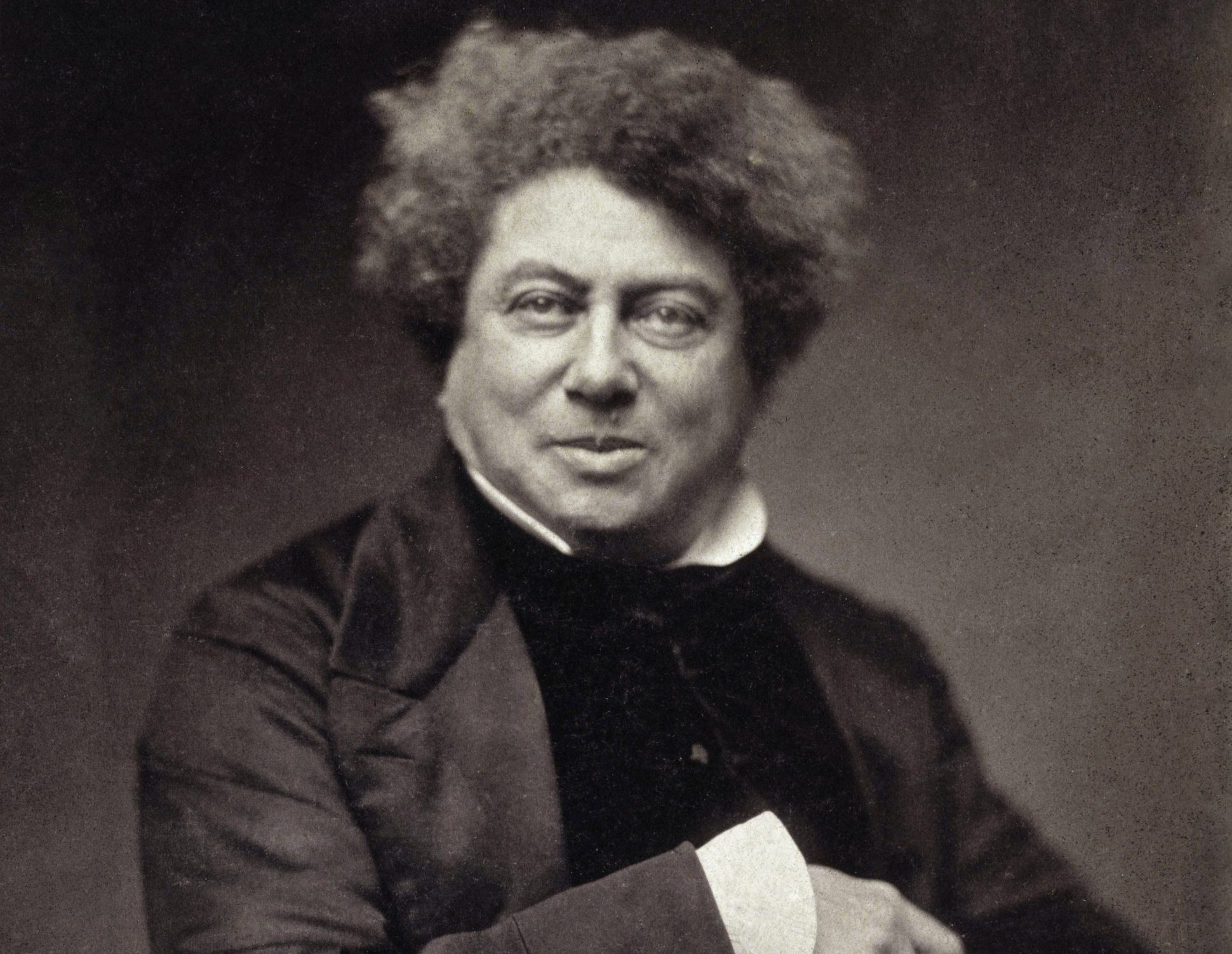
“The Three Musketeers” and “The Count of Monte Cristo” are classics and are considered by many to be among the greatest literary works ever written. The man who authored the words to these famous works is French novelist and playwright Alexandre Dumas, père – the grandson of a French nobleman and a slave.
Dumas’s father was Thomas-Alexandre Davy de La Pailleterie, the son of the Marquis de La Pailleterie and Marie Cessette Dumas, a Black slave of Santo Domingo. Dumas’s mixed heritage came with discrimination and other challenges, but did not prevent him from becoming one of the most prolific writers of all time.

Dumas, born July 24, 1802, is credited with writing more than 40 novels, which have been adapted into nearly 200 films and translated into more than 100 languages. Dumas’s labor lives on through his many written works. A tribute to his literary ingenuity is also immortalized through a likeness at the National Great Blacks in Wax Museum (NGBIW).
Located at 1601-1603 E. North Avenue, NGBIW was established in 1983 by Dr. Joanne Martin and her late husband, Dr. Elmer Martin.
“People know ‘The Count of Monte Cristo,’ and they know ‘The Three Musketeers’ movie,” said Dr. Martin. “They might know the name Alexandre Dumas but it’s a shock to people that we’re talking about a Black man. He also wrote ‘The Man in the Iron Mask.’ A lot of work went into his productions and books which were extraordinary.”
Dumas reportedly could pass as white due to his light skin, but he faced racism throughout his life.
“Some portray Dumas as a white man, but when you see him, you will see a Black man,” said Dr. Martin. “It was important to Elmer to have a wax figure of Dumas that truly reflected his heritage, and that was a wax figure to us. At Great Blacks and Wax, that is our uniqueness.”
Dumas’ wax likeness is among 10 of the museum’s figures currently on display at the Fashion Centre in Pentagon City. The figures are exhibited on the second floor of the mall in observance of Black History Month.
According to Britannica, Dumas worked initially as a notary and then as a Secretary to the Duke of Orleans, who later became French King Louis Philippe. Dumas immersed himself in literature and literary circles and started writing plays. His theatrical pieces consisted of both comedies and dramas. He also began writing for magazines and authored a collection of travel books and cookbooks. His writing career began to flourish, and he expanded to novels and other works.
Britannica notes Dumas’ memoirs, which, with a mixture of candor, mendacity, and boastfulness, recount the events of his extraordinary life, and also provide a unique insight into French literary life during the Romantic period.
Dumas père (French for “father”) was the father of the dramatist and novelist Alexandre Dumas, fils (French for “son”). Dumas fils’ works include “La Dame aux camélias,” adapting the story into a play known in English as “Camille.”
The elder Dumas died December 5, 1870 with Britannica describing his memories as “a treasure trove for those seeking a deeper understanding of French literary life during the Romantic period, illuminating the passions and controversies that shaped his era.”
“There is so little known about Alexandre Dumas, Sr.,” said Dr. Martin. “He was such a brilliant writer. He authored fictional books and plays that had a real-life basis and are such an important part of history.”
For more information about this year’s Black History Month theme, visit https://asalh.org/black-history-themes/. To learn more about Alexandre Dumas, père visit
https://www.britannica.com/biography/Alexandre-Dumas-pere. NGBIW hours, exhibits, and other information can be found on https://www.greatblacksinwax.org/.