
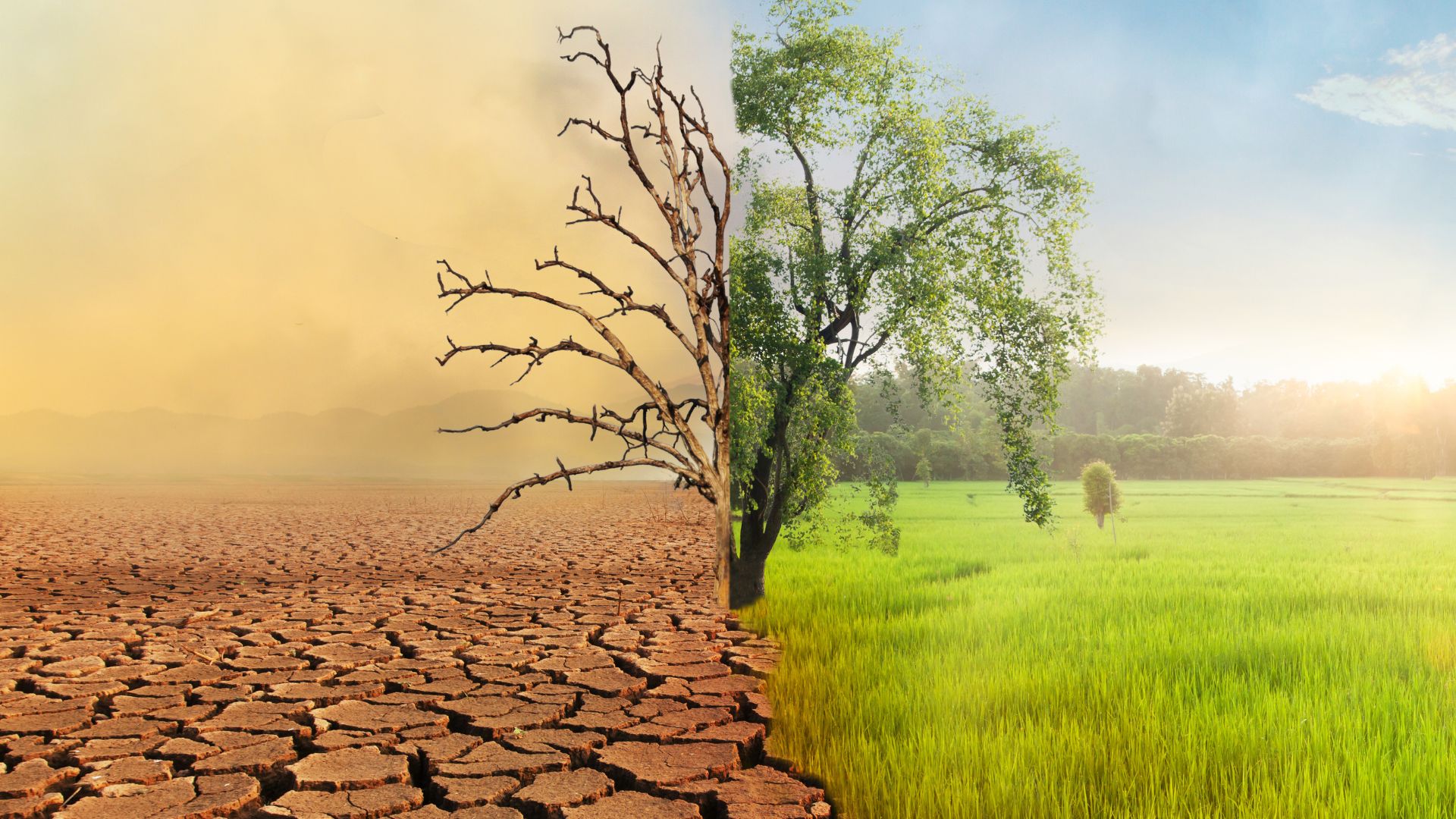
HB 516 The Climate Crisis and Environmental Justice Act of 2024 (CCEJ), introduced in Maryland this session by Delegate Diana Fennell, provides funding to reach Maryland’s climate targets. Accordingly, the CCEJ fulfills the Moore Administration’s pollution reduction plan recommendation for a funding mechanism to help provide $1 billion annually to achieve the state’s climate pollution reduction goals and invest in our state’s communities and local economy.
The annual average revenue generated from the CCEJ pollution fee is estimated to be $1.7 billion, amounting to $17.7 billion between 2025–2034, for investment in clean energy infrastructure while providing protective benefits to Maryland’s most vulnerable populations and trade-exposed small businesses. Main provisions and benefits of the CCEJ include:
● Establishing two separate funds for investing in green infrastructure and providing protective benefits to disproportionately affected households and employers. ● Gradually increasing the price of carbon pollution, which offers energy companies certainty for future planning, while including a no-pass through provision that protects consumers.
● Incentivizing locally produced renewable energy, which creates jobs, economic vitality, and investments in public goods.
The CCEJ allocates 5% of the revenue each year (estimated to be $75 million annually) to cover administrative costs including properly staffing agencies responsible for implementing the policy.
It will take bold action and collaboration to advance innovative solutions to the climate crisis in Maryland and achieve net-zero emissions by 2045. The state needs to enact new carbon reduction policies that will enable Maryland to reach deeper pollution reductions while establishing a framework that keeps more energy dollars local, creates new jobs, and protects vulnerable sectors including disproportionately affected and low- and moderate-income residents.
Big oil companies have known about the negative effects of climate change from carbon dioxide emissions since the 1970’s. It’s time we held them responsible for
Wandra Ashley-Williams
mitigating the destructive impacts to Maryland’s lands, history, and economy, as well as to the health, traditions, and prospects of its people.
We can’t continue to kick the can down the road. We must take action now to protect our planet for future generations. Our taxpayers shouldn’t be burdened with the cost of mitigating the damages pollution has caused to the State.
The CCEJ is designed to leave no Marylander behind.
Wandra Ashley-Williams
Owings Mills, Maryland