
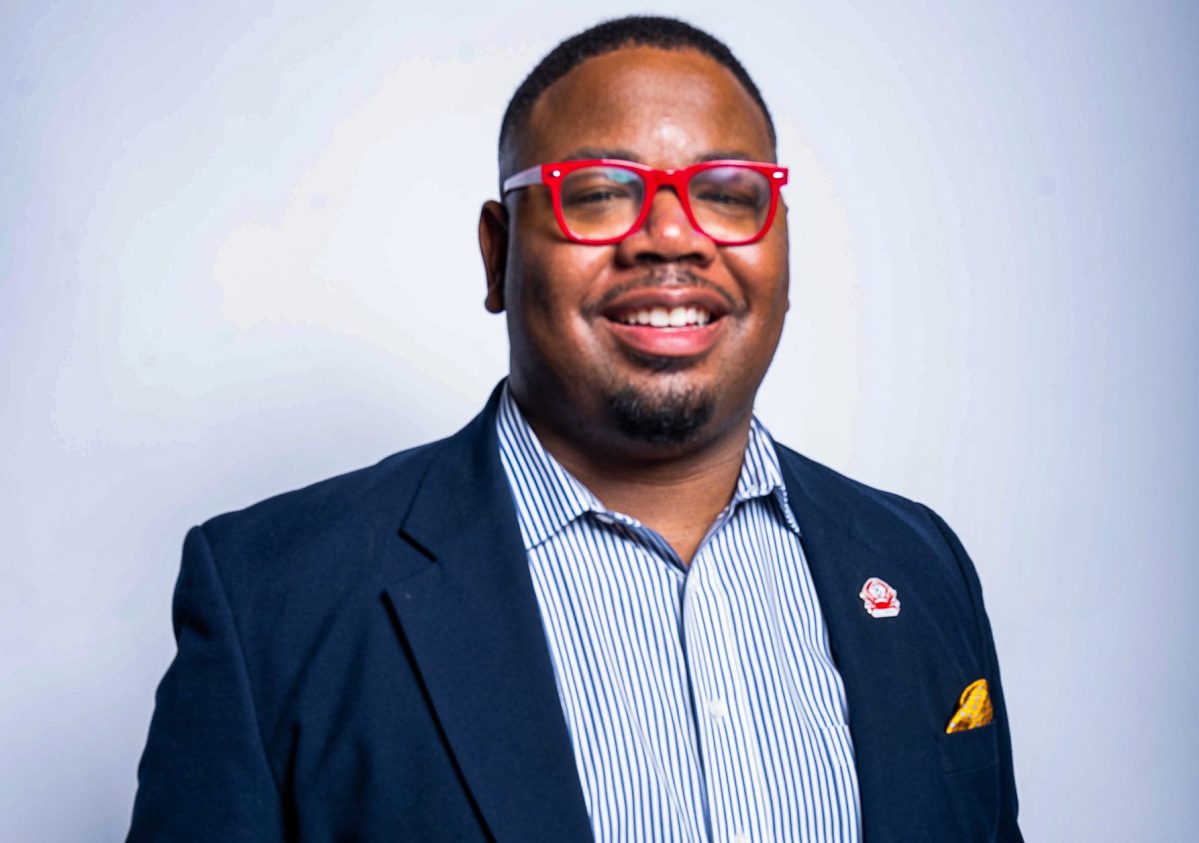
Lately, my life has felt like a whirlwind of overlapping roles. I’m an IT consultant by trade, deeply invested in human services and economic development by passion, and—somewhere along the way—I became a guest writer for The Baltimore Times. The pace can be overwhelming, and at times disorienting, but it has given me something invaluable: a clearer view of the widening gap between how we talk about technology in Baltimore and how residents actually experience it.
That gap became especially visible when Baltimore was designated a federal tech hub by the Biden administration. The announcement was met with well-earned celebration and the promise of prioritized federal investment. When I first heard the news, I was genuinely excited. I imagined a future where Baltimore could become a Black Silicon Valley—one where residents across neighborhoods could access meaningful careers in technology, not just watch them happen around them.
But that excitement faded quickly.
It soon became clear that when policymakers said “tech,” they were largely referring to quantum science and biotechnology—fields that require advanced degrees in physics, engineering, or highly specialized sciences. Even with more than a decade of experience in technology, I wouldn’t qualify for many of those jobs. The disconnect was striking: we were positioning Baltimore as a cutting-edge tech city while leaving most of its residents outside the conversation.
That contradiction becomes even more troubling when placed alongside the data. Baltimore ranks near the bottom among major U.S. cities for home broadband access. Nationally, nearly every job now requires some level of digital skill, yet only a fraction of the workforce possesses them. In lower-income communities, basic digital literacy remains out of reach for far too many people. At the same time, the vast majority of future jobs—especially those today’s children will hold—haven’t even been invented yet, but will almost certainly be rooted in technology.
So the question becomes unavoidable: how do we reconcile a city investing in advanced, elite tech sectors while so many residents lack basic internet access or computer skills?
That question took on new urgency in November 2022, when ChatGPT entered the public consciousness and permanently altered how work gets done. I’ll admit I was a slower adopter, cautious of the hype that often accompanies new technologies. But once I leaned in, the implications were undeniable. Tasks that once took days—or weeks—of brainstorming, drafting, and revising could now happen in minutes. AI wasn’t just another tool; it was a force multiplier.
And that’s when the concern deepened. Technology isn’t slowing down to wait for us to catch up.
We’ve faced this challenge before in education. When a second-grade student reads at a first-grade level, we don’t stop their progress—we compress learning, helping them master foundational skills while preparing them for what comes next. Adults navigating technology today need the same approach. We cannot afford to teach digital skills sequentially when the economy is moving exponentially.
I also recognize my own digital privilege. I grew up in a household with a computer and reliable internet access. That early exposure gave me an enormous head start and made troubleshooting second nature. It’s the same reason your niece or nephew can operate your phone better than you can—digital fluency compounds over time. Too many of our neighbors were never given that starting point.
That reality is what motivated the Greater Baltimore Urban League to apply for—and receive—funding through the Maryland Computer Lab Program. The goal is simple but urgent: narrow the digital divide for veterans, unhoused individuals, and those who are unemployed or underemployed by meeting people where they are.

Beginning January 6, I’ll be teaching an eight-week course called AI for Small Businesses. While it’s designed with entrepreneurs in mind, it’s open to anyone who wants to understand how technology can expand opportunity. This matters because most Americans work for small businesses, not tech giants. If we want inclusive economic growth, we must equip everyday workers and business owners with the tools shaping the future.
Participants will learn how to apply AI to market research, business planning, budgeting, marketing, and operations—working step by step toward a lender-ready business plan. The course is hands-on, practical, and grounded in the belief that access to technology should not be reserved for a select few.
Baltimore cannot truly call itself a tech hub if technology remains out of reach for the people who live here. Investment in innovation must be matched by investment in people—by ensuring residents have the skills, access, and confidence to participate in the digital economy.
If we are serious about Baltimore’s future, closing the digital divide isn’t a side project.
It is the work.
Harold Booker Jr.
Harold Booker Jr. is the founder and principal of DrewJenk Consulting, a boutique firm that specializes in project management, technology, and community engagement. He is also a frequent contributor to the Baltimore Times, writing about arts, culture, and social issues that connect personal history with community impact.