

Love has a way of moving people to do things they once believed were impossible — especially when it comes to their health.
I recently read a story on Facebook about a man who lost a significant amount of weight so he could qualify to donate a kidney to his wife. He didn’t do it because his doctor scolded him. He didn’t do it because the scale frightened him. He did it because love demanded something more of him — and he answered.
I’ve heard similar stories from expectant mothers who stop drinking or smoking the moment they learn they’re pregnant. Longstanding habits fall away almost overnight, not because addiction suddenly disappears, but because protecting their unborn child becomes non-negotiable.
I once met a pastor who was morbidly obese, living with diabetes—or dangerously close to it. He told me he wanted to be around to watch his young children grow up. He wanted to attend graduations, walk his daughter down the aisle, and be present for the moments that mattered. That vision of the future became stronger than his desire for unhealthy foods.
Then there was the woman who lost weight simply because she wanted to ride a roller coaster with her son. She didn’t talk about blood pressure, BMI, or cholesterol. She talked about joy. About not sitting on the sidelines while her child laughed and lived fully.
These stories linger with me because they raise a central question: When it comes to their health, what are people willing to do for love? And maybe more importantly, what are people willing to do for themselves?
Love, it turns out, is a powerful motivator. But it shows up in different forms — and not all of them are healthy.
My sweetie once said something to me that stayed with me. When he noticed I was losing weight, he told me I didn’t have to do it for him. But if I wanted to do it for myself, he would support me fully. There was no pressure. No ultimatum. Just permission and partnership.
Contrast that with a neighbor I once had who lost weight after meeting a man she was interested in. He told her plainly that if they were going to have a relationship, she needed to lose weight. She did — but at what cost? Was it empowerment, or was it compliance? Was it self-care, or self-erasure?
These scenarios live at the intersection of love for others and love for self — and that intersection is complicated.
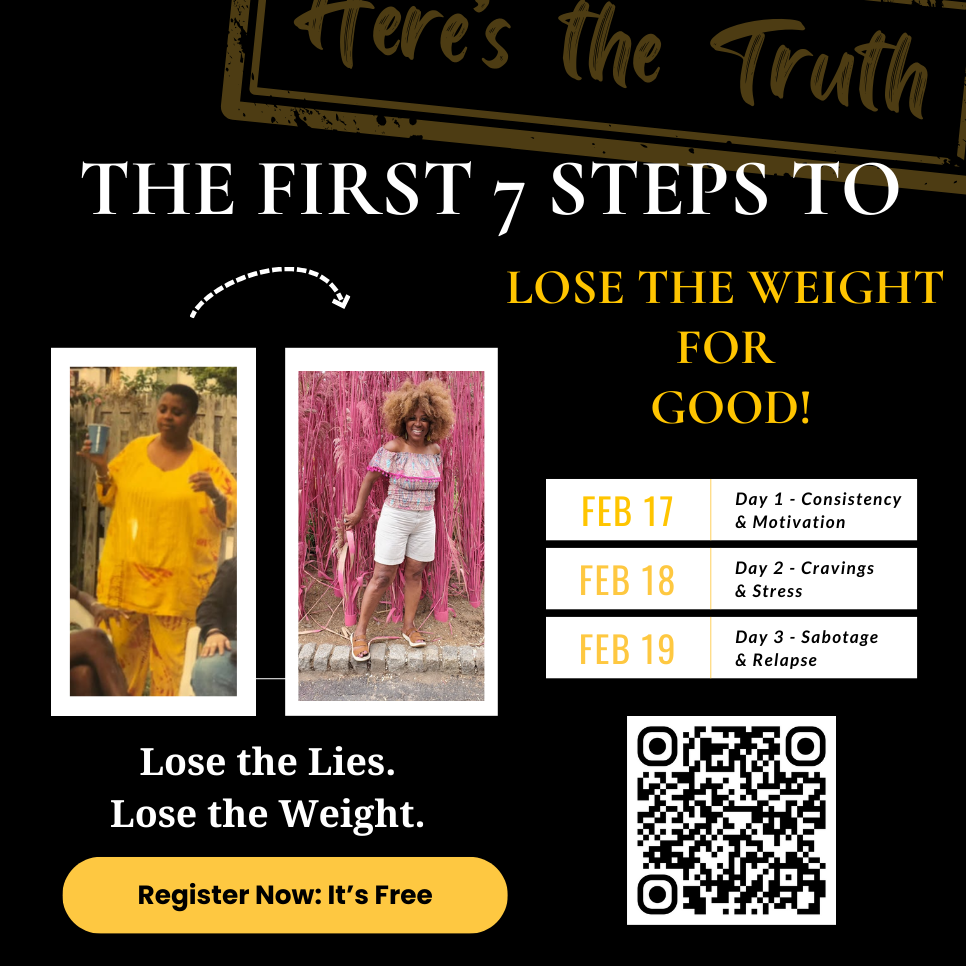
Some people are motivated by devotion. Others by fear of loss. Some by joy. Others by shame. And while motivation can ignite change, it’s not always enough to sustain it.
Here’s the truth we don’t talk about enough: wanting to change and being able to change are not the same thing.
People struggling with weight, food addiction, smoking, or substance use are often labeled as lacking discipline or willpower. But addiction is not a character flaw — it’s a condition shaped by trauma, stress, biology, culture, and environment. Many people desperately want to change. They just don’t have the tools, support, or understanding to fight what they’re up against.
Love might spark the decision. But tools make the difference.
Tools look like education, therapy, community, trauma-informed care, realistic strategies, and compassion — especially self-compassion. Tools help people move beyond short-term sacrifice toward sustainable change.
So what makes it click?
Sometimes it’s love for a spouse. Sometimes it’s love for a child. Sometimes it’s the quiet, revolutionary moment when someone decides, I matter too.
The challenge — and the opportunity — is helping people shift from external motivation to internal ownership. From doing it for someone to doing it with support, with dignity, and with the right tools.
Real health transformation isn’t about punishment or pleasing others. It’s about connection — to purpose, to support, and ultimately, to oneself.
And maybe the deepest form of love is learning how to fight for your health, not because you’re afraid of losing someone else, but because you believe you’re worth staying for.
___________________________________________________________________
Michelle Petties is a TEDx speaker, Food Story coach, and the award-winning memoirist of Leaving Large: The Stories of a Food Addict. After gaining and losing 700 pounds, Michelle discovered the secret to overcoming stress and emotional overeating. Her free workbook, Mind Over Meals, reveals her core principles for losing weight and keeping it off.