
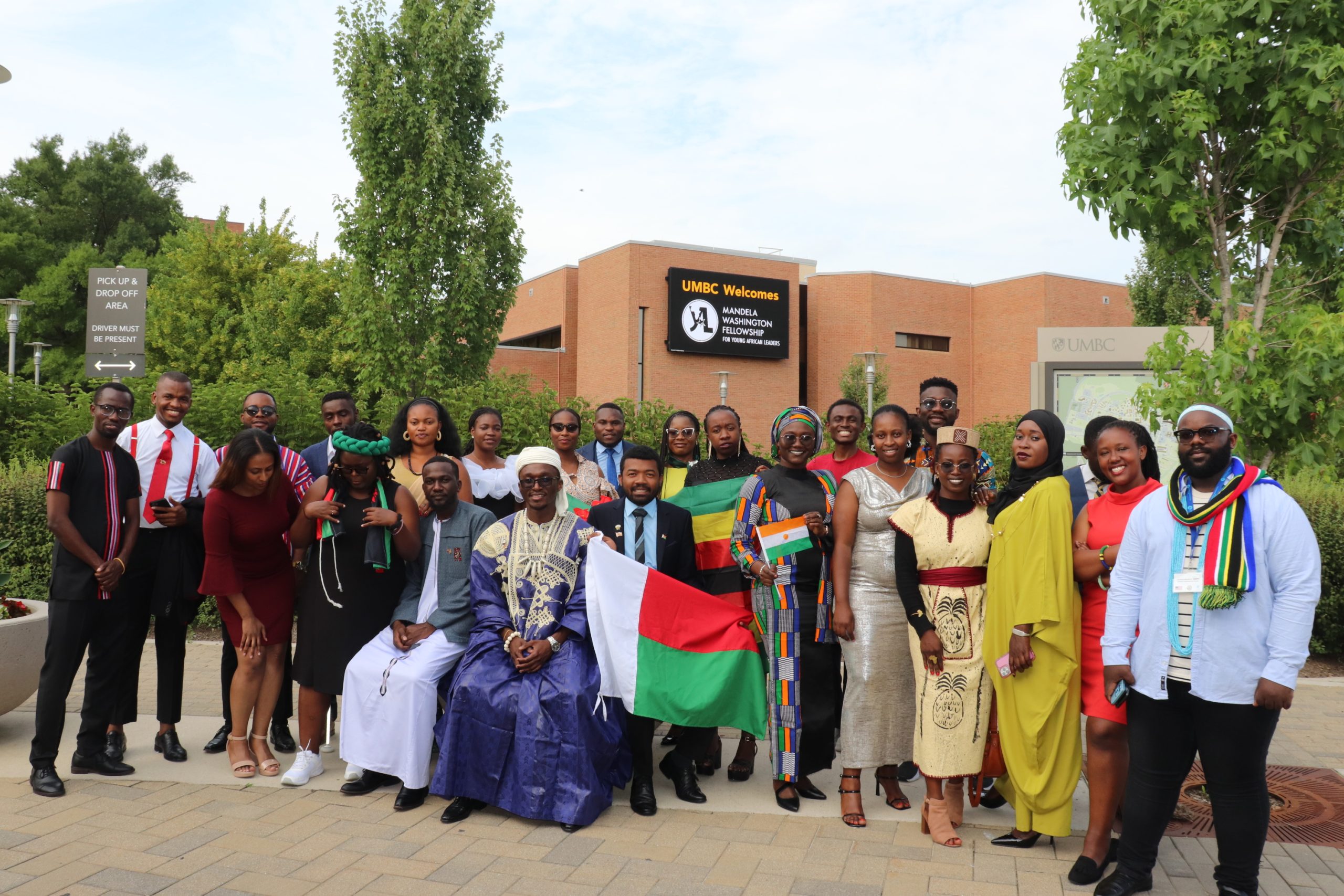
University of Maryland, Baltimore County’s (UMBC’s) Center for Global Engagement hosted the Mandela Washington Fellowship for Young African Leaders, funded by the U.S. Department of State’s Bureau of Educational and Cultural Affairs. UMBC implemented a Leadership Institute as a part of the fellowship.
Fellows who arrived on Wednesday, June 19, 2024, had an opportunity to participate in cultural; social; leadership; coaching; networking; and other activities. The majority of the Mandela Washington Fellowship cohort departed on August 3, 2024, although four fellows completed month-long internships in Philadelphia, Pennsylvania; Austin, Texas; and Washington, D.C. The inspired African leaders returned to their communities with a fresh perspective on service, community-building, and implementing resources.
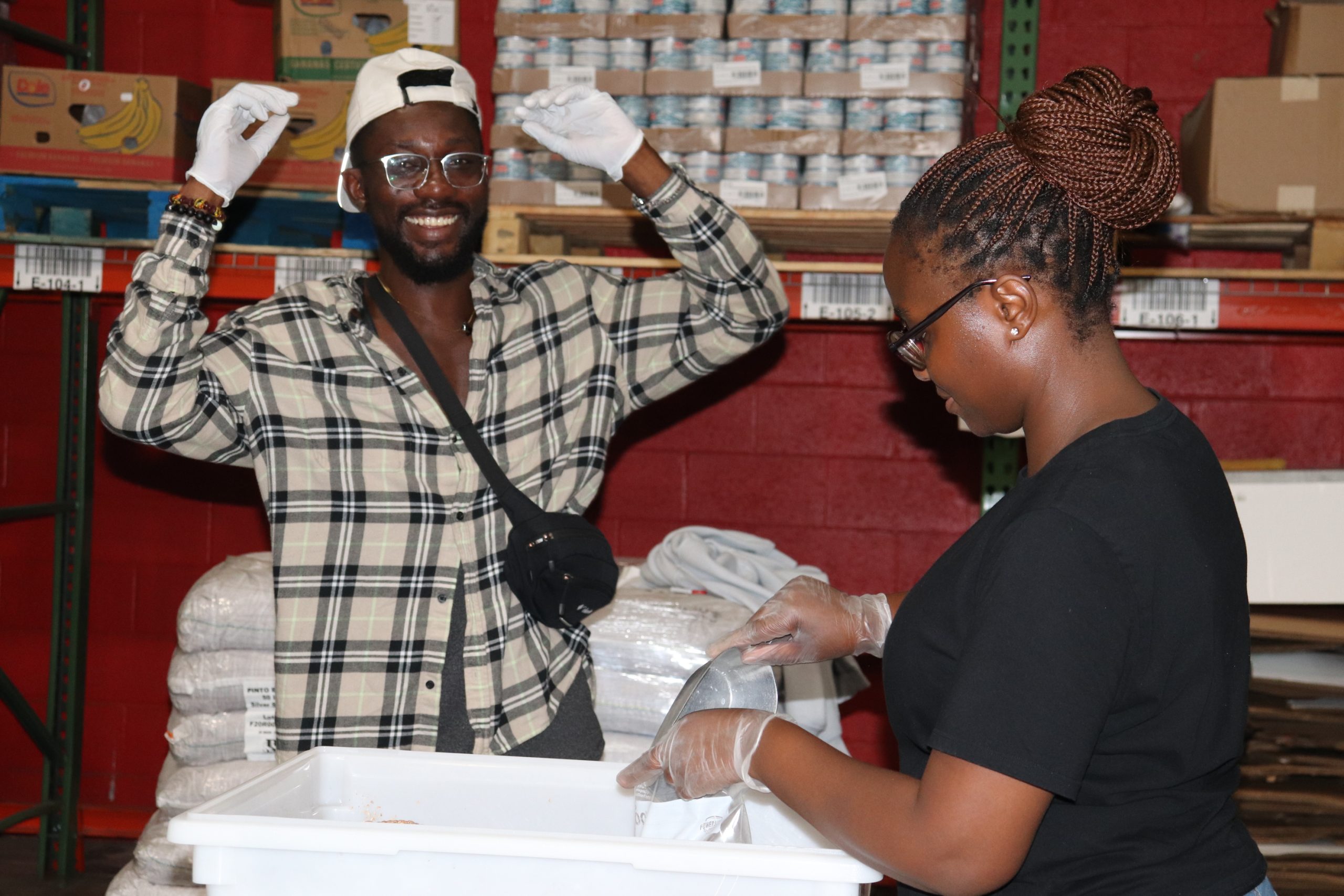
Richard Siaw, 32, was among the 2024 fellows who participated in the prestigious opportunity. The founder and executive director of Voice Of Inspiring Inclusive Change Equitably (VOIICE, www.voiicecommunity.org ) leads a non-profit organization. It is dedicated to combating sexual and gender-based violence and addresses mental health issues, particularly for marginalized groups in Ghana.
Siaw aspires to become a leader of a global and impactful social movement. Traveling abroad to the United States for the first time profoundly broadened his understanding of leadership. He was able to appreciate and engage with diverse cultures and viewpoints.
“The diverse places I’ve visited, the incredible people I’ve met, and the invaluable lessons I’ve learned have been beyond quantification. Initially, I arrived with high expectations, but I quickly realized that America, like any other place, has its own unique challenges. This trip has truly been eye-opening, offering a deeper understanding of both the opportunities and complexities of this country,” said Siaw.
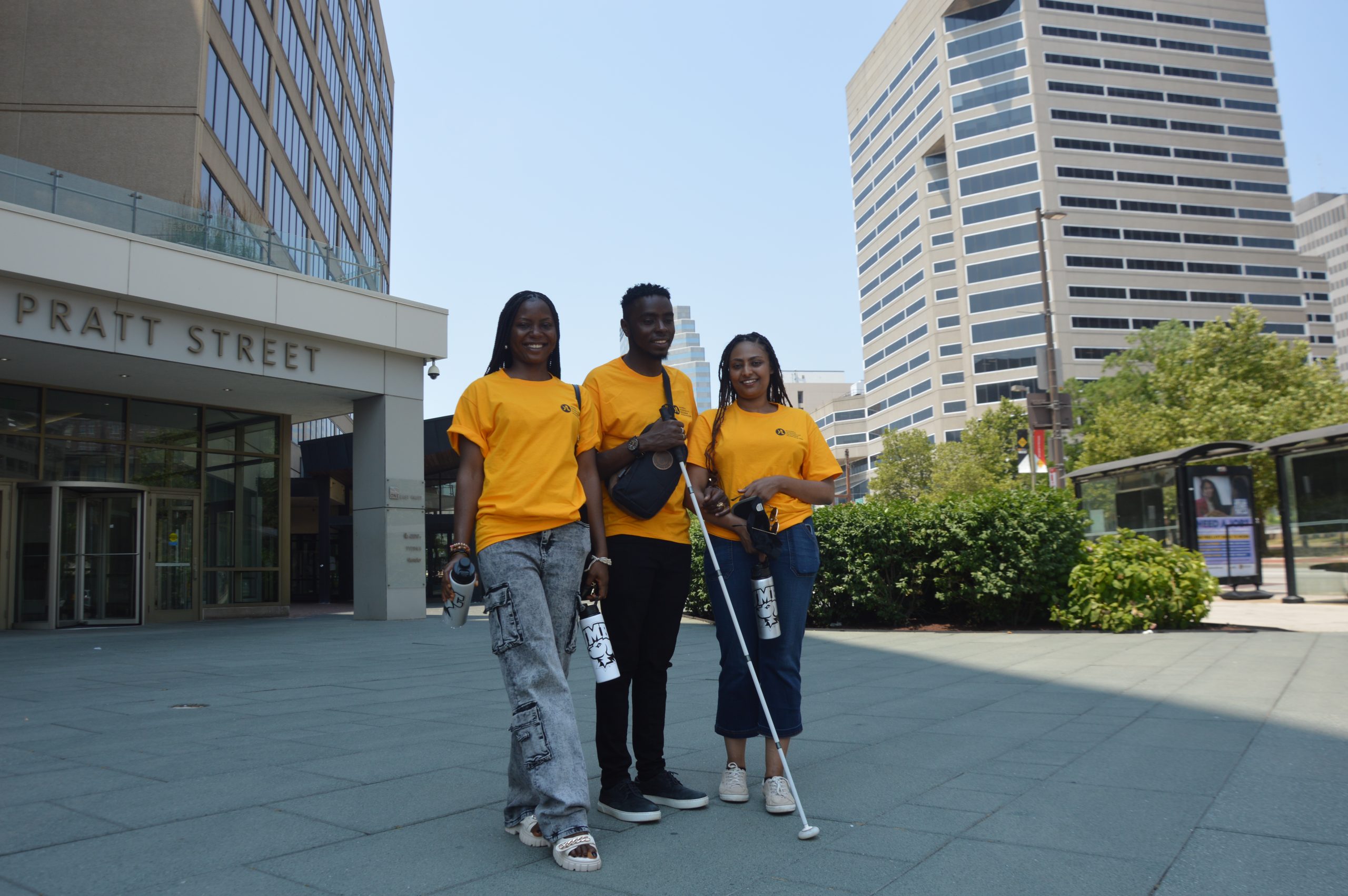
The wealth of ideas and connections that he gained in the United States will significantly enhance the effectiveness of his advocacy work in Ghana.
“I’ve built networks with professionals who share similar goals and have made lifelong friends and future collaborators among the fellows. These connections will enable me to engage in more effective advocacy; lead my movement more efficiently; and tap into the collective knowledge to support my work back home,” said Siaw.
He also shared that meeting the Lieutenant Governor of Maryland, Aruna Miller, was impactful. Siaw said that her shared words about a good leader being led by compassion and empathy resonated deeply with him.
Madison Pickard, assistant director of special programs at UMBC’s Center for Global Engagement, provided insight about the fellows’ geographical backgrounds.
“UMBC’s 2024 cohort hosted 25 Young African Leaders from 21 Sub-Saharan African countries [Zimbabwe; Côte D’Ivoire; Togo; Madagascar; Senegal; Democratic Republic of Congo; Liberia; Nigeria; Cameroon; Rwanda; Ethiopia; Kenya; Tanzania; Uganda; Malawi; Niger; Ghana; Lesotho; Botswana; South Africa; and Benin],” she said.
Pickard runs UMBC’s short term exchange programs to enable leaders to grow and better serve their communities. She pointed out additional facets of the Mandela Washington Fellowship:
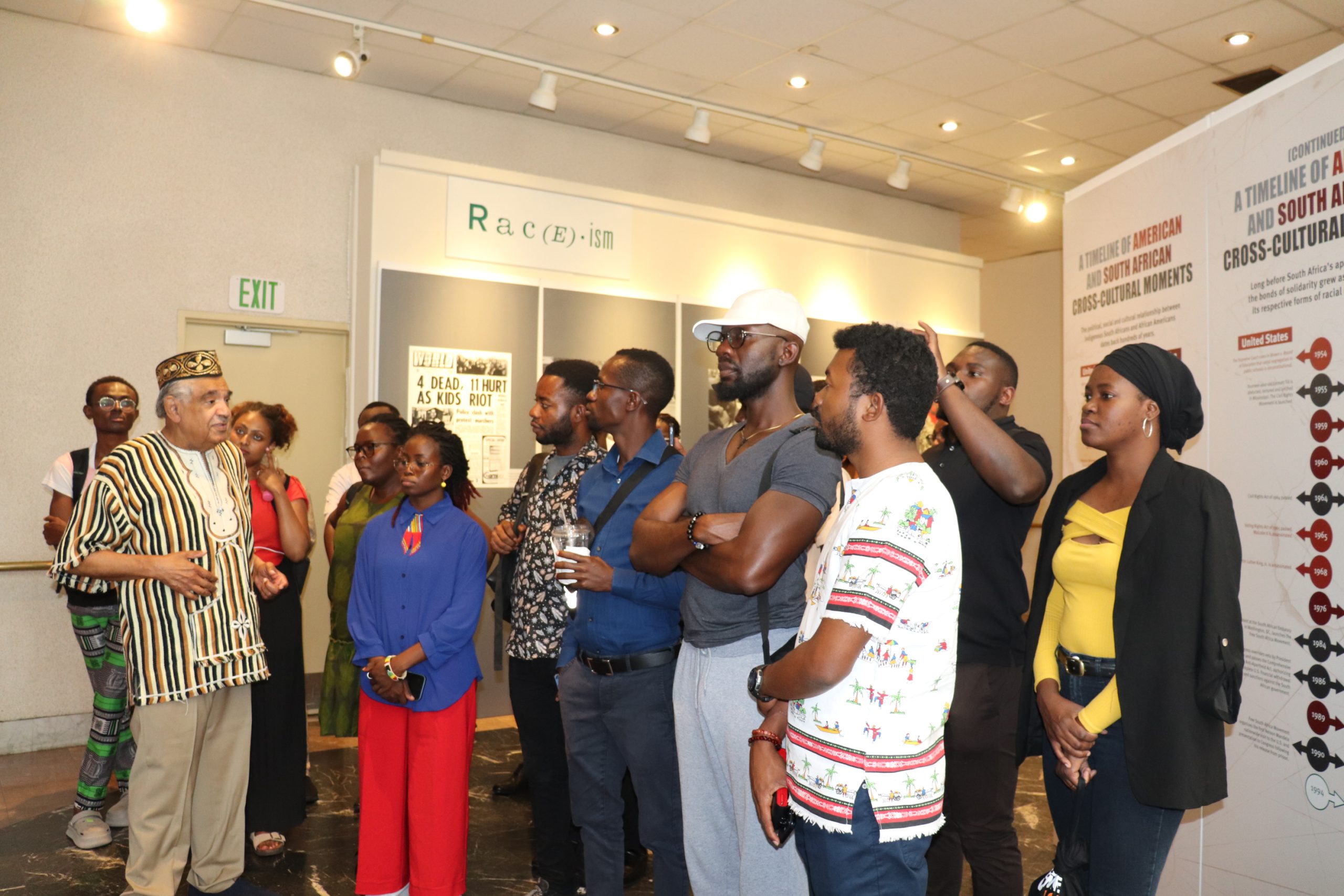
“This Fellowship brings together leaders who care deeply about the wellbeing of their communities and their countries, similar to the way Baltimore organizations and leaders care for our own. Many of the fellows come from cities and areas that face challenges for food distribution, access to health care, women and girls’ education, employment opportunities, and mentorship, and these fellows work with their communities to try to change these patterns.”
This is the second year UMBC has hosted the fellowship participants.
“Over 56,000 people apply every year and only 700 are accepted across 28 institutions,” said Pickard. “The Mandela Washington Fellowship for Young African Leaders (YALI) is hosted in 28 universities in the U.S. that act as Leadership Institutes in Business, Civic Engagement, and Public Management.”
The competitive program, which was born under the Obama administration, was started in 2014 by the U.S Department of State and Cultural Affairs (ECA) to invest in the next generation of African leaders, according to Pickard.
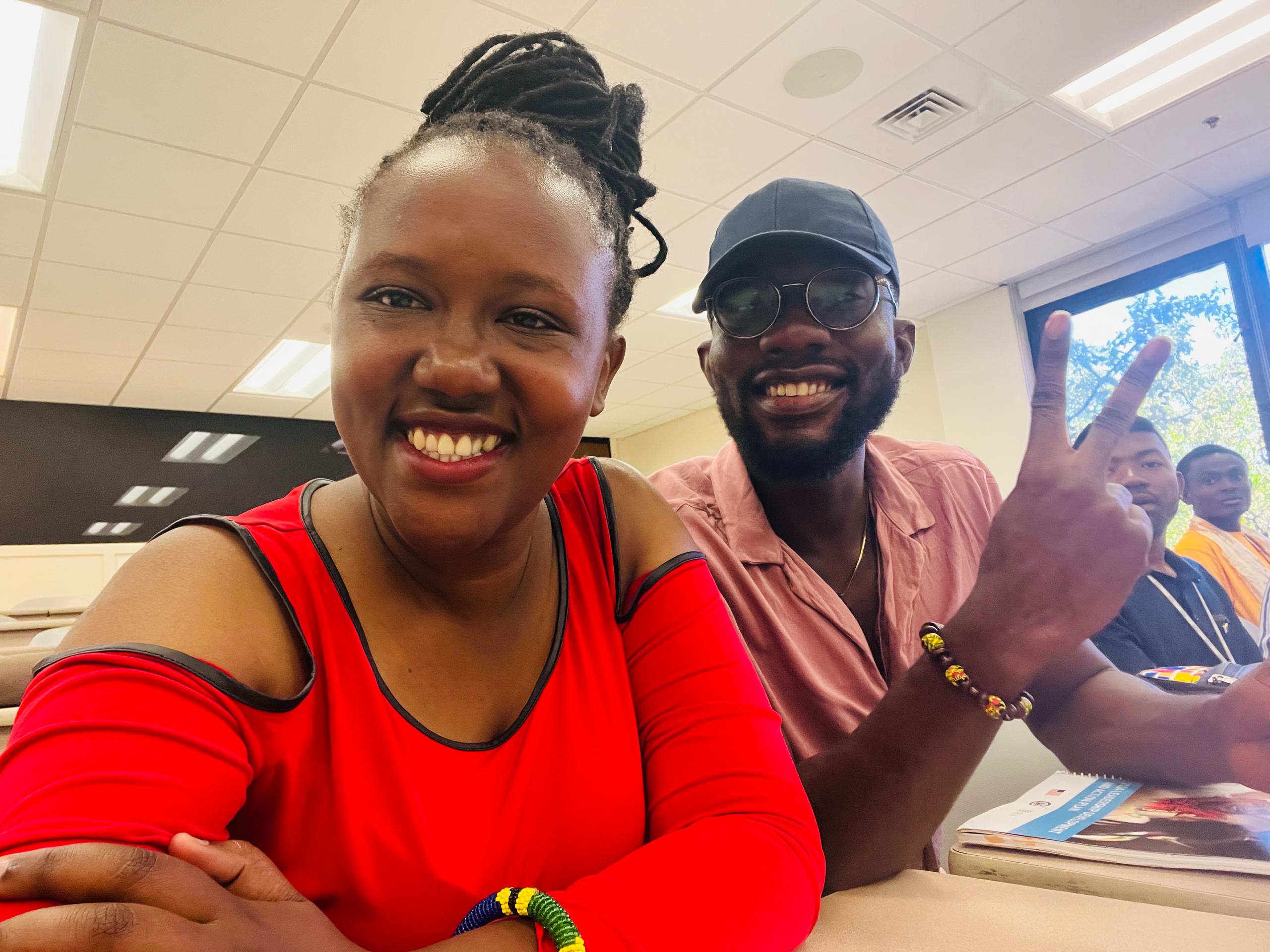
Like Siaw, Navina Mutabazi, a 28-year-old tech enthusiast, was excited to visit the United States for the first time and become a fellow.
”At home, I am establishing a grassroots non-profit called Her Tech Safari which aims at amplifying for more women and young girls to harness the power in the tech field,” Mutabazi explained.
Her programmatic experience was transformative and empowering.
“I always struggled to believe in the power of the social change work I do. I am from Tanzania. I work around advocating for the intersection of data, tech inclusion, and AI for social justice,” said Mutabazi.
Meeting Governor Wes Moore inspired her.
“Specifically, what I learned through meeting him was the power of resilience and commitment to change. Knowing that Governor Wes Moore is the first Black governor, and the youngest has spoken to me in so many ways. Through meeting him, I now believe that a power shift can happen; young people can be trusted; and systematic barriers can be bridged, if few individuals like him could be resilient enough to compete for decision-making roles.”
Mutabazi mentioned that the skills gained from the Mandela Washington Fellowship will be crucially important for her to re-design better community programs that take into consideration all groups, including marginalized populations.
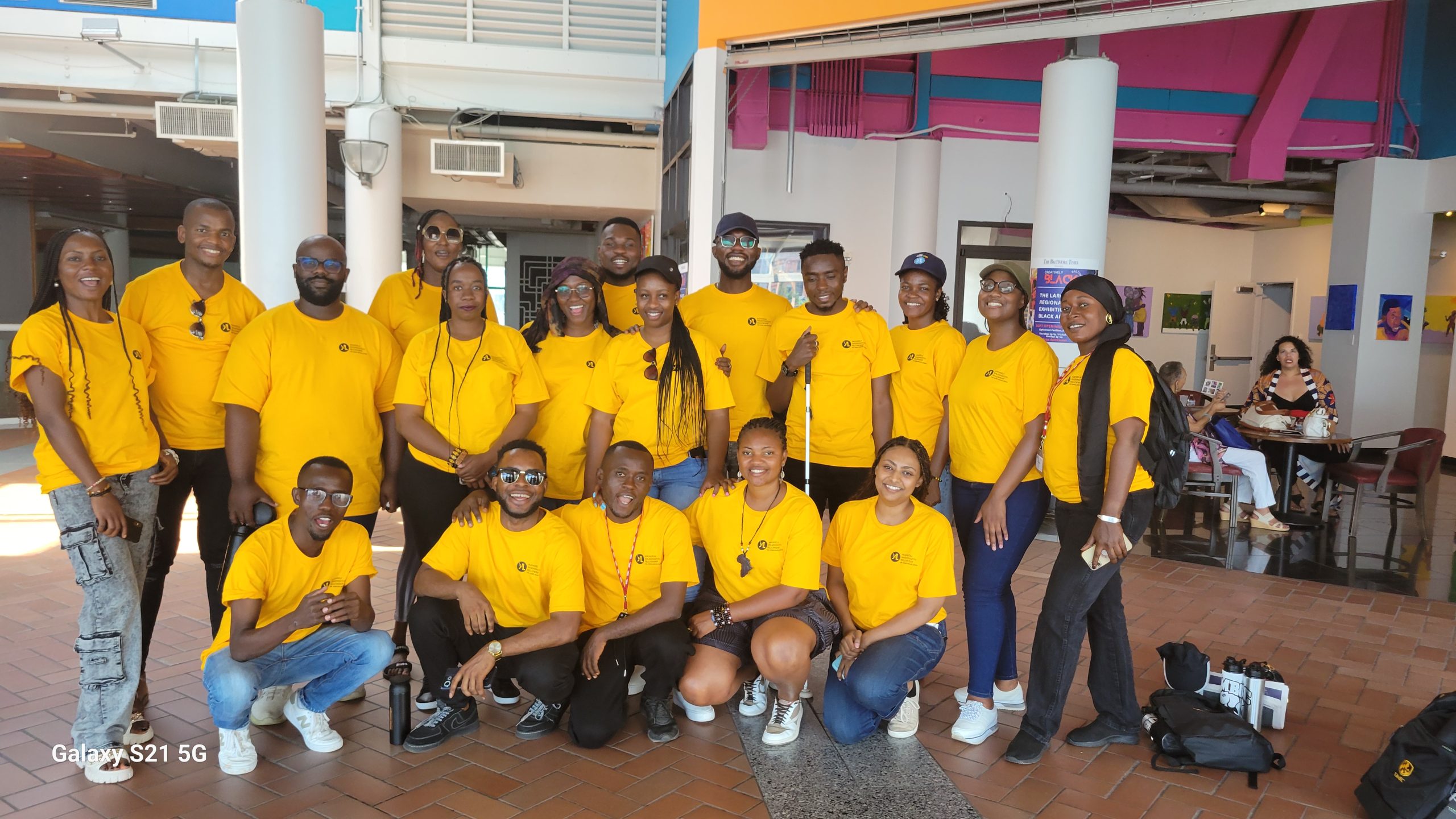
Photo credit- Dena Wane
She added, “I also look forward to being able to empower more young people to embrace community volunteering. This way, we are able to solve community challenges collaboratively and immediately through our own skills, knowledge, and power as youth.”
Visit https://www.irex.org/project/mandela-washington-fellowship-young-african-leaders#component-id-1429 to learn more about the Mandela Washington Fellowship. United States citizens can apply to travel to Africa and collaborate with fellows through the Reciprocal Exchange: https://www.mandelawashingtonfellowship.org/reciprocal-exchanges.
Thanks for sharing this story! If any readers want to learn more about the Fellowship, please contact our UMBC team at cgespecialprograms@umbc.edu.