Men’s Health Month is an opportune time to revisit facts about Post-Traumatic Stress Disorder (PTSD). Anyone in the general population can be diagnosed with it although PTSD has historically been associated with men and veterans.
PTSD Myths
“PTSD is a mental health problem that some people develop after experiencing or witnessing a life-threatening or traumatic event,” according to the National Center for PTSD- U.S. Department of Veterans Affairs.
Tavari Brown, PhD, LPC, MPH, owner of TTB Health Consulting, pointed out two prevalent PTSD myths.
“The first myth I still hear is that PTSD only occurs as a result of a catastrophic event,” she said.
Dr. Brown refers to military, sexual assault, child abuse, a car accident as “Big T” traumas or examples of catastrophic events. However, she educates clients that “Little T” traumas can occur because of job loss, experiencing microaggressions, or witnessing violence.
The second myth is linked to when symptoms materialize in a person’s life.
“PTSD symptoms can emerge months or even years later, especially when triggered by stress or life changes. The onset of symptoms might also be delayed based on individual differences. Healing is not linear, and the body and mind often store trauma long after the event,” said Dr. Brown.
Trauma versus PTSD
Differences exist between trauma and PTSD. Dr. Brown further explained that trauma is the emotional, psychological, or physical response to a deeply distressing or disturbing event.
“It can be a one-time incident, like a car accident, or chronic, like ongoing abuse or racism. Everyone experiences trauma differently, and not everyone who experiences trauma will develop a mental health disorder,” she stated.
Dr. Brown explained that PTSD involves a specific set of symptoms. This clinical diagnosis can develop after trauma.
“This might include intrusive memories, avoidance, negative mood changes, and hyperarousal that persist for more than one month and significantly impair a person’s ability to function in daily life.”
Diagnosing PTSD
Courtesy photo
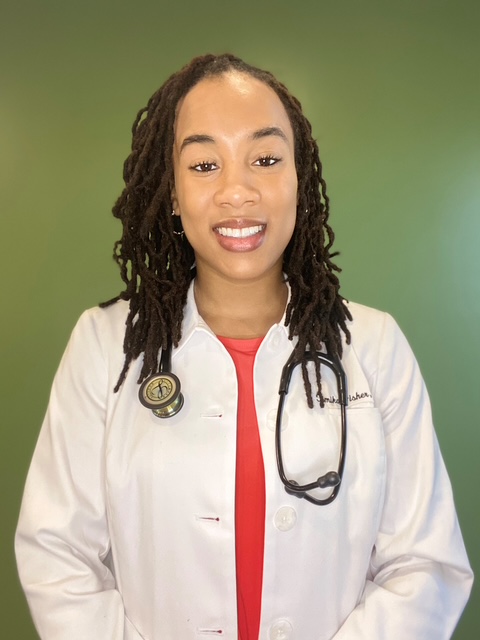
Timika Goodson, FNP-C, PMHNP-BC, founder and CEO of Diverse Health works as a family nurse practitioner and psychiatric mental health nurse practitioner. She provides virtual care to adult patients across Maryland, Washington D.C., and other states. Goodson noted that a licensed clinician, such as a psychiatrist, psychologist, or psychiatric nurse practitioner can diagnose PTSD. The evaluation usually involves a detailed conversation about the person’s symptoms, experiences, and health history, often supported by tools like the PCL-5 assessment.
Who does PTSD affect?
PTSD has become more common in recent years across the general adult population, Goodson noted.
“Millions of adults in the U.S. live with PTSD symptoms, often connected to ongoing trauma, community violence, systemic inequality, or even medical-related trauma.”
Surprisingly, Goodson mentioned that “PTSD is most commonly diagnosed in women, but we also see elevated rates in Black and Hispanic adults, as well as among members of the LGBTQ+ community. Increased exposure to trauma and limited access to supportive services play a major role. While PTSD has long been underdiagnosed in communities of color, that’s slowly beginning to shift as more people seek culturally aligned care and screening becomes more routine.”
PTSD signs include nightmares, flashbacks, and avoiding situations that remind them of what happened. People may feel constantly on edge or easily startled. Others might feel numb or detached from everyday life. These symptoms can interfere with work, relationships, and overall quality of life, according to Goodson.
PTSD Treatment
Two newer or evolving PTSD therapies that can help include Eye Movement Desensitization and Reprocessing (EMDR) and medication, according to Goodson. EMDR helps patients safely revisit and process traumatic memories.
“Another growing method is somatic therapy, which focuses on helping people reconnect with their bodies and calm the nervous system. Both can be powerful tools in healing trauma, especially for those who haven’t had success with talk therapy alone,” Goodson added.
Antidepressants like (SSRIs) selective serotonin reuptake inhibitors are often used to manage PTSD symptoms such as anxiety, depression, and intrusive thoughts.
“The most effective treatment plans are usually holistic, combining medication, therapy, and lifestyle support tailored to each individual’s needs,” Goodson confirmed.
Visit www.mydiversehealth.com to learn more about Goodson and https://ttbhealth.clientsecure.me/ to learn more about Dr. Tavari.