The 2025 Black History Month theme is “African Americans and Labor.” The Association for the Study of African American Life and History (ASALH) notes that the theme sets out to highlight and celebrate the potent impact of this work. In recognition of this theme, The Baltimore Times will publish articles highlighting key individuals in labor who have wax figures in their likeness at the National Great Blacks in Wax Museum (NGBIW).
Established by Dr. Carter G. Woodson, the Association for the Study of African American Life and History (ASALH) continues to carry forth the work of Dr. Woodson, who has been dubbed “The Father of Black History.” Each year, ASALH designates a theme for Black History Month.
Courtesy photo
According to ASALH, this year’s theme – “African Americans and Labor,” focuses on the various and profound ways that work and working of all kinds – free and unfree, skilled, and unskilled, vocational, and voluntary – intersect with the collective experiences of Black people.
The organization explains that understanding Black labor and its impact in multivariate settings is integral to understanding Black people and their histories, lives, and cultures. ASALH also notes that Africans were brought to the Americas to be enslaved for their knowledge and to serve as a workforce.
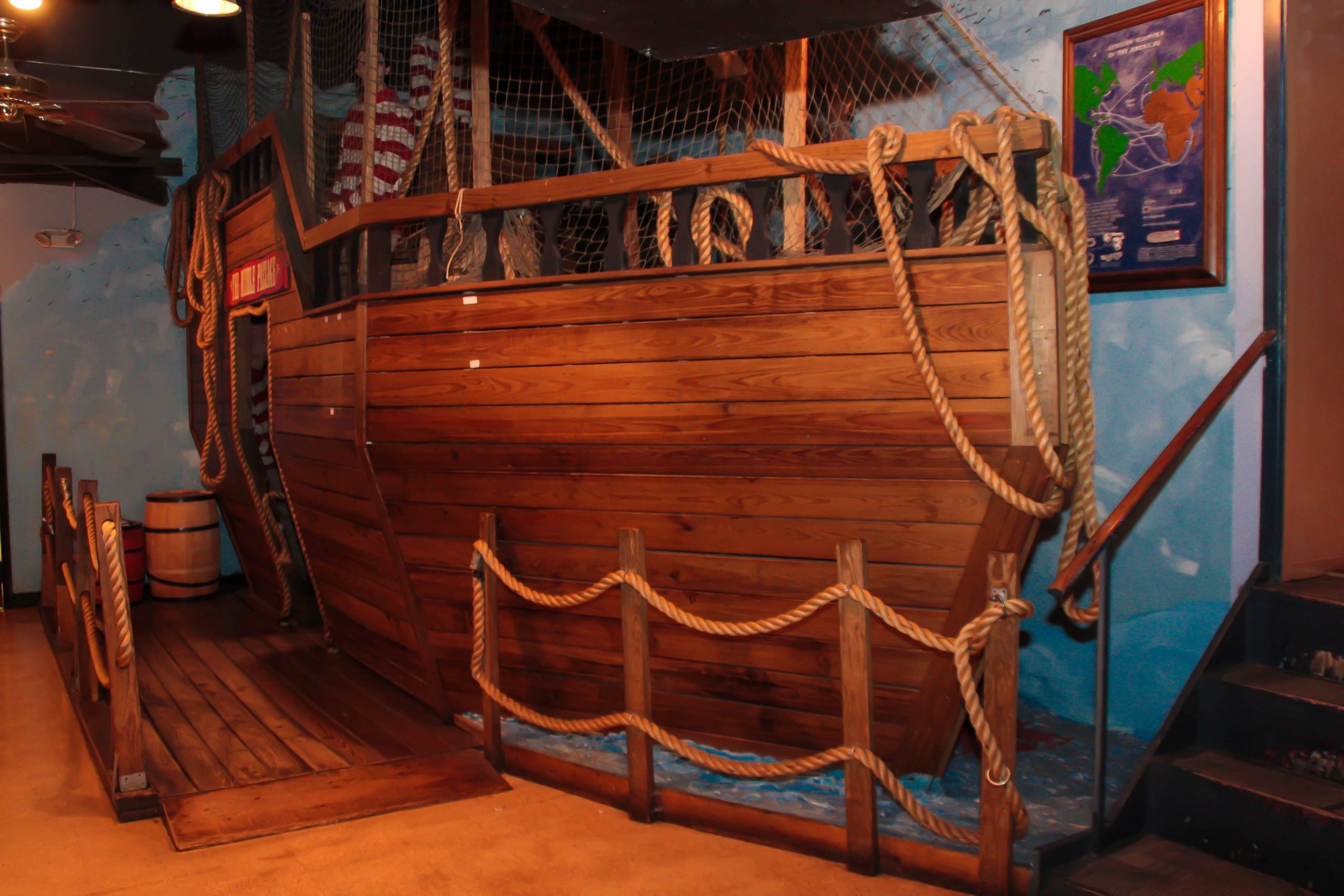
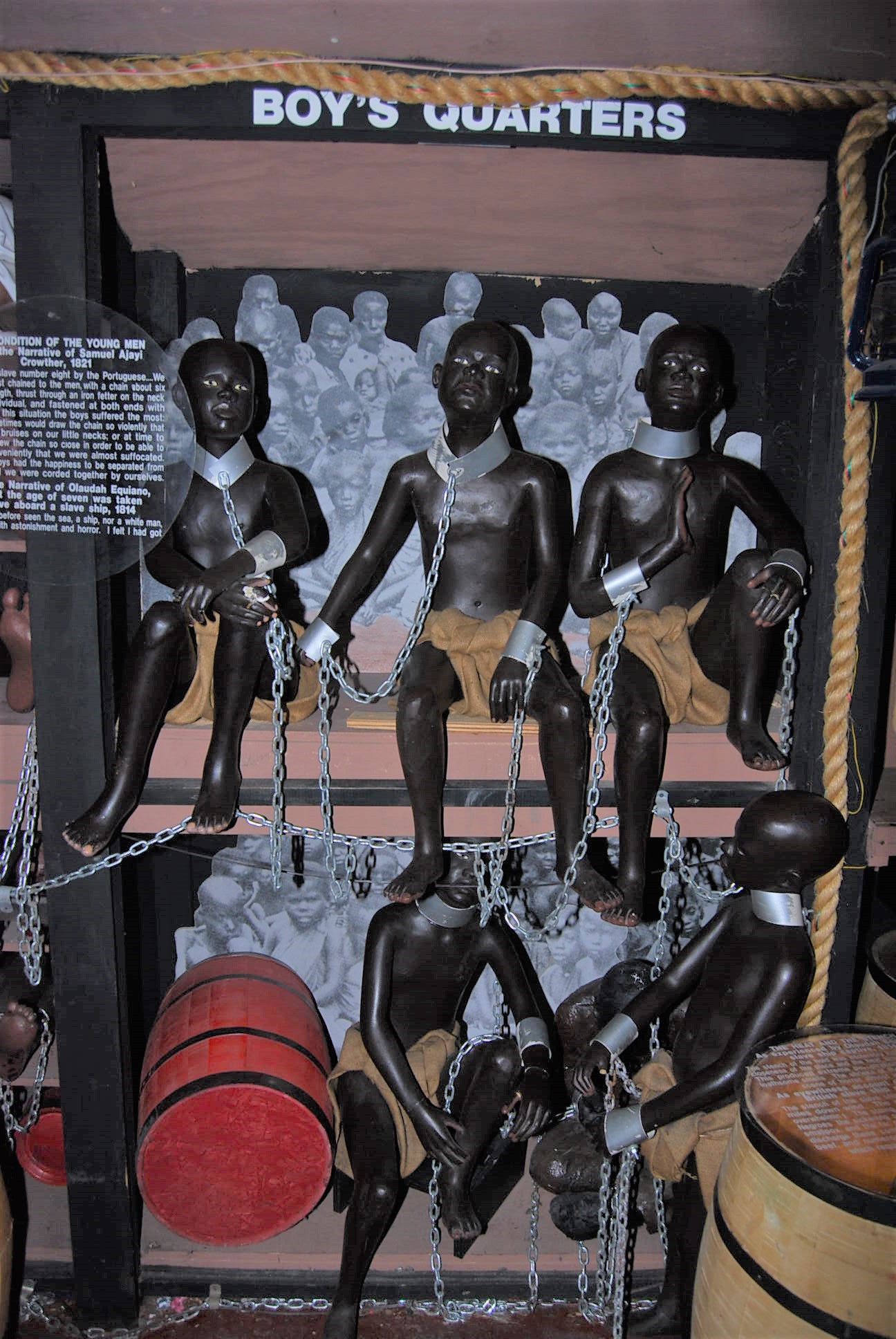
Located at 1601-1603 E. North Avenue, the National Great Blacks in Wax Museum (NGBIW) houses a powerful exhibit called “The Slavery Era” featuring the “Middle Passage” and “The Horror of Captivity.” The life-sized replica of a slave ship provides an immersive and realistic experience of the Middle Passage voyage.
The museum was established in 1983 by Dr. Joanne Martin and her late husband, Dr. Elmer Martin.

Photo by Ursula V. Battle
“The slave ship exhibit aims to make visitors feel like participants rather than observers,” said Dr. Martin. “The exhibit includes a mirror that reflects the visitors’ faces, emphasizing the human impact of slavery. The replica tells the story of all the crowdedness and misery aboard the slave ships. Elmer’s vision for the museum was to tell the story of African Americans in all its raw reality and emphasize the museum’s continued dedication to telling the story of African Americans without compromise.”
The slave ship replica touts a life-size re-creation of the dark belly of a 19th-century slave ship and shows figures in the dank ship’s hold.
“Our labor built this country,” said Dr. Martin. “Africa was reached into to get that labor force that was going to be in chains to work for free and build a nation. The founders, as they are called in this nation, were a part of building a plantation economy, and the plantation economy was labor-driven. This country began to evolve into an industrialized nation that’s still very labor intensive, but the plantation economy required a labor force that those people relied on and were gaining wealth.”
NGBIW also features “Cash Crop,” an installation by renowned artist and creator Stephen Hayes. The exhibition features 15 life-size sculptures of human figures cast in concrete and bound in chains and metal of the Atlanta slave trade. The exhibition opened last February, and according to Dr. Martin, it has been extended through July 2025. Hayes noted that the exhibit represents the 15 million African people forcefully brought to the Americas between 1540 and 1850.
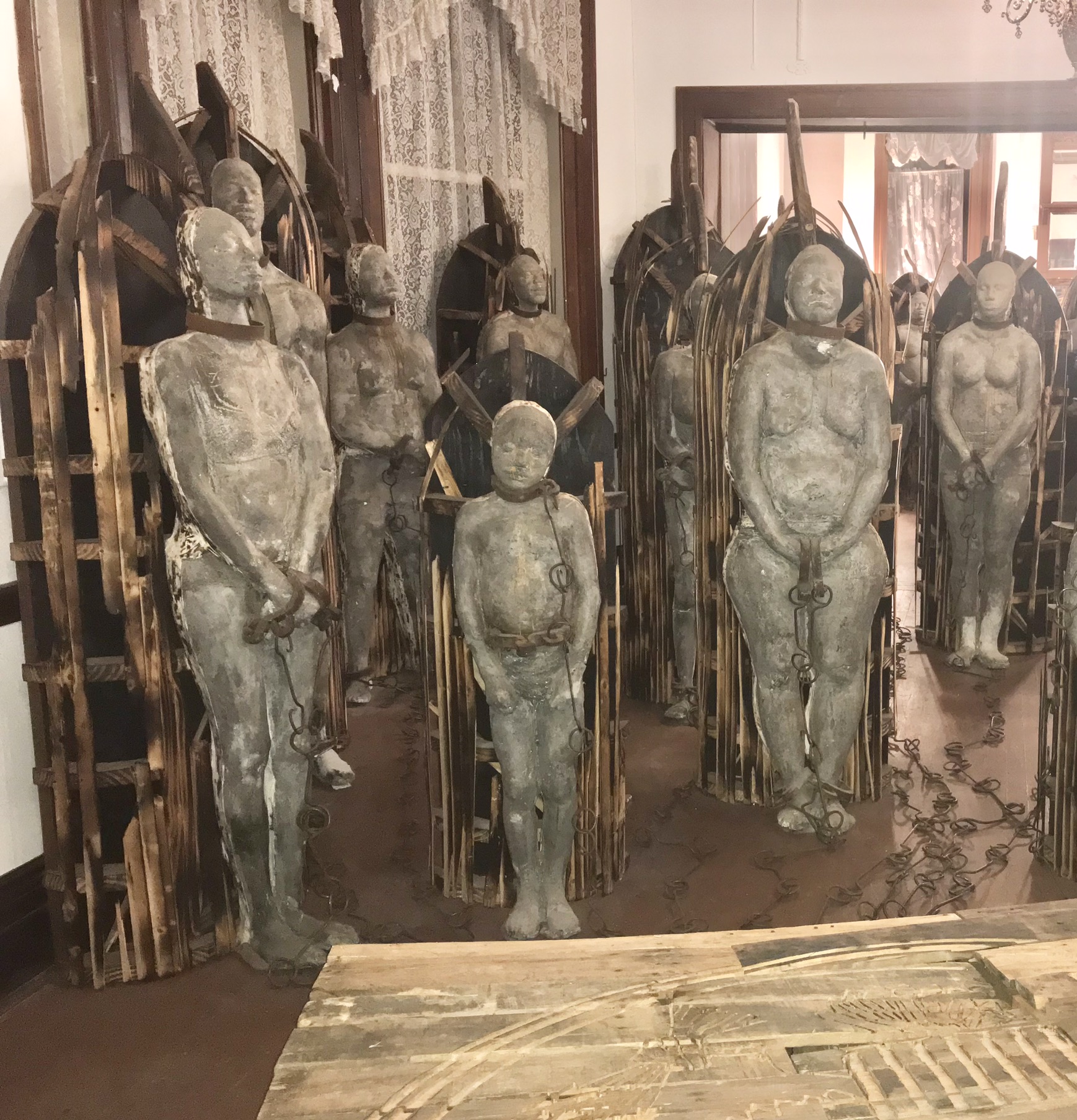
Photo by Ursula V. Battle
Dr. Martin said that future plans at NGBIW includes expanding “The Slavery Era” exhibit to cover more of the slave trade story. She also discussed the importance of this year’s Black History Month theme.
“It’s important to recognize the historical and ongoing impact of Black labor,” she said. “There is a need for continued education and awareness about Black labor and how it helped to shape our nation.”
To learn more about this year’s Black History Month theme visit https://asalh.org/black-history-themes/ and for more information about NGBIW, visit https://www.greatblacksinwax.org/