
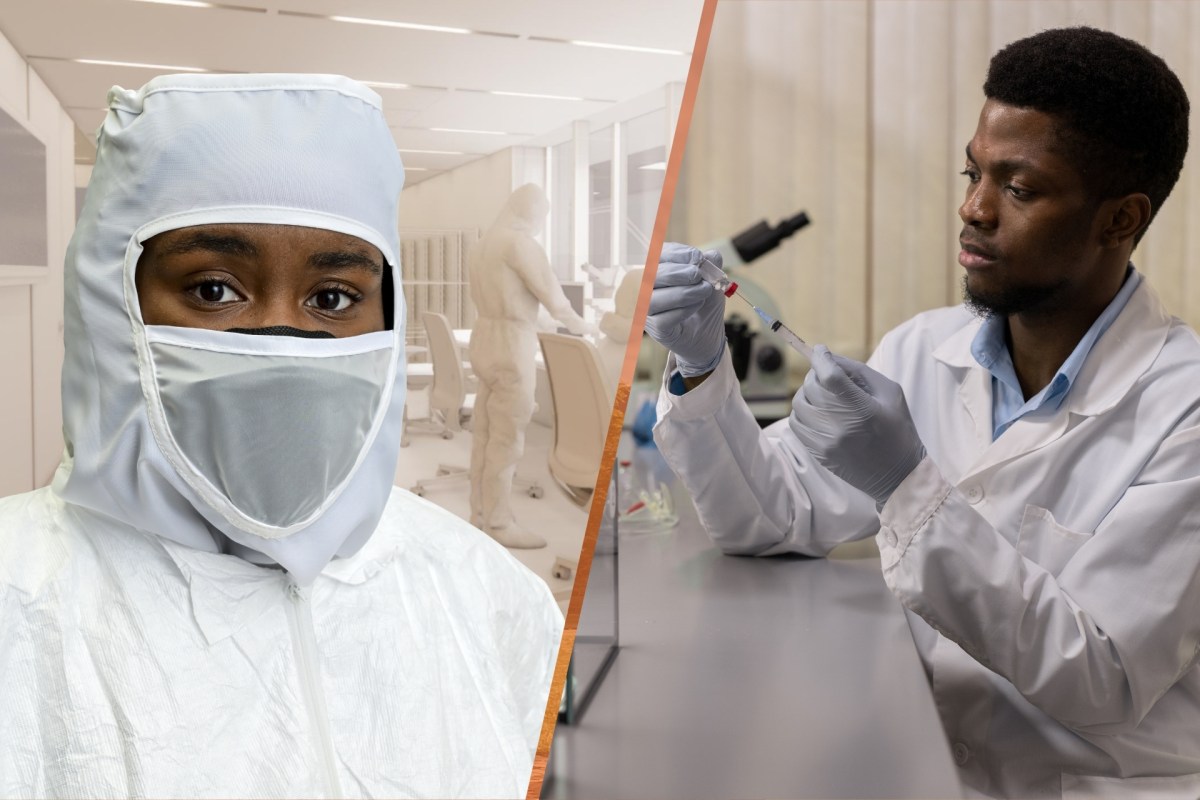
NIST Awarded Funding Reinforces Morgan’s R1 Research Trajectory While Preparing the Next Generation of Engineers and Biomedical Scientists
BALTIMORE — Morgan State University has been awarded nearly $9 million in federal research funding as part of a broader $58 million federal investment supporting public safety, Chesapeake Bay preservation, and research initiatives across Maryland. The funding, secured through the fiscal year 2026 Commerce, Justice, Science appropriations bill and announced by bill advocates U.S. Senators Chris Van Hollen and Angela Alsobrooks, will strengthen Morgan’s capacity for cutting-edge research and workforce development in microelectronics and biomedical science.
Morgan will receive $3.4 million to enhance its Center for Education and Research in Microelectronics and $5.5 million to construct and equip a new Molecular Biology Research Laboratory serving academic researchers focusing on biological sciences and applied sciences within Morgan’s School of Computer, Mathematical and Natural Sciences (SCMNS). The awards come to Morgan from the National Institute of Standards and Technology (NIST), an agency within the Department of Commerce, which helps promote U.S. innovation and industrial competitiveness through collaboration with academia to advance measurement science, standards, and technology.
The investment reinforces Morgan’s growing role as a national leader in applied research while advancing the University toward its strategic goal of achieving Carnegie R1 classification, the highest designation for research activity among U.S. universities.
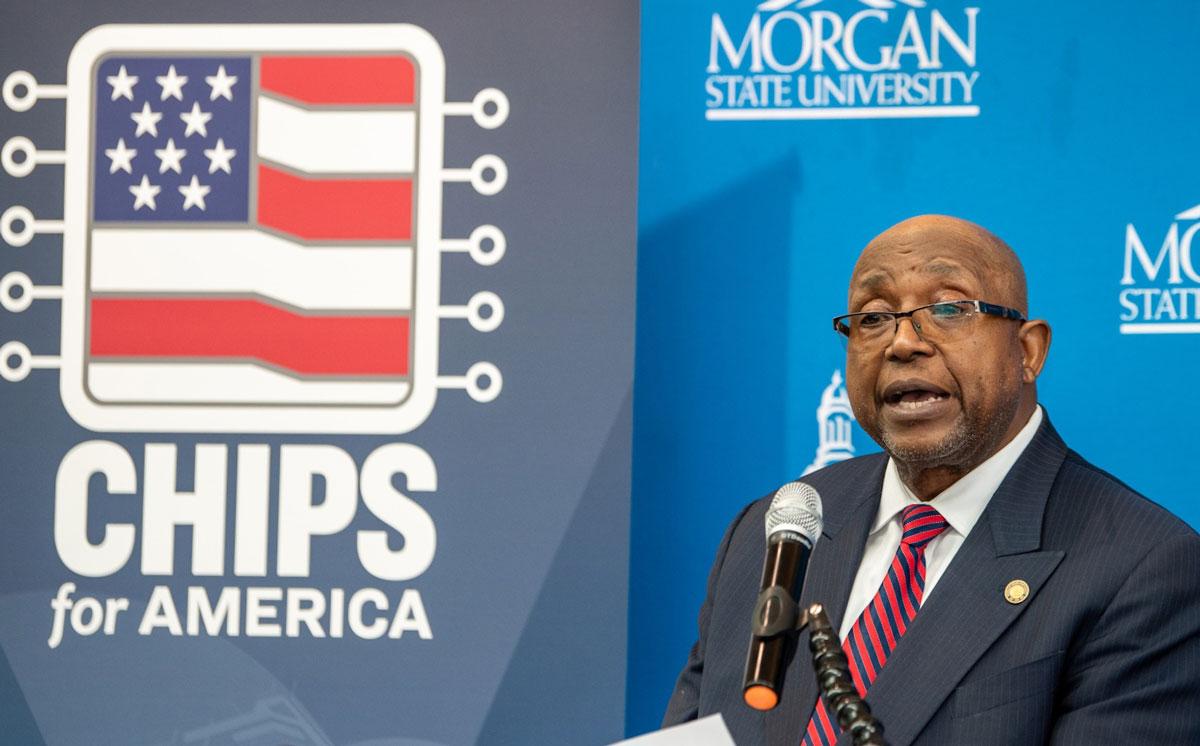
“Federal investment in public research universities, like Morgan, is essential to cultivating the next generation of scientific discovery and innovation, because they empower institutions of higher learning to harness the intellectual capacity of emerging scholars, researchers and innovators whose work will shape the future of our nation and the world,” said Willie E. May, Ph.D., vice president for Research and Economic Development at Morgan State University. “Morgan is proud to serve as a valued partner in this capacity and will continue to advance impactful, issues-driven research that addresses pressing technological and health challenges—work that not only strengthens the communities we serve here in Baltimore but also contributes meaningfully to the broader national and global good.”
Funding for the Center for Education and Research in Microelectronics, located within the Mitchell Engineering Building, will support the acquisition of advanced equipment and the development of specialized training opportunities in semiconductor design and manufacturing. The Center, established in 2023, serves as a hub for research exploring the design, fabrication, and application of microelectronic devices—the miniature circuits that power technologies ranging from smartphones and medical imaging systems to industrial robotics and smart infrastructure.
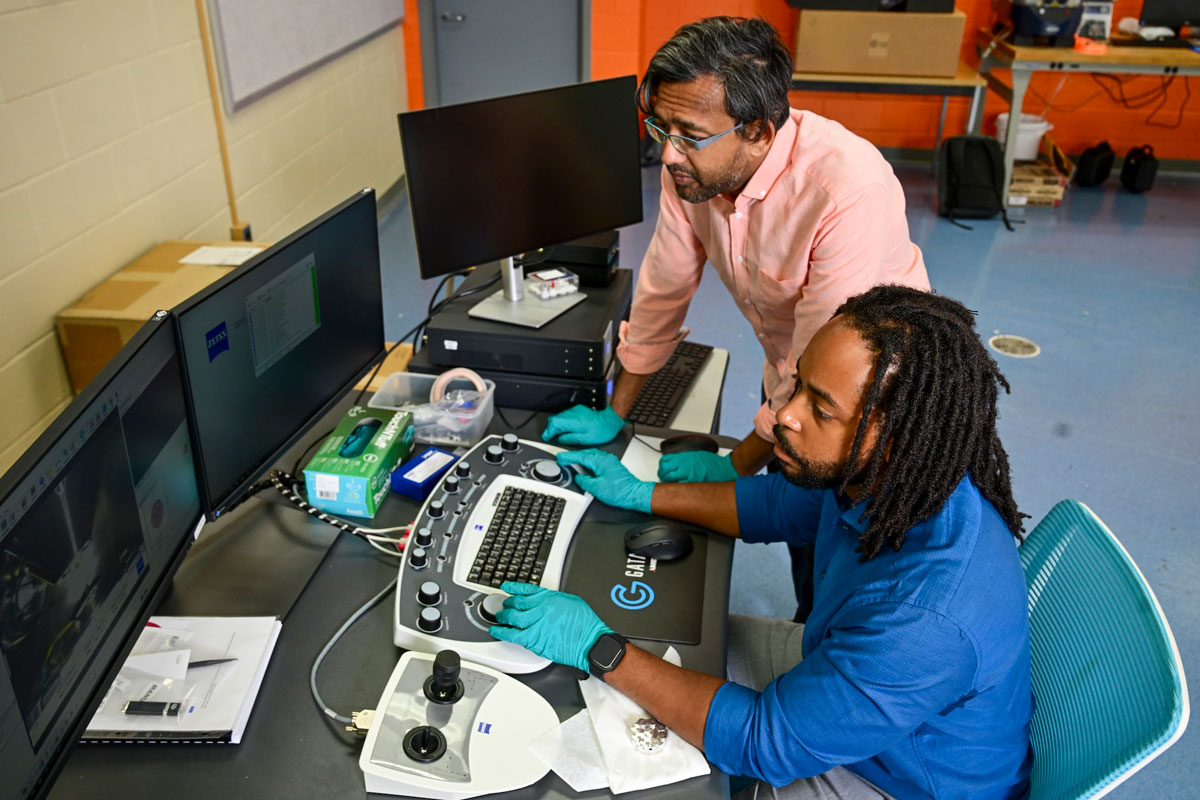
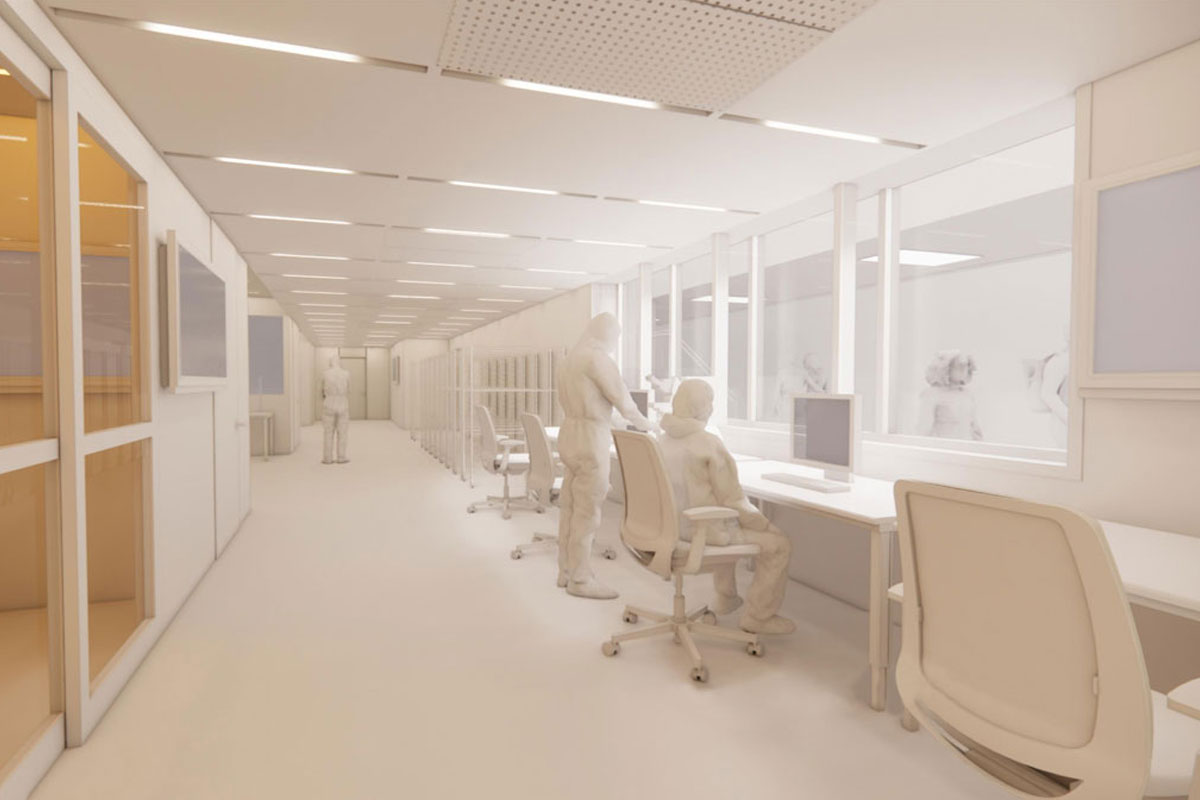
The new equipment will complement plans for a 4,000-square-foot clean room facility, a controlled environment essential for fabricating high-precision semiconductor components. Once completed, the facility will enable Morgan researchers and students to conduct hands-on experimentation with next-generation microchips while fostering collaborative research with partners including the Johns Hopkins University and the U.S. Army Research Laboratory. The Center is also advancing a partnership with the Smart USA Institute, a national initiative focused on semiconductor manufacturing innovation through digital twin technologies.
The remaining $5.5 million will support the creation of a state-of-the-art microbiology laboratory designed to expand Morgan’s capacity to study microscopic unicellular, multicellular and acellular organisms across key disciplines, including virology, bacteriology and immunology. The advanced facility will strengthen core biological research at the University and support a broad community of faculty and student investigators within the School of Computer, Mathematical and Natural Sciences’ Department of Biology. The laboratory will also serve as a critical resource for several of Morgan’s high-impact research enterprises, including the ASCEND Center for Biomedical Research, Center of Research Excellence in Wastewater-Based Epidemiology, and RCMI@Morgan—the University’s flagship biomedical research initiative focused on addressing health disparities in urban communities.
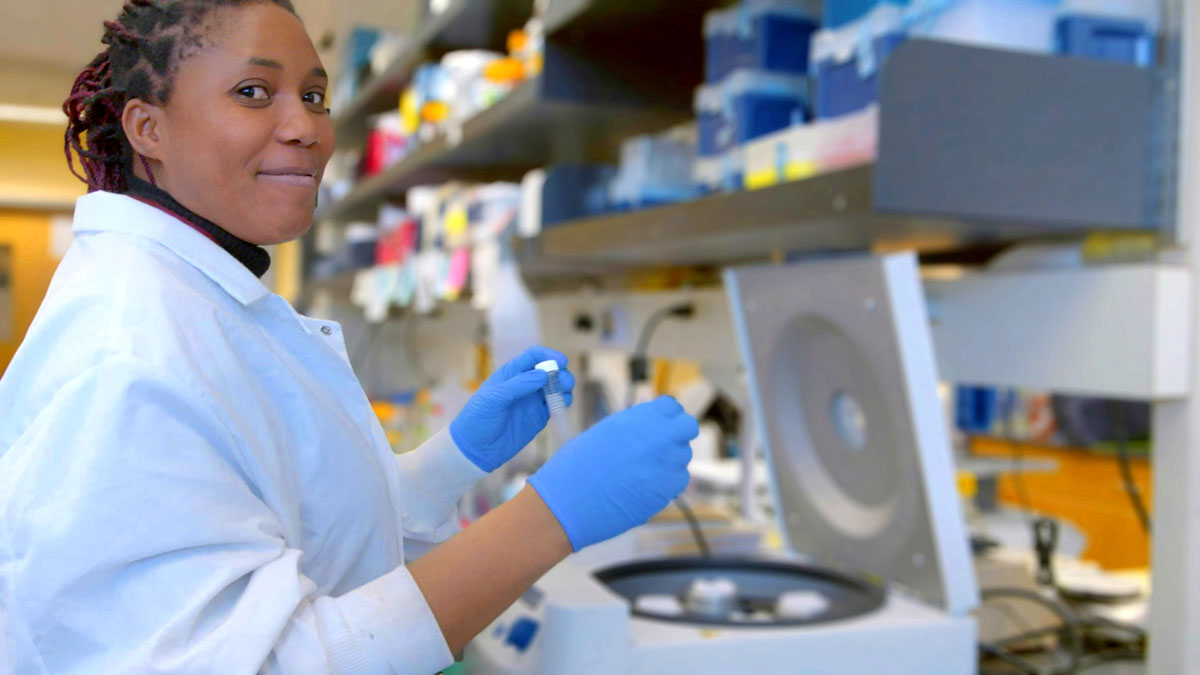
The laboratory will house the Molecular and Cellular Biology Core, a shared instrumentation facility providing advanced technologies and technical support for investigators studying the biological and social determinants of disease. The facility will enable research examining chronic health issues and serve as a conduit for the acquisition and adoption of cutting-edge technologies by conducting training workshops and seminars in current and emerging molecular biology technologies for users.
In addition to catalyzing scientific discovery, the new laboratory will provide training opportunities in emerging molecular biology techniques, preparing students for careers in biomedical research and strengthening the pipeline of diverse scientists and public health professionals.
Together, these investments position Morgan State University to expand its research footprint while addressing some of the nation’s most pressing technological and health challenges.
About Morgan
Morgan State University, founded in 1867, is a Carnegie-classified high research (R2) institution offering more than 150 baccalaureate, master’s degree, doctorate and certificate programs. As Maryland’s Preeminent Public Urban Research University, and the only university to have its entire campus designated as a National Treasure by the National Trust for Historic Preservation, Morgan serves a multiethnic and multiracial student body and seeks to ensure that the doors of higher education are opened as wide as possible to as many as possible. For more information about Morgan State University, visit www.morgan.edu.
This is a really positive step, nearly $9 million in federal funding to support both microelectronics innovation and urban health research shows how universities can bridge cutting‑edge technology with real community needs. It feels encouraging to see investment that isn’t just for prestige, but for practical impact in areas that matter.