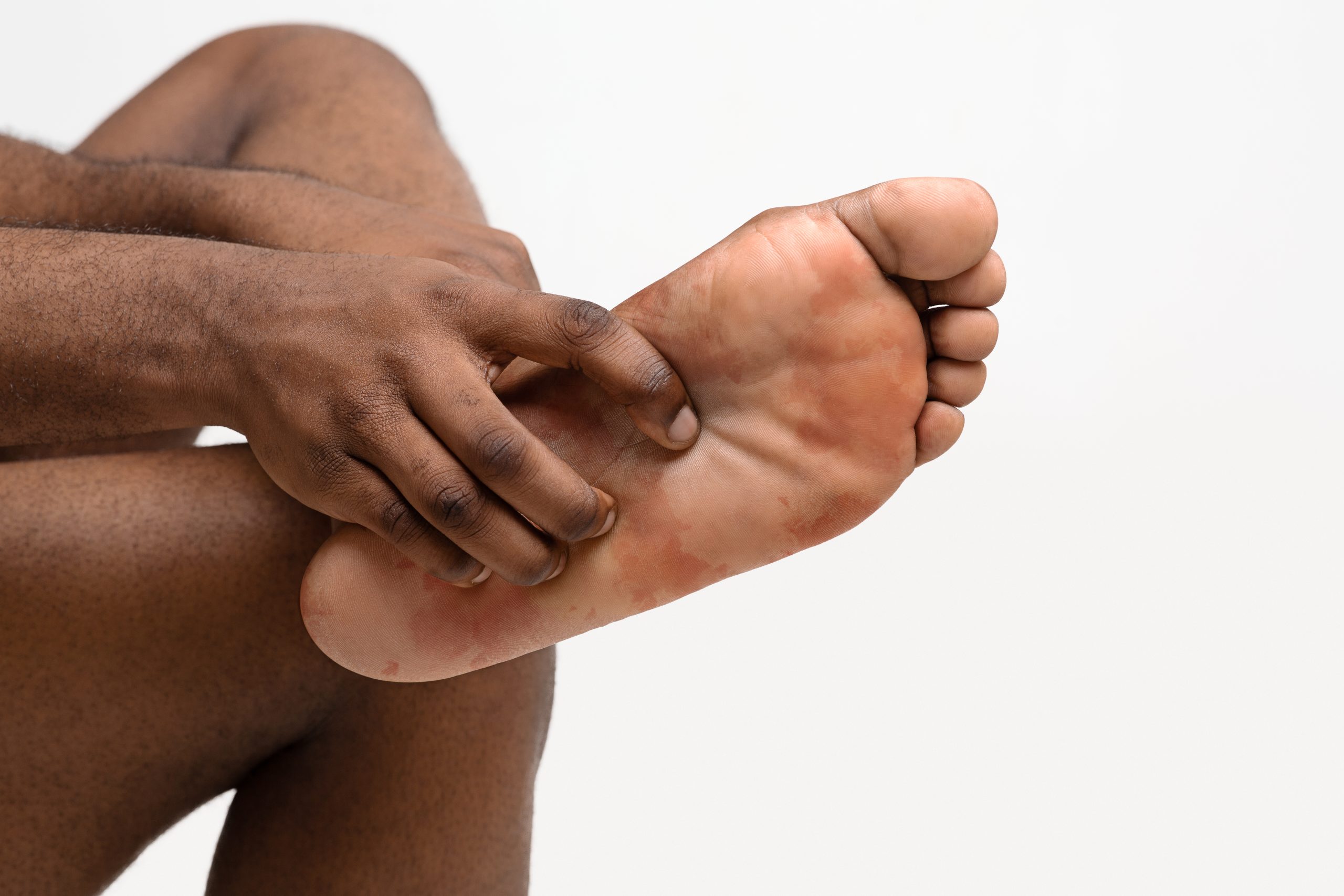
What do Benjamin Franklin, Dick Gregory, King Henry VIII, and actor Anthony Anderson have in common? These men all suffered from gout. Activist Gregory and Blackish star Anderson have both spoken publicly about gout as part of their advocacy for health and wellness in the African American community. For people who have experienced gout, the first word that comes to mind is pain.
Gout, often referred to as the “disease of kings,” is a form of arthritis characterized by severe pain, redness, and tenderness in joints. The condition has a long history, dating back to ancient times, and was historically associated with the opulence and excess of the aristocracy. However, today gout affects millions of people worldwide and is understood to be not just a result of luxury but also genetic factors, diet, lifestyle choices, and other pre-existing health conditions.
The history of gout is as fascinating as it is long. Ancient Egyptian medical tests are the first known documents to mention gout. By the time of Hippocrates in the 5th century BC, gout was already recognized as a distinct disease. Hippocrates, often called the “Father of Medicine,” referred to gout as “the unwalkable disease.” He noted gout’s absence in eunuchs and premenopausal women, pointing towards hormonal influences long before modern medicine could explain the reasons.
In the Middle Ages, gout became known as the “disease of kings” or “rich man’s disease,” attributed to excessive indulgence in rich foods and alcohol. Notable historical figures including King Henry VIII of England and Sir Isaac Newton were gout sufferers, lending the disease a certain notoriety and linking it to affluence and power.
The primary symptom of gout is intense joint pain that usually begins in the big toe. Sufferers describe the pain as throbbing, crushing, or excruciating. This pain is caused by the deposition of urate crystals in the joints, a consequence of high levels of uric acid in the blood. These flare-ups can last for days or weeks before subsiding.
Ask anyone who has had an attack of gout, pain can be debilitating, affecting mobility and quality of life. During an attack, even the weight of a sheet or a slight touch can be intolerable. This level of discomfort not only impacts physical health but also mental and emotional well-being.
Prevention and lifestyle adjustments are key to managing gout. There are several ways to reduce the risk of flare-ups. Diet plays a crucial role in managing gout. Foods high in purines, such as red meat, seafood, and alcohol, especially beer, should be limited. Instead, a balanced diet rich in fruits, vegetables, whole grains, and low-fat dairy products can help keep uric acid levels in check.
Hydration is also crucial. Drinking plenty of water helps dilute the uric acid and stimulates kidney function to eliminate it from the body. Additionally, maintaining a healthy weight reduces the strain on joints and decreases the risk of gout attacks.
Medications such as nonsteroidal anti-inflammatory drugs (NSAIDs), colchicine, and corticosteroids can be used to treat acute attacks and manage pain. For long-term management, medications that reduce uric acid production or increase uric acid removal can be effective.
Chronic gout can lead to more serious complications, such as the development of tophi—large deposits of urate crystals that can cause joint deformity and chronic pain. Kidney stones from uric acid crystals can also develop, affecting kidney function over time.
However, with advances in treatment and a growing understanding of the disease, these outcomes are increasingly avoidable. The key to successful management of gout lies in early diagnosis and comprehensive care.
With the right management strategies, the long-term prognosis for gout is favorable. Patients who adhere to dietary recommendations, maintain a healthy lifestyle, and take their medications as prescribed can often manage symptoms effectively and reduce the frequency of flare-ups.
Several prominent medical organizations are involved in research, education, and setting treatment guidelines for gout:
- American College of Rheumatology (ACR) – This organization provides guidelines for the management of gout and conducts extensive research in rheumatology, including gout. https://rheumatology.org/
- The Gout & Uric Acid Education Society – Dedicated specifically to gout, this organization focuses on patient and physician education regarding the management of gout and hyperuricemia.
- Arthritis Foundation – While it covers a broad range of arthritis-related diseases, the Arthritis Foundation provides resources and support for those suffering from gout. https://www.arthritis.org/