
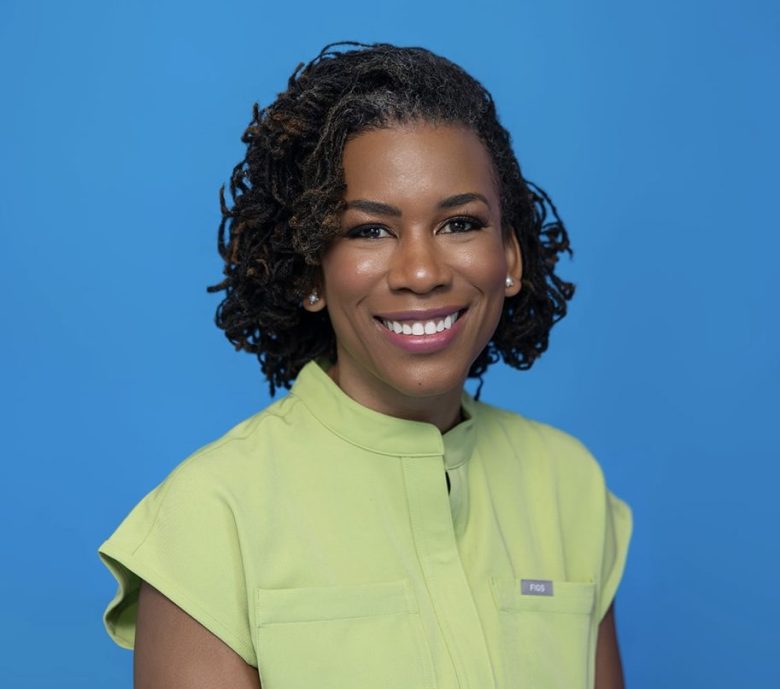
A surge in measles is too important to ignore. Measles, a highly contagious virus, is not new, but a current increase is driven by gaps in community immunity, particularly in areas with lower vaccination coverage, according to Dr. Nekaiya Jacobs Pratt.
“Because measles spreads extremely easily, even a single introduction into a community with limited protection can quickly lead to an outbreak, especially while the virus continues to circulate globally,” she stated.
Measles Symptoms
Measles typically begins with a high fever, cough, runny nose, and red, watery eyes, followed a few days later by a distinct rash that starts on the face or hairline and spreads downward over the body. Additionally, measles can be mild, but it is unpredictable and potentially severe, especially in young children and other high-risk groups.
CDC Statistics
“Among unvaccinated people in the U.S. who contract measles, the CDC estimates that about one in five require hospitalization, up to one in 20 children develop pneumonia, and about one in 1,000 develop encephalitis, which can lead to permanent disability. One to two children per 1,000 cases may die from measles,” Dr. Jacobs Pratt added.
Who is at risk most?
Keep in mind that people without immunity are at the highest risk, such as infants under 12 months who are too young to be fully vaccinated; unvaccinated children; pregnant individuals; and people who are immunocompromised, all of whom can face a higher risk of severe illness and complications.
A Snapshot of Outbreak Statistics
The CDC points to statistics indicating that measles outbreaks are worsening nationally https://www.cdc.gov/measles/data-research/index.html. Dr. Jacobs Pratt noted that there were 2,144 confirmed U.S. cases and 49 outbreaks in 2025, compared with 285 cases and 16 outbreaks in 2024. She further stated that it remains important for communities and families to stay informed at the local level as conditions can change. For example, the Maryland Department of Health issued notification of a confirmed case of measles in a person who traveled through Maryland while infectious late January 7, 2026, through early January 8, 2026 in the Washington, DC and BWI areas
Additionally, the danger of measles should not be underestimated. Dr. Jacobs Pratt pointed out that measles can be mild, but it is unpredictable and potentially severe, especially in young children and other high-risk groups. Among unvaccinated people in the U.S. who contract measles, the CDC estimates that about one in five require hospitalization, up to one in 20 children develop pneumonia, and about one in 1,000 develop encephalitis, which can lead to permanent disability. One to two children per 1,000 cases may die from measles.
“Measles is among the most contagious infections known, spreading from four days before to four days after the rash appears, and the CDC estimates that up to 90% of close contacts who are not immune can become infected,” said Dr. Jacobs Pratt.
The Effectiveness of Vaccines
However, vaccines are highly effective at preventing measles, especially when most people in a community are protected.
“Two doses of the MMR vaccine prevent about 97% of measles infections, while one dose prevents about 93%. When vaccination rates stay high, measles has difficulty spreading; when they fall below about 95%, outbreaks can occur more easily, even among people who are not themselves unvaccinated,” Dr. Jacobs Pratt explained.
She further noted that before the measles vaccine was introduced, an estimated 48,000 people were hospitalized and 400 to 500 people died from measles each year in the United States, underscoring how dangerous the disease can be without widespread vaccination.
What can parents do to protect their children from measles?
Parents can help protect their children from measles by keeping vaccinations up to date, including the routine two-dose MMR series, and confirming records with their pediatrician.
“Infants traveling internationally may be eligible for an early MMR dose between 6 and 11 months of age. If a child is exposed to measles, parents should contact their healthcare provider or local health department immediately. If symptoms develop, families should call ahead before seeking care and keep children home to prevent spread,” Dr. Jacobs Pratt added.
During outbreaks, it’s also important to avoid high-exposure settings for unvaccinated children and discuss whether an earlier second dose is appropriate.
“Families can stay informed by following reputable public health resources such as CDC.gov, their local health departments, and guidance from their child’s pediatrician,” Dr. Jacobs Pratt stated.
Learn more about measles by visiting https://www.cdc.gov/measles/index.html.
- Andrea Blackstone
- Andrea Blackstone
- Andrea Blackstone
- Andrea Blackstone
- Andrea Blackstone
- Andrea Blackstone
- Andrea Blackstone
- Andrea Blackstone
- Andrea Blackstone
- Andrea Blackstone
- Andrea Blackstone
- Andrea Blackstone
- Andrea Blackstone
- Andrea Blackstone
- Andrea Blackstone
- Andrea Blackstone
- Andrea Blackstone
- Andrea Blackstone
- Andrea Blackstone
- Andrea Blackstone
- Andrea Blackstone
- Andrea Blackstone
- Andrea Blackstone
- Andrea Blackstone
- Andrea Blackstone
- Andrea Blackstone
- Andrea Blackstone
- Andrea Blackstone
- Andrea Blackstone
- Andrea Blackstone
- Andrea Blackstone
- Andrea Blackstone
- Andrea Blackstone
- Andrea Blackstone
- Andrea Blackstone
- Andrea Blackstone
- Andrea Blackstone
- Andrea Blackstone
- Andrea Blackstone
- Andrea Blackstone
- Andrea Blackstone
- Andrea Blackstone
- Andrea Blackstone
- Andrea Blackstone
- Andrea Blackstone
- Andrea Blackstone
- Andrea Blackstone
- Andrea Blackstone
- Andrea Blackstone
- Andrea Blackstone
- Andrea Blackstone
- Andrea Blackstone
- Andrea Blackstone
- Andrea Blackstone
- Andrea Blackstone
- Andrea Blackstone
- Andrea Blackstone
- Andrea Blackstone
- Andrea Blackstone
- Andrea Blackstone
- Andrea Blackstone
- Andrea Blackstone
- Andrea Blackstone
- Andrea Blackstone
- Andrea Blackstone
- Andrea Blackstone
- Andrea Blackstone
- Andrea Blackstone
- Andrea Blackstone
- Andrea Blackstone
- Andrea Blackstone
- Andrea Blackstone
- Andrea Blackstone
- Andrea Blackstone
- Andrea Blackstone
- Andrea Blackstone
- Andrea Blackstone
- Andrea Blackstone
- Andrea Blackstone
- Andrea Blackstone
- Andrea Blackstone
- Andrea Blackstone
- Andrea Blackstone
- Andrea Blackstone
- Andrea Blackstone
- Andrea Blackstone
- Andrea Blackstone
- Andrea Blackstone
- Andrea Blackstone
- Andrea Blackstone
- Andrea Blackstone
- Andrea Blackstone
- Andrea Blackstone
- Andrea Blackstone
- Andrea Blackstone
- Andrea Blackstone
- Andrea Blackstone
- Andrea Blackstone
- Andrea Blackstone
- Andrea Blackstone
- Andrea Blackstone
- Andrea Blackstone
- Andrea Blackstone
- Andrea Blackstone
- Andrea Blackstone
- Andrea Blackstone
- Andrea Blackstone
- Andrea Blackstone
- Andrea Blackstone
- Andrea Blackstone
- Andrea Blackstone
- Andrea Blackstone
- Andrea Blackstone
- Andrea Blackstone
- Andrea Blackstone
- Andrea Blackstone
- Andrea Blackstone
- Andrea Blackstone
- Andrea Blackstone
- Andrea Blackstone
- Andrea Blackstone
- Andrea Blackstone
- Andrea Blackstone
- Andrea Blackstone
- Andrea Blackstone
- Andrea Blackstone
- Andrea Blackstone
- Andrea Blackstone
- Andrea Blackstone
- Andrea Blackstone
- Andrea Blackstone
- Andrea Blackstone
- Andrea Blackstone
- Andrea Blackstone
- Andrea Blackstone
- Andrea Blackstone
- Andrea Blackstone
- Andrea Blackstone
- Andrea Blackstone
- Andrea Blackstone
- Andrea Blackstone
- Andrea Blackstone
- Andrea Blackstone
- Andrea Blackstone
- Andrea Blackstone
- Andrea Blackstone
- Andrea Blackstone
- Andrea Blackstone
- Andrea Blackstone
- Andrea Blackstone
- Andrea Blackstone
- Andrea Blackstone
- Andrea Blackstone
- Andrea Blackstone
- Andrea Blackstone
- Andrea Blackstone
- Andrea Blackstone
- Andrea Blackstone
- Andrea Blackstone
- Andrea Blackstone
- Andrea Blackstone
- Andrea Blackstone
- Andrea Blackstone
- Andrea Blackstone
- Andrea Blackstone
- Andrea Blackstone
- Andrea Blackstone
- Andrea Blackstone
- Andrea Blackstone
- Andrea Blackstone
- Andrea Blackstone
- Andrea Blackstone
- Andrea Blackstone
- Andrea Blackstone
- Andrea Blackstone
- Andrea Blackstone
- Andrea Blackstone
- Andrea Blackstone
- Andrea Blackstone
- Andrea Blackstone
- Andrea Blackstone
- Andrea Blackstone
- Andrea Blackstone
- Andrea Blackstone
- Andrea Blackstone
- Andrea Blackstone
- Andrea Blackstone
- Andrea Blackstone
- Andrea Blackstone
- Andrea Blackstone
- Andrea Blackstone
- Andrea Blackstone
- Andrea Blackstone
- Andrea Blackstone
- Andrea Blackstone
- Andrea Blackstone
- Andrea Blackstone
- Andrea Blackstone
- Andrea Blackstone
- Andrea Blackstone
- Andrea Blackstone
- Andrea Blackstone
- Andrea Blackstone
- Andrea Blackstone
- Andrea Blackstone
- Andrea Blackstone
- Andrea Blackstone
- Andrea Blackstone
- Andrea Blackstone
- Andrea Blackstone
- Andrea Blackstone
- Andrea Blackstone
- Andrea Blackstone
- Andrea Blackstone
- Andrea Blackstone
- Andrea Blackstone
- Andrea Blackstone
- Andrea Blackstone
- Andrea Blackstone
- Andrea Blackstone
- Andrea Blackstone
- Andrea Blackstone
- Andrea Blackstone
- Andrea Blackstone
- Andrea Blackstone
- Andrea Blackstone
- Andrea Blackstone
- Andrea Blackstone
- Andrea Blackstone
- Andrea Blackstone
- Andrea Blackstone
- Andrea Blackstone
- Andrea Blackstone
- Andrea Blackstone
- Andrea Blackstone
- Andrea Blackstone
- Andrea Blackstone
- Andrea Blackstone
- Andrea Blackstone
- Andrea Blackstone
- Andrea Blackstone
- Andrea Blackstone
- Andrea Blackstone
- Andrea Blackstone
- Andrea Blackstone
- Andrea Blackstone
- Andrea Blackstone
- Andrea Blackstone
- Andrea Blackstone
- Andrea Blackstone
- Andrea Blackstone
- Andrea Blackstone
- Andrea Blackstone
- Andrea Blackstone
- Andrea Blackstone
- Andrea Blackstone
- Andrea Blackstone
- Andrea Blackstone
- Andrea Blackstone
- Andrea Blackstone
- Andrea Blackstone
- Andrea Blackstone
- Andrea Blackstone
- Andrea Blackstone
- Andrea Blackstone
- Andrea Blackstone
- Andrea Blackstone
- Andrea Blackstone
- Andrea Blackstone
- Andrea Blackstone
- Andrea Blackstone
- Andrea Blackstone
- Andrea Blackstone
- Andrea Blackstone
- Andrea Blackstone
- Andrea Blackstone
- Andrea Blackstone
- Andrea Blackstone