
Disclaimer: Any U.S. federal tax advice contained in this article and website is not intended to be written or used and cannot be used or relied upon, to avoid tax-related penalties under the Internal Revenue Code, or to promote, market or recommend to another any tax-related matter addressed herein.
Now that the New Year has come and gone, 2023 taxes are due for individuals on April 15, 2024. If you reside in Maine or Massachusetts, the upcoming date is April 17, 2024. While deadlines are approaching, taxpayers who may want to avoid tax anxiety may not be comfortable taking a “do it themselves” approach to prepare and file their income taxes online. On the other hand, a skilled human can answer questions, resolve stressful tax issues and make efforts to maximize tax returns.
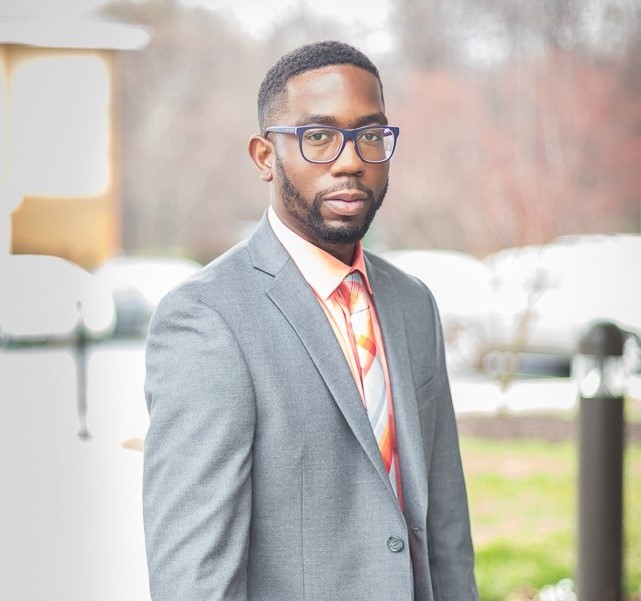
Xavier Epps, CEO and founder of XNE Financial Advising, LLC provides year-round tax preparation and tax analysis. He specializes in tax preparation, bookkeeping and financial plans. Epps, who has been in business for 13 years, typically assists individuals and business owners. XNE Financial Advising, LLC can serve them in all 50 states. Epps provided tax tips to keep in mind.
Q: What are a few advantages of hiring a tax professional?
A: One of the most significant advantages of hiring a tax professional is the amount of money that can be saved. When individuals spend more time looking for inexpensive ways to prepare their taxes, I noticed they pay more for not hiring tax practitioners due to missed deductions and inaccurate filings, which leads to more costly outcomes during an audit. Another advantage is time spent is eliminated for the taxpayer, and stress levels are reduced when hiring a professional. As your situation becomes more complex [because of] children, mortgage, business, real estate investments, and cryptocurrencies, you can rest assured that a true tax practitioner will be up to date with the latest changes in the tax code. The most significant difference between year-round and in-season tax service providers is reachability; year-round is there well after April 15th, whereas most in-season providers close their doors weeks after the April deadline.
Q: Please provide several tax preparation steps that can help to make filing 2023 taxes easier.
Get organized! Grab your recently filed return (2022), write out everything that should reported for tax purposes (employment, side-gigs, investments, etc.), and visit each site now to make sure you have the option to download the actual tax documents. Place these items in a secure folder early (January) so you can easily access them all in one place when you’re ready to file in February, March, or April.
Q: Are there any tax bracket changes in 2023?
A: Each year, the tax brackets are adjusted for inflation. While the top marginal tax rate remains the same at 37 percent for single taxpayers with income exceeding $578,125 ($693,750 for married couples filing jointly), the upcoming tax season shows an approximate increase between 5 and 7 percent across all tax brackets. If your income was precisely the same in 2023 as in 2022, and with everything being equal, you can expect your tax liability to be roughly 6 percent higher in 2023 compared to 2022.
Q: Have any standard deductions increased for individuals or special deductions for business owners in 2023?
A: Like inflation-adjusted marginal tax rates, a similar adjustment happens for standard deductions for individuals; this increase was approximately 6.6 percent across all standard deductions. The standard deduction for married couples filing jointly for 2023 rose to $27,700, an increase of $1,800 from 2022. For single taxpayers and married individuals filing separately, the deduction rises to $13,850, an increase of $900 from 2022, and for heads of households, the deduction will be $20,800, an increase of $1,400 compared to 2022. Business owners who qualify still enjoy the relatively new tax law, QBI (qualified business income) deduction of 20 percent, coupled with the standard mileage rate for business going up to 65.5¢ per mile.
Coming next week: Part II. Find out more about Epps’ services via www.xnefinance.com and www.financeguyx.com. Follow him on social media via https://twitter.com/FinanceGuyX; https://www.instagram.com/FinanceGuyX; or https://www.facebook.com/FinanceGuyX. Epps is also the author of “BUDGET IT YOURSELF: Comprehensive Guide to X-scape to Financial Freedom.” Find the book on Amazon: https://www.amazon.com/BUDGET-YOURSELF-Comprehensive-X-scape-Financial/dp/173697730X.
- Andrea Blackstone
- Andrea Blackstone
- Andrea Blackstone
- Andrea Blackstone
- Andrea Blackstone
- Andrea Blackstone
- Andrea Blackstone
- Andrea Blackstone
- Andrea Blackstone
- Andrea Blackstone
- Andrea Blackstone
- Andrea Blackstone
- Andrea Blackstone
- Andrea Blackstone
- Andrea Blackstone
- Andrea Blackstone
- Andrea Blackstone
- Andrea Blackstone
- Andrea Blackstone
- Andrea Blackstone
- Andrea Blackstone
- Andrea Blackstone
- Andrea Blackstone
- Andrea Blackstone
- Andrea Blackstone
- Andrea Blackstone
- Andrea Blackstone
- Andrea Blackstone
- Andrea Blackstone
- Andrea Blackstone
- Andrea Blackstone
- Andrea Blackstone
- Andrea Blackstone
- Andrea Blackstone
- Andrea Blackstone
- Andrea Blackstone
- Andrea Blackstone
- Andrea Blackstone
- Andrea Blackstone
- Andrea Blackstone
- Andrea Blackstone
- Andrea Blackstone
- Andrea Blackstone
- Andrea Blackstone
- Andrea Blackstone
- Andrea Blackstone
- Andrea Blackstone
- Andrea Blackstone
- Andrea Blackstone
- Andrea Blackstone
- Andrea Blackstone
- Andrea Blackstone
- Andrea Blackstone
- Andrea Blackstone
- Andrea Blackstone
- Andrea Blackstone
- Andrea Blackstone
- Andrea Blackstone
- Andrea Blackstone
- Andrea Blackstone
- Andrea Blackstone
- Andrea Blackstone
- Andrea Blackstone
- Andrea Blackstone
- Andrea Blackstone
- Andrea Blackstone
- Andrea Blackstone
- Andrea Blackstone
- Andrea Blackstone
- Andrea Blackstone
- Andrea Blackstone
- Andrea Blackstone
- Andrea Blackstone
- Andrea Blackstone
- Andrea Blackstone
- Andrea Blackstone
- Andrea Blackstone
- Andrea Blackstone
- Andrea Blackstone
- Andrea Blackstone
- Andrea Blackstone
- Andrea Blackstone
- Andrea Blackstone
- Andrea Blackstone
- Andrea Blackstone
- Andrea Blackstone
- Andrea Blackstone
- Andrea Blackstone
- Andrea Blackstone
- Andrea Blackstone
- Andrea Blackstone
- Andrea Blackstone
- Andrea Blackstone
- Andrea Blackstone
- Andrea Blackstone
- Andrea Blackstone
- Andrea Blackstone
- Andrea Blackstone
- Andrea Blackstone
- Andrea Blackstone
- Andrea Blackstone
- Andrea Blackstone
- Andrea Blackstone
- Andrea Blackstone
- Andrea Blackstone
- Andrea Blackstone
- Andrea Blackstone
- Andrea Blackstone
- Andrea Blackstone
- Andrea Blackstone
- Andrea Blackstone
- Andrea Blackstone
- Andrea Blackstone
- Andrea Blackstone
- Andrea Blackstone
- Andrea Blackstone
- Andrea Blackstone
- Andrea Blackstone
- Andrea Blackstone
- Andrea Blackstone
- Andrea Blackstone
- Andrea Blackstone
- Andrea Blackstone
- Andrea Blackstone
- Andrea Blackstone
- Andrea Blackstone
- Andrea Blackstone
- Andrea Blackstone
- Andrea Blackstone
- Andrea Blackstone
- Andrea Blackstone
- Andrea Blackstone
- Andrea Blackstone
- Andrea Blackstone
- Andrea Blackstone
- Andrea Blackstone
- Andrea Blackstone
- Andrea Blackstone
- Andrea Blackstone
- Andrea Blackstone
- Andrea Blackstone
- Andrea Blackstone
- Andrea Blackstone
- Andrea Blackstone
- Andrea Blackstone
- Andrea Blackstone
- Andrea Blackstone
- Andrea Blackstone
- Andrea Blackstone
- Andrea Blackstone
- Andrea Blackstone
- Andrea Blackstone
- Andrea Blackstone
- Andrea Blackstone
- Andrea Blackstone
- Andrea Blackstone
- Andrea Blackstone
- Andrea Blackstone
- Andrea Blackstone
- Andrea Blackstone
- Andrea Blackstone
- Andrea Blackstone
- Andrea Blackstone
- Andrea Blackstone
- Andrea Blackstone
- Andrea Blackstone
- Andrea Blackstone
- Andrea Blackstone
- Andrea Blackstone
- Andrea Blackstone
- Andrea Blackstone
- Andrea Blackstone
- Andrea Blackstone
- Andrea Blackstone
- Andrea Blackstone
- Andrea Blackstone
- Andrea Blackstone
- Andrea Blackstone
- Andrea Blackstone
- Andrea Blackstone
- Andrea Blackstone
- Andrea Blackstone
- Andrea Blackstone
- Andrea Blackstone
- Andrea Blackstone
- Andrea Blackstone
- Andrea Blackstone
- Andrea Blackstone
- Andrea Blackstone
- Andrea Blackstone
- Andrea Blackstone
- Andrea Blackstone
- Andrea Blackstone
- Andrea Blackstone
- Andrea Blackstone
- Andrea Blackstone
- Andrea Blackstone
- Andrea Blackstone
- Andrea Blackstone
- Andrea Blackstone
- Andrea Blackstone
- Andrea Blackstone
- Andrea Blackstone
- Andrea Blackstone
- Andrea Blackstone
- Andrea Blackstone
- Andrea Blackstone
- Andrea Blackstone
- Andrea Blackstone
- Andrea Blackstone
- Andrea Blackstone
- Andrea Blackstone
- Andrea Blackstone
- Andrea Blackstone
- Andrea Blackstone
- Andrea Blackstone
- Andrea Blackstone
- Andrea Blackstone
- Andrea Blackstone
- Andrea Blackstone
- Andrea Blackstone
- Andrea Blackstone
- Andrea Blackstone
- Andrea Blackstone
- Andrea Blackstone
- Andrea Blackstone
- Andrea Blackstone
- Andrea Blackstone
- Andrea Blackstone
- Andrea Blackstone
- Andrea Blackstone
- Andrea Blackstone
- Andrea Blackstone
- Andrea Blackstone
- Andrea Blackstone
- Andrea Blackstone
- Andrea Blackstone
- Andrea Blackstone
- Andrea Blackstone
- Andrea Blackstone
- Andrea Blackstone
- Andrea Blackstone
- Andrea Blackstone
- Andrea Blackstone
- Andrea Blackstone
- Andrea Blackstone
- Andrea Blackstone
- Andrea Blackstone
- Andrea Blackstone
- Andrea Blackstone
- Andrea Blackstone
- Andrea Blackstone
- Andrea Blackstone
- Andrea Blackstone
- Andrea Blackstone
- Andrea Blackstone
- Andrea Blackstone
- Andrea Blackstone
- Andrea Blackstone
- Andrea Blackstone
- Andrea Blackstone
- Andrea Blackstone
- Andrea Blackstone
- Andrea Blackstone
- Andrea Blackstone
- Andrea Blackstone
- Andrea Blackstone
- Andrea Blackstone
- Andrea Blackstone
- Andrea Blackstone
- Andrea Blackstone
- Andrea Blackstone
- Andrea Blackstone
- Andrea Blackstone
- Andrea Blackstone
- Andrea Blackstone
- Andrea Blackstone